
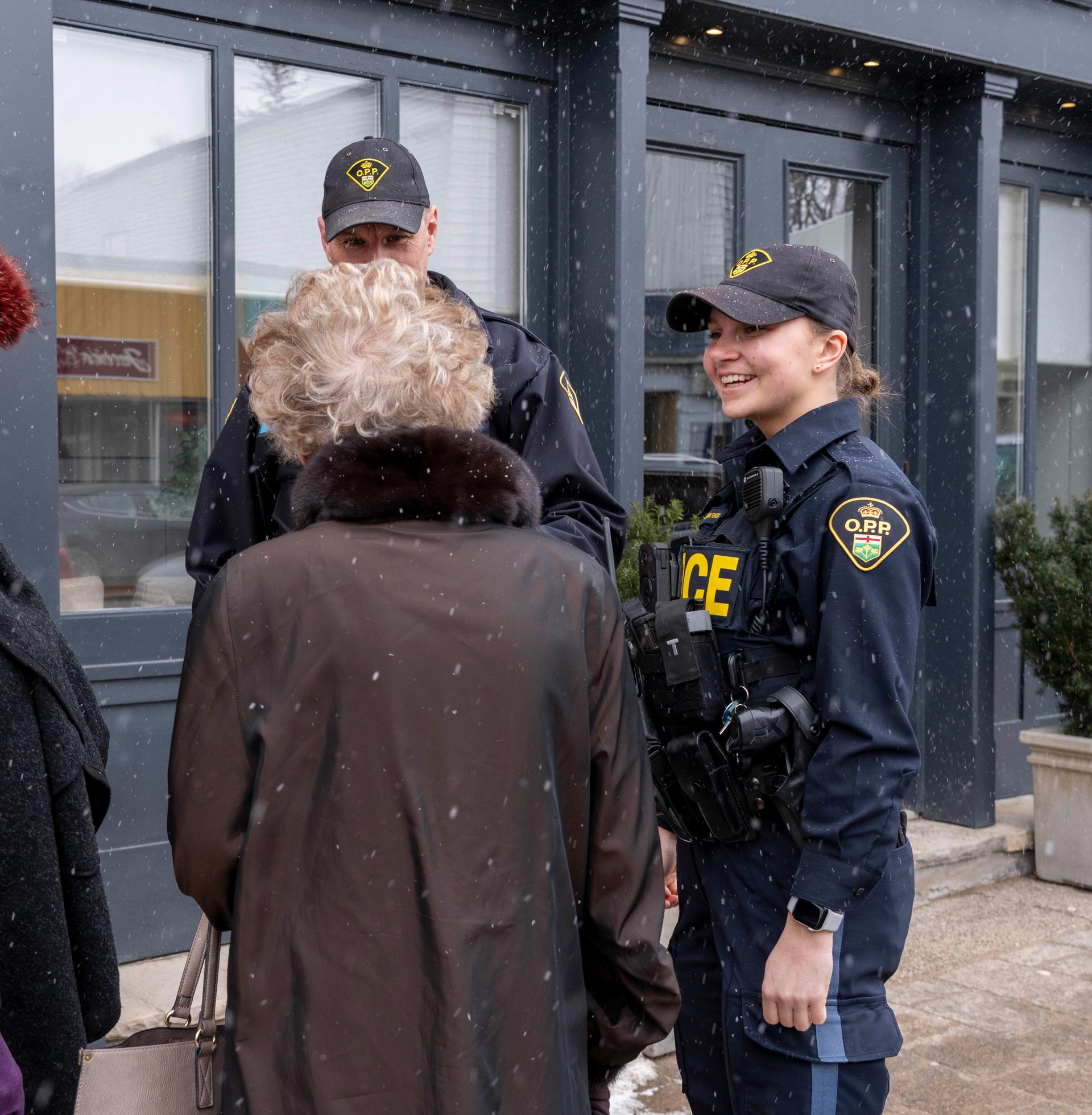
OPP detachments across the province are listening to feedback from community members and working with community-based organizations to create and strengthen community policing initiatives.
Community partnerships are an essential part of creating and maintaining safe communities. For example, OPP detachments regularly work alongside community-based organizations to implement Mobile Crisis Response Teams (MCRTs) to enhance the response to mental-health related calls. In 2025, MCRTs continued to be established across the province. This included an MCRT established by East Algoma OPP Detachment in partnership with Huron Shores Family Health Team and the Town of Blind River, delivering MCRT services to communities along the north shore of Lake Huron, from the Town of Spanish to the Township of Tarbutt. To learn more about MCRTs and other community partnerships related to community member mental health, visit Ontario Provincial Police - Mental Health
Community members having access to the information and resources required to support their full participation in their communities is essential to overall community safety and well-being. In 2025, North West Region was proud to announce the launch of The Pardon Project, a collaboration with Nishnawbe-Aski Legal Services, the Parole Board of Canada, and Ontario Court Services – Northwest Region. The Pardon Project provides informed, accessible assistance to individuals, particularly those living in remote and northern communities, who are seeking to navigate the record suspension process through the Parole Board of Canada. The initiative aims to have a lasting impact by removing barriers to employment, education, and community reintegration for those with eligible criminal records. The Pardon Project was officially launched in Weagamow (North Caribou Lake) First Nation in June 2025. The OPP and the Pardon Project Team also travelled to Kitchenuhmaykoosib Inninuwug (KI or Big Trout Lake) First Nation in November 2025, and have an event planned in Pickle Lake for 2026. The OPP, Nishnawbe-Aski Legal Services, the Parole Board of Canada and Ontario Court Services – Northwest Region will continue to expand the program.
Community patrol, or focused patrol, is an enforcement initiative that detachments can implement to respond to community concerns or in response to trends in local data. Focused patrols aim to reduce crime and victimization, maximize resource deployment, and enhance community safety.
For example, Kenora OPP Detachment worked with the Kenora OPP Detachment Board and other local partners and service providers, to determine ways to enhance safety and meet the municipal Community Safety and Well-Being Plan through proactive patrols in the downtown core. Based on concerns raised related to social disorder in the area, regular patrols were scheduled for the downtown core to proactively address issues and to interact with members of the public. Statistical reporting is showing a downward trend in the rates of theft, shoplifting, and general mischief in the area.

In 2025, 47 cyclists riding studded fat tire bicycles successfully finished the Ice Road Challenge. The Ice Road Challenge is a 120km journey along frozen roads and lakes from Red Lake to Pikangikum First Nation. This annual initiative raises awareness and funds for cycling initiatives in Indigenous communities, including the Ride Smart Cycling Education Program in Pikangikum and other communities across the province.
West Region OPP members, alongside Brantford Police Service and Six Nations Police Services, supported the Special Olympics Ontario Summer Games.
On October 25, 2025, the OPP held its annual Guardians Run in support of Special Olympics athletes. This year more than 200 runners participated, resulting in more than $35,000 dollars raised for Special Olympics Ontario. The Guardians Run is part of the annual Law Enforcement Torch Run which supports athletes from across Ontario in accessing training, equipment, and inclusive sport opportunities.
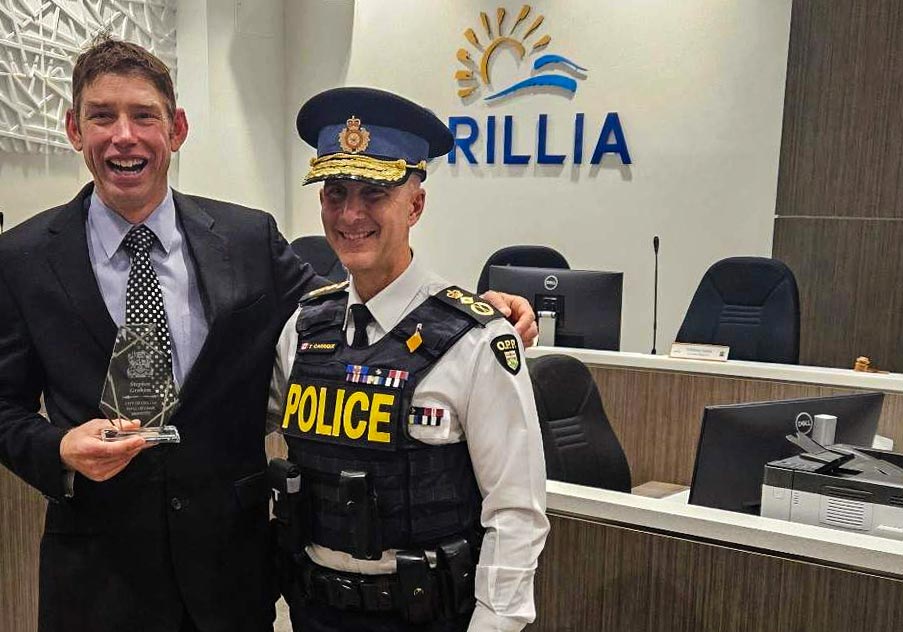
OPP Commissioner Thomas Carrique was also honoured to attend the Orillia Hall of Fame ceremony celebrating local Special Olympics champion Stephen Graham.
“I am honoured to attend the Orillia Hall of Fame ceremony and celebrate my friend, Stephen Graham, a true champion in sport and community. With more than 25 Provincial Games, 10 Nationals, three World Winter Games and seven international medals, this local Special Olympics athlete has made his mark on the world stage. From torchbearer to award-winner, Stephen's impact continues to resonate far beyond the playing field. Thank you to the City of Orillia for this meaningful celebration. Congratulations to all inductees!”
– Commissioner Carrique
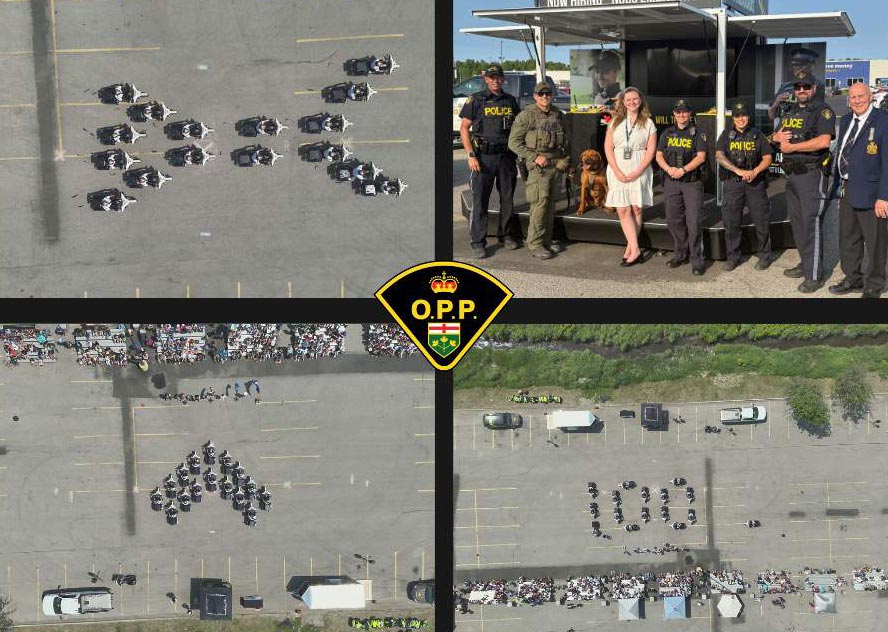
The OPP Golden Helmets Precision Motorcycle Team tours the province giving exhibitions of riding skills at fairs, festivals and parades.
The 20-member team of frontline OPP officers consists of the ride master, commentator, the motorcycle technician, and 17 riders. Each team member must have successfully completed the Police Motorcycle Operator basic course and at least one season on motorcycle patrol.
During each 30-minute performance the riders take their motorcycles through a series of complex patterns, which are intended to demonstrate the maneuverability of the motorcycle and the riders' skills.
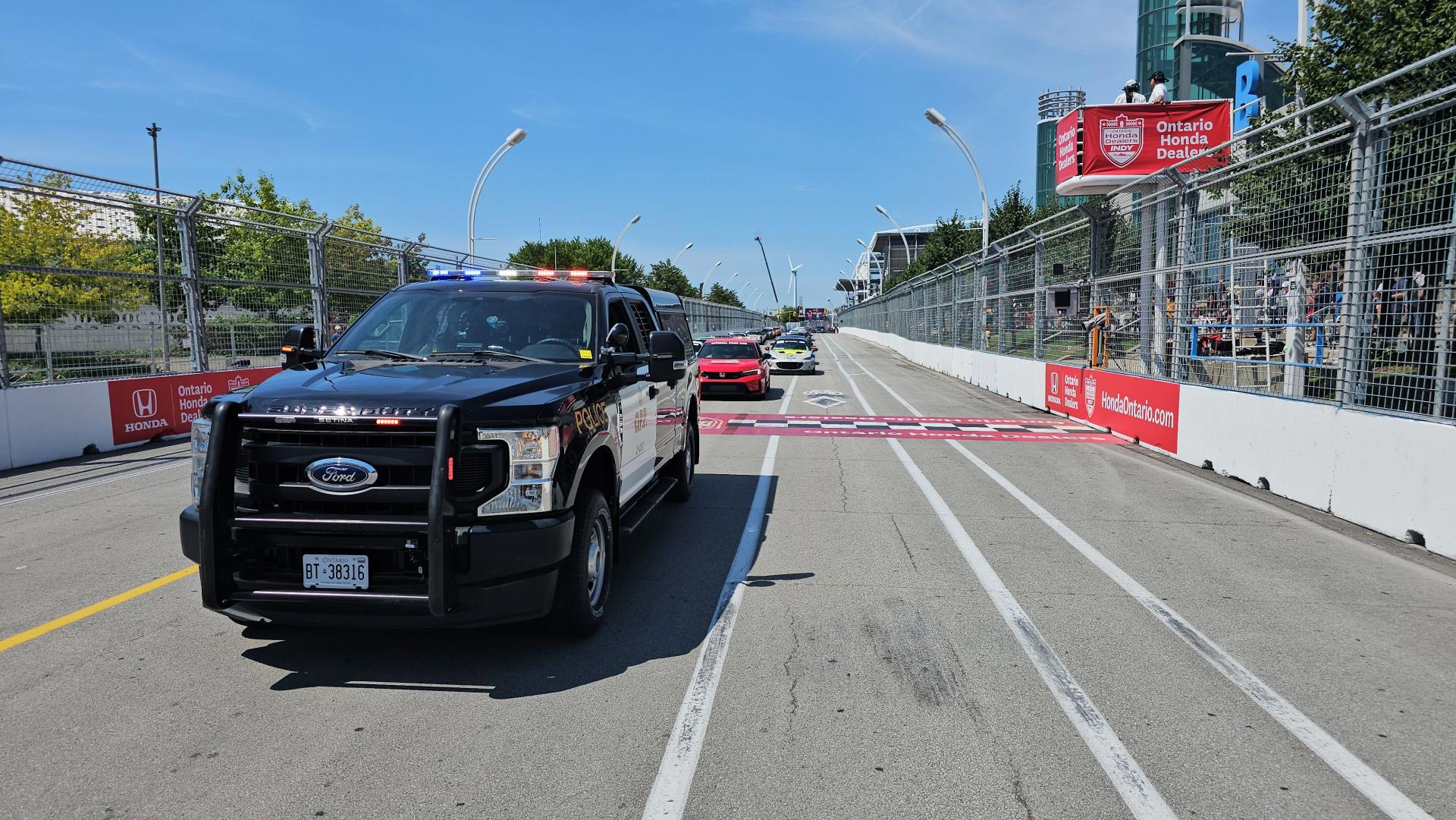
The 2025 Honda Indy weekend in Toronto provided an opportunity for OPP members to connect with thousands of people, including potential new recruits. The event was staffed by OPP officers, special constables, cadets, civilian members, and auxiliary members from across the province. Fleet, Supply and Weapons Services Bureau provided the vehicles to be showcased.
Members engaged with the public, spoke with visitors, showcased our equipment, took photos, and represented the OPP with enthusiasm and professionalism.
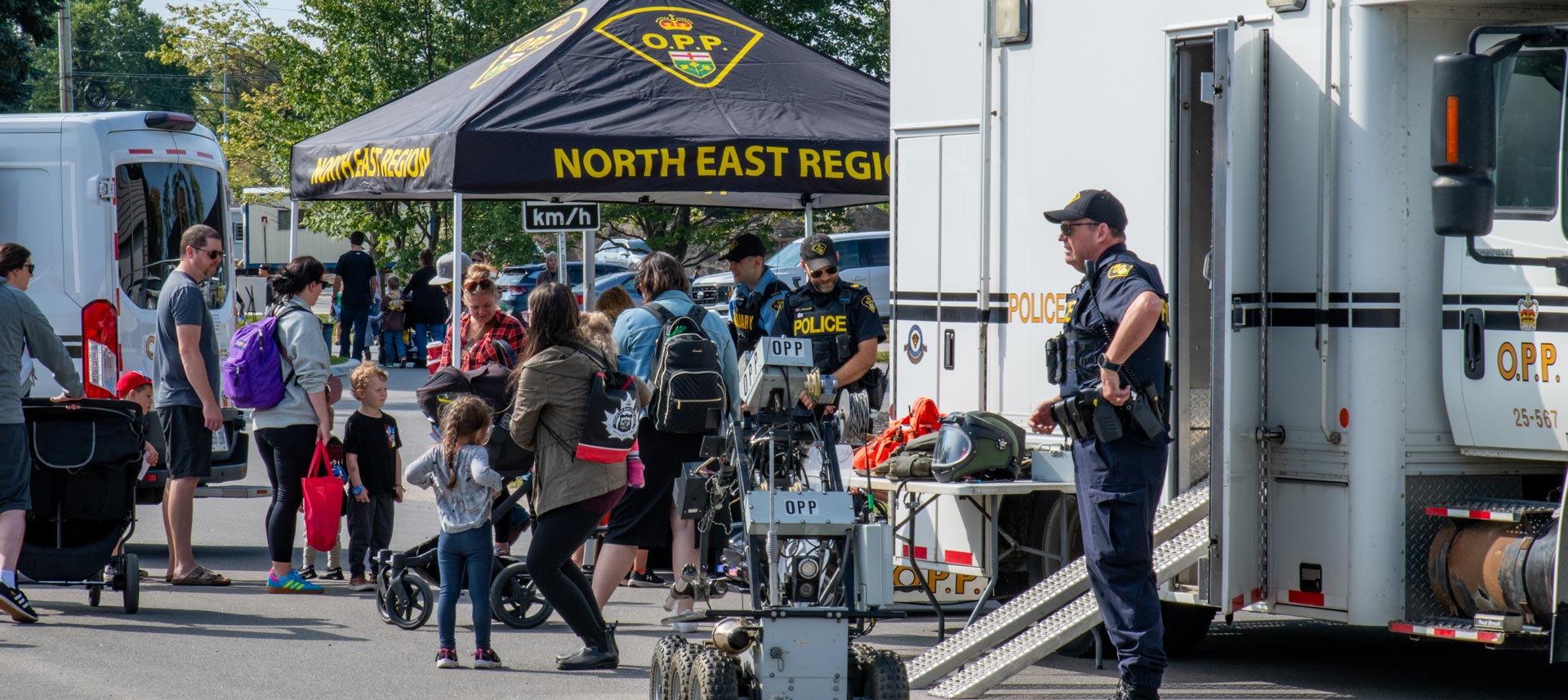
Community-based partnerships led to OPP participation in more than 8,800 engagements across the province. This included:

1,701
PRESENTATIONS TO COMMUNITY MEMBERS

2,079
COMMUNITY MEETINGS

2,131
COMMUNITY EVENTS

1,091
SCHOOL VISITS
COFFEE WITH A COP
RIDE SMART
BIKE RODEO
OPP KIDS
SAFE SCHOOLS
PERSONAL SAFETY
Data source: Community Mobilization Information Tracker (CMIT) report, January 28, 2026.
The Provincial OPP Community Satisfaction Survey (CSS) is a general population survey conducted with households across Ontario. The research company R.A. Malatest & Associates Ltd. conducted this mixed method survey between January 7, 2025, and February 18, 2025. Survey respondents were at least 16 years old at the time of the interview. Respondents employed by the OPP or living in households where any member was employed by the OPP were excluded from the survey. A combination of randomly sampled directory-listed telephone numbers, random digit-dialed numbers, and survey panels within Ontario were used to gather a total of 1,442 completed surveys.
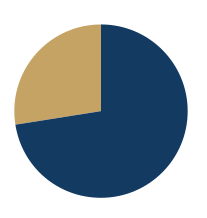
of respondents were overall ‘satisfied’ or ‘very satisfied’ with the quality of police service provided by the OPP.
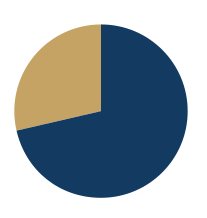
of respondents who were personally approached or made contact with the OPP for any reason were ‘satisfied’ or ‘very satisfied’ with the way the OPP treated them the last time this happened.
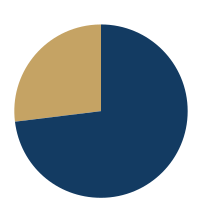
of all respondents surveyed felt the OPP is doing a ‘good’ or ‘excellent’ job in the community overall.
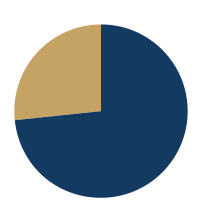
of respondents said they ‘agree’ or ‘strongly agree’ that the OPP make decisions based on facts.
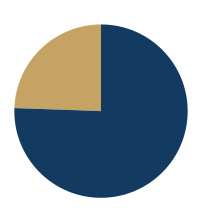
of respondents said they ‘agree’ or ‘strongly agree’ that the OPP treat people with respect.
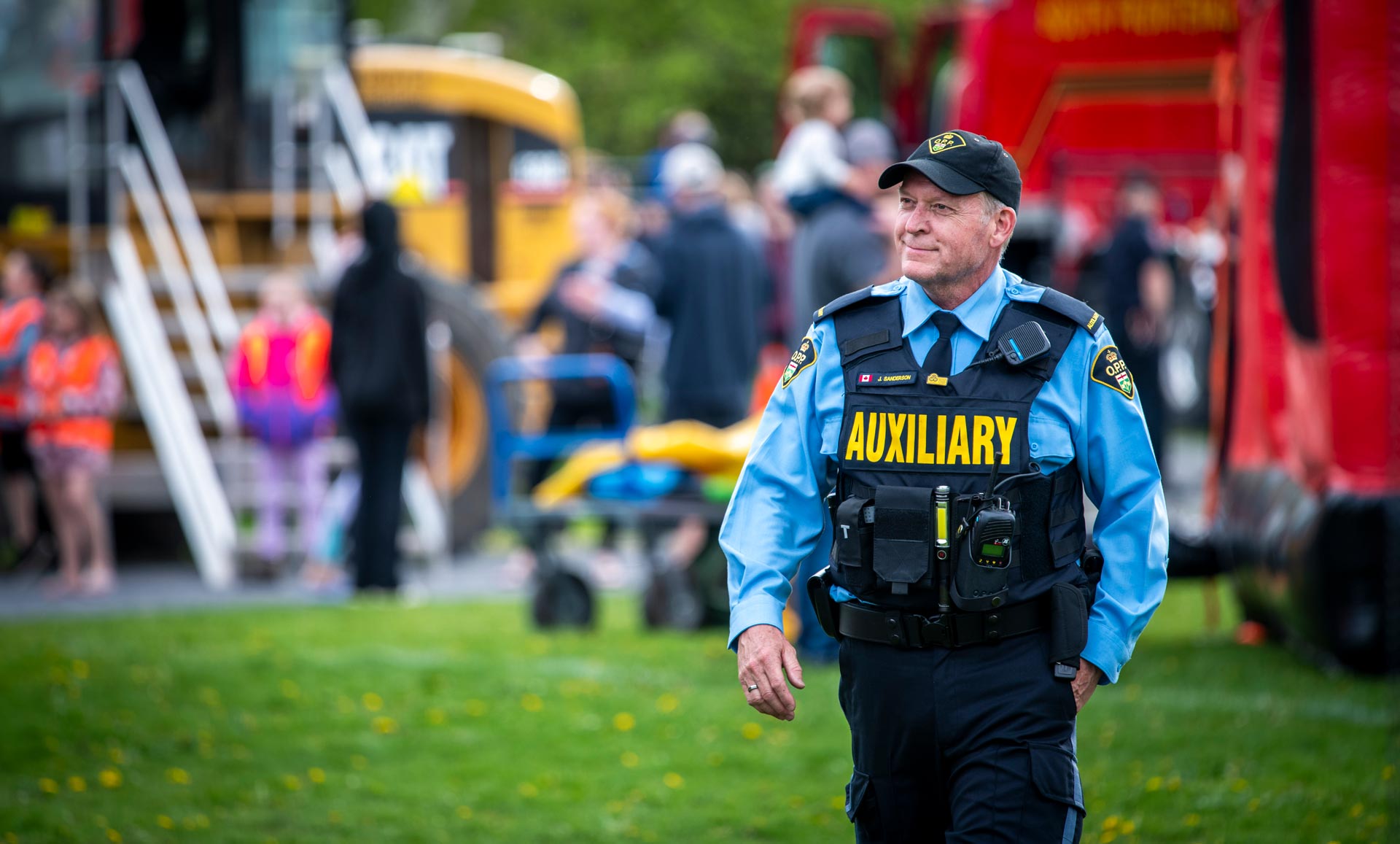
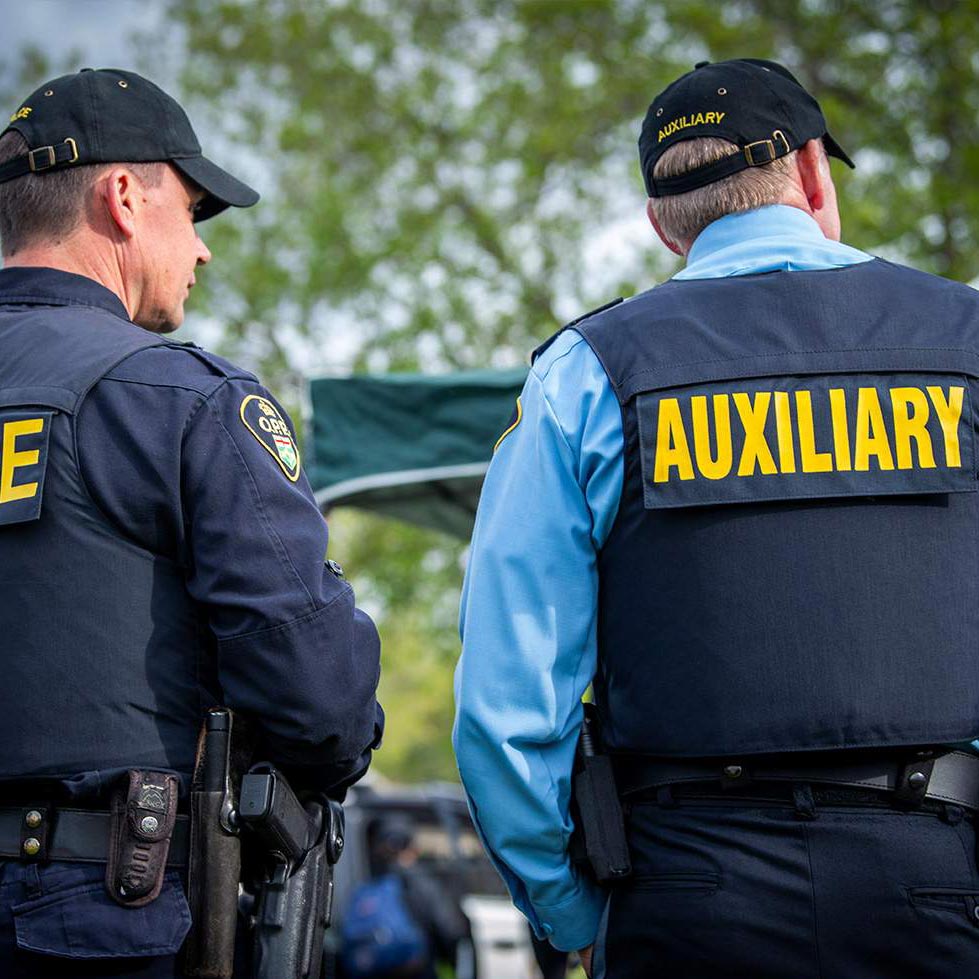
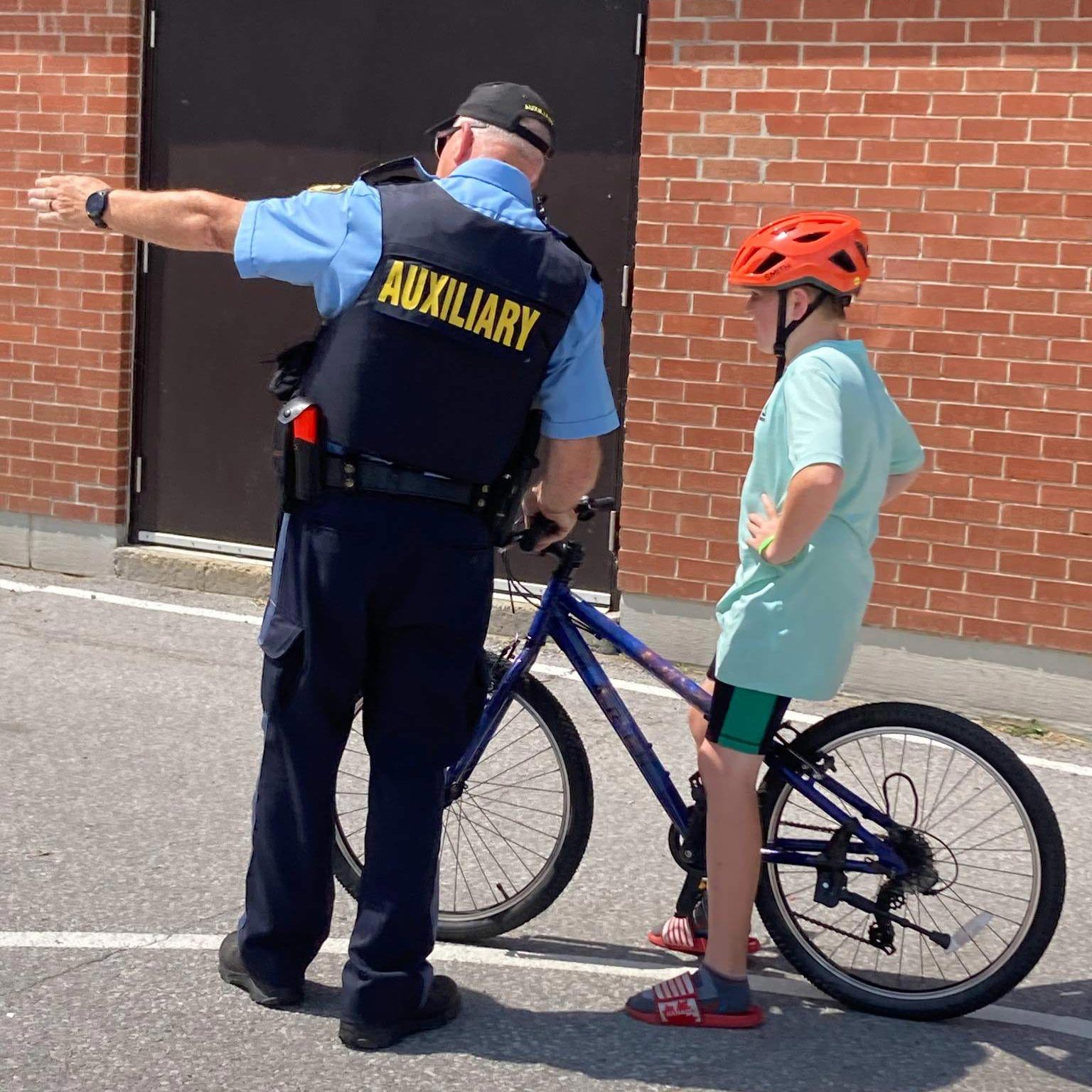
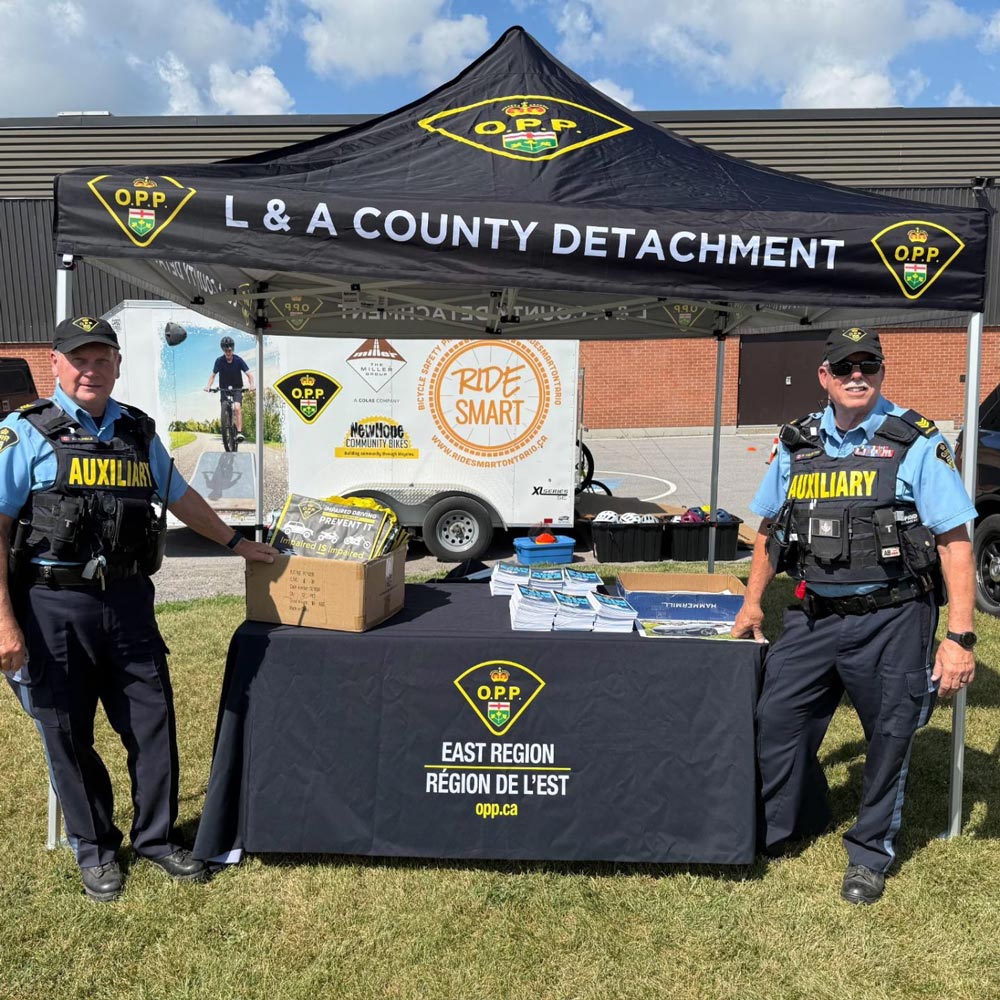
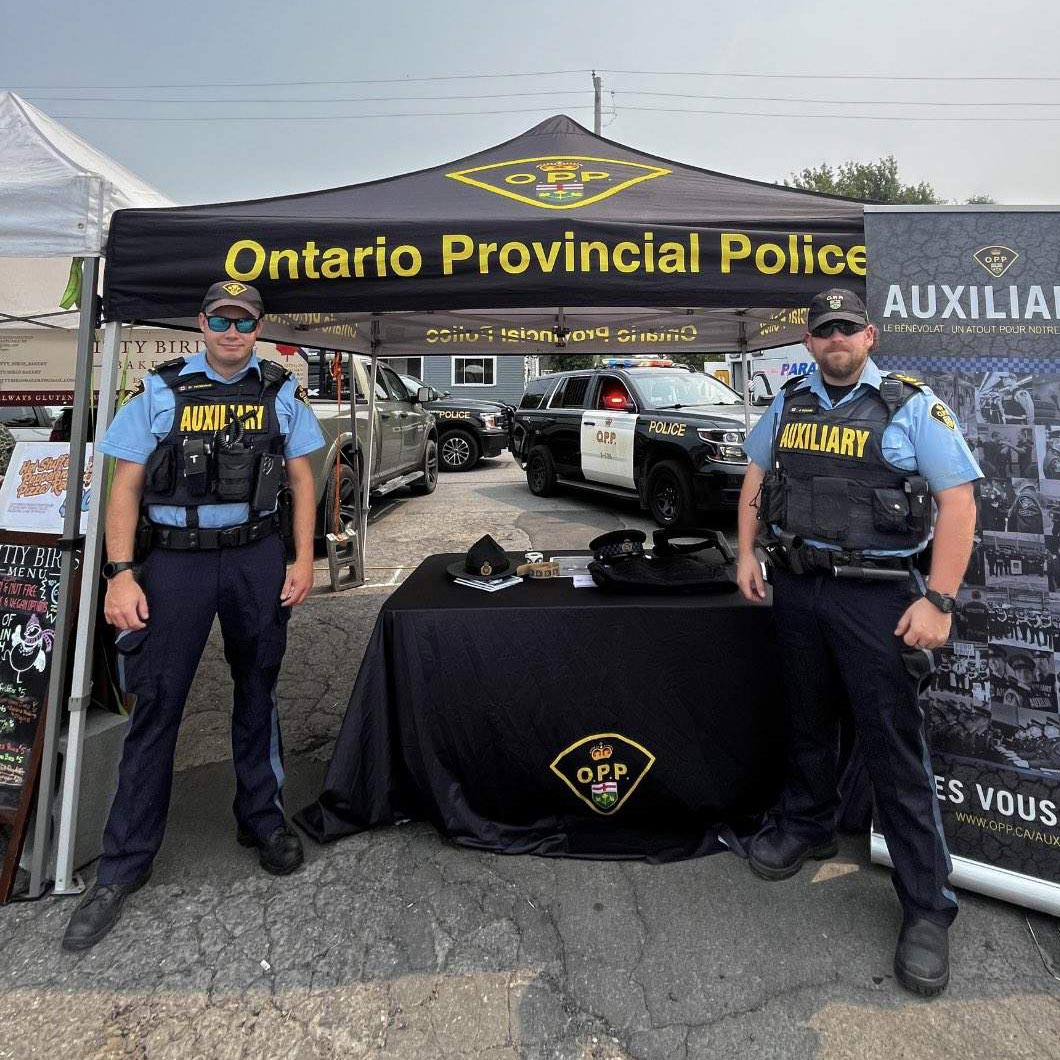
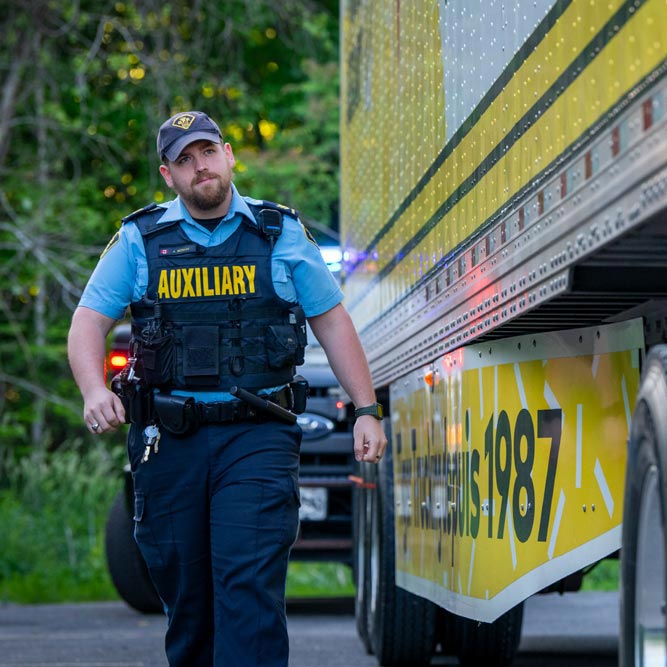
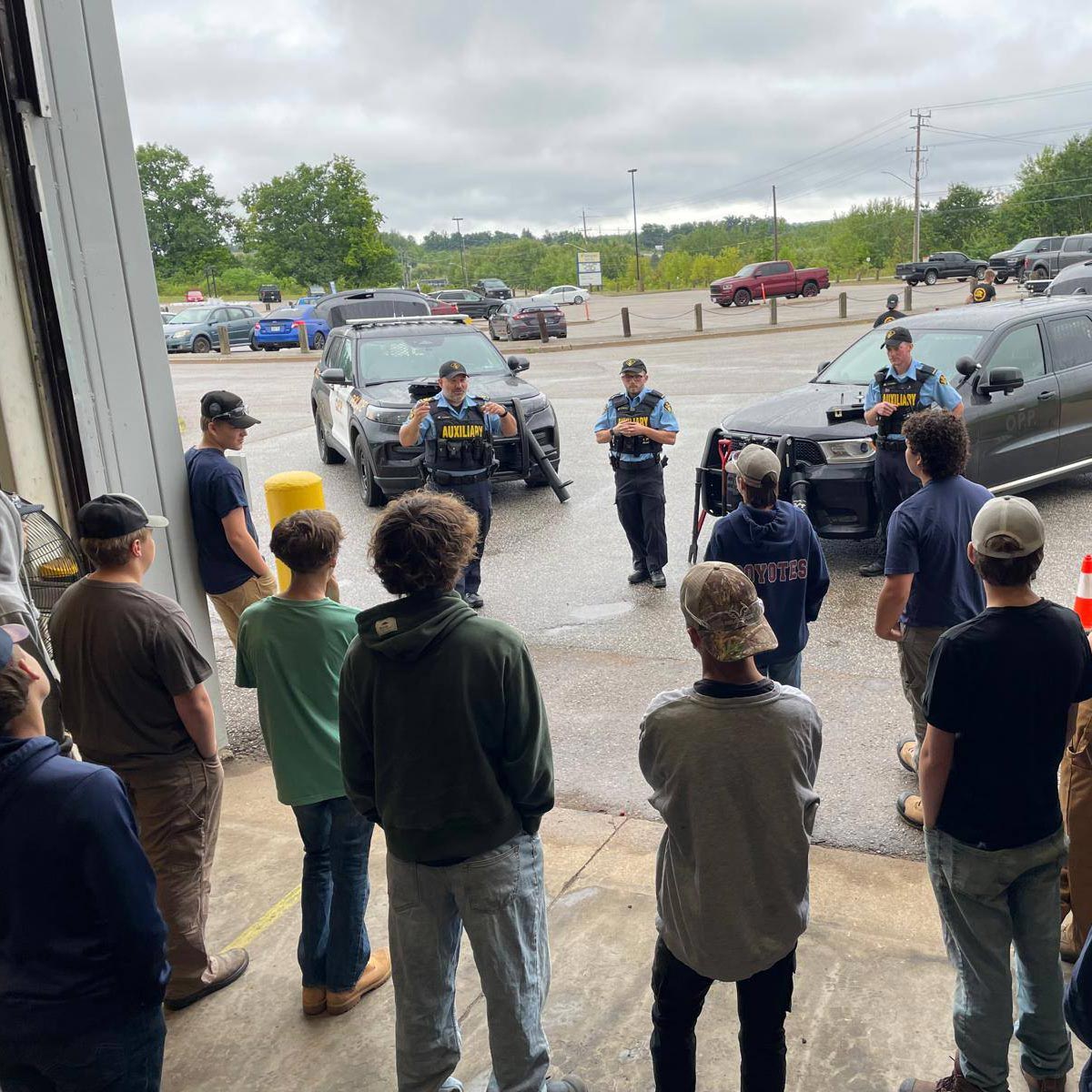
The OPP Auxiliary is a group of dedicated volunteers who work with OPP officers to ensure safety and well-being for the Province of Ontario.
Their duties may include patrols with officers, supporting community events and initiatives, victim assistance, and ceremonial functions.
In addition to being a fulfilling way to give back to your community, the Auxiliary program is a valuable learning experience for people who may be considering a career in law enforcement.
2025 marked 65 years of the OPP Auxiliary Program.
The OPP Auxiliary Program welcomed 128 new members in 2025. These new members represented detachments across all five Regions and Highway Safety Division.
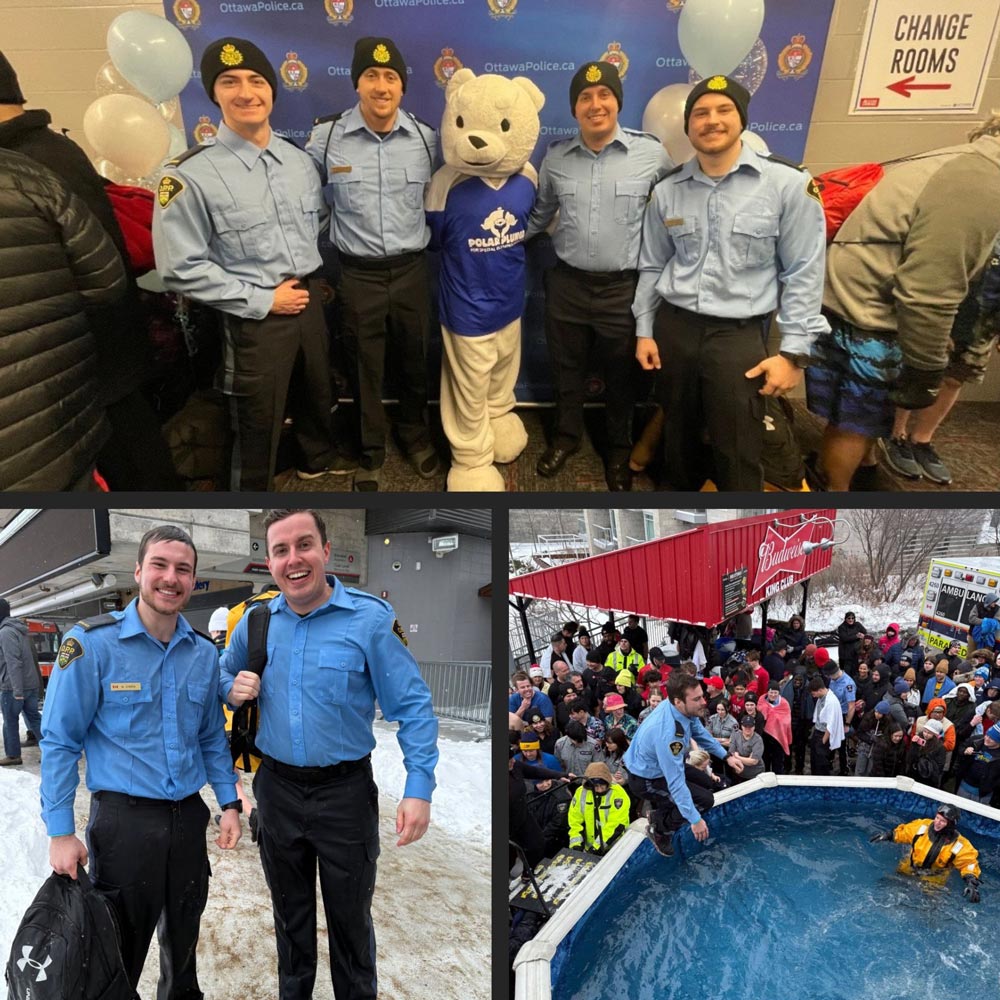
In 2025, the more than 500 members of the OPP Auxiliary Program supported school visits, food and toy drives, safety presentations, event security, recruitment initiatives, training exercises, police memorials, as well as many other policing and community activities. OPP Auxiliary members across the province reached milestones of 20, 25, and 30+ years of service. Auxiliary Staff Sergeant Garry Bartlett and Auxiliary Sergeant Silke Beavan were each presented with the King Charles III, Coronation Medal for their significant contributions to Canada. More information about the OPP Auxiliary and how to apply can be found here Ontario Provincial Police - Auxiliary Policing Program.
OPP Auxiliary members completed 40,227 patrol hours in 2025.
OPP Auxiliary members conducted 31,460 hours of community engagement in 2024.
OPP Auxiliary members contributed 4,149 hours to major event support.
In 2025, the total number of hours volunteered by OPP Auxiliary members increased by more than 21% over 2024
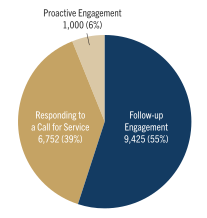
Based on data collected using the Brief Mental Health Screener (BMHS) and Person in Crisis (PIC) form:
| Number of Mental Health-related Occurrences | 29,469 |
| % of individuals taken to hospital | 45% |
| % of Involuntary Apprehensions | 26% |
| # of Mobile Crisis Response Team (MCRT) involvements | 18,778 |
The percentages of individuals taken to hospital and involuntary apprehensions is from both the BMHS and PIC form (The OPP transitioned from the use of the BMHS to the new PIC form November 21st, 2025).
IN 68% OF MCRT INVOLVEMENTS, COMMUNITY MEMBERS WERE CONNECTED TO SUPPORTS AND RESOURCES THAT EFFECTIVELY DIVERTED THEM FROM HOSPITAL ATTENDANCE.

What is the Brief Mental Health Screener?
The Brief Mental Health Screener (BMHS) is a standardized, science-based assessment that helps officers better respond to people experiencing a mental health crisis and communicate more effectively with mental health professionals at the hospital.
What is the Person in Crisis form?
The PIC form is used by officers to document observable behaviours and relevant risk indicators when interacting with a person in crisis, particularly when the individual is brought to hospital for mental health assessment. It supports clearer communication with hospital staff, improved continuity of care, safer and more efficient transitions between police and health services, and consistent documentation aligned with privacy legislation and individual rights.
The OPP works with other first responders and service providers to ensure community safety and well-being, including by administering Naloxone and responding to overdoses when necessary. While the OPP collects and reports on data related to the OPP response in these occurrences, this data does not capture the full extent of substance use and the opioid crisis in Ontario.
The OPP is committed to supporting safe, healthy communities for all Ontarians. We sympathize with anyone who has lost a loved one due to an opioid overdose.
The number of individuals receiving Naloxone administrations from OPP members has remained steady over the last three years, with a slight decrease in 2025 (-5.6%). The majority of individuals who received Naloxone from an OPP member in 2025 were then transferred to emergency medical services or transported directly to a hospital (71%).
| NALOXONE ADMINISTRATIONS | 2023 | 2024 | 2025 |
|---|---|---|---|
| Number of Individuals Administered Naloxone | 86 | 89 | 84 |
| Number of Naloxone Administrations | 173 | 166 | 136 |
Note: Individuals who received more than one administration of Naloxone were only counted once for the total individual count.
In 2025, opioids were involved in more than 85% of fatal suspected overdoses. Opioids were also involved in over 80% of non-fatal suspected overdoses.
Manslaughter, criminal negligence causing death, and/or trafficking in a controlled substance are charges that may be considered during drug overdose-related death investigations.
The OPP Criminal Investigation Branch (CIB) has been involved in drug overdose-related death investigations where charges of manslaughter and/or criminal negligence causing death have been laid.
Trafficking in opioids is a very serious offence. Dealers are knowingly distributing products that cause harm and could kill.
| OVERDOSE TYPE | DRUG TYPE | 2023 | 2024 | 2025 |
|---|---|---|---|---|
| Fatal Suspected Overdose / Overdose | Opioid | 195 | 133 | 81 |
| Non-Opioid | 16 | 23 | 15 | |
| Total | 211 | 156 | 96 | |
| Non-Fatal Suspected Overdose / Overdose | Opioid | 600 | 645 | 382 |
| Non-Opioid | 139 | 155 | 104 | |
| Total | 739 | 800 | 486 |
Homelessness is becoming an increasingly common experience in Ontario. As a result, homeless encampments have become more prevalent in communities across the province, with many in or close to OPP jurisdiction.
Vulnerable persons, including those experiencing homelessness, can be at increased risk of victimization through exploitation such as, but not limited to, human trafficking or organized crime groups.
From a public safety perspective, there have been incidents of assault, overdose, and death in homeless encampments across Ontario and Canada. Some encampments are also in close proximity to critical infrastructure such as highways or bridges, which can also impact public safety.
The factors contributing to homelessness stem from broader societal issues outside of the scope of law enforcement, however the OPP has a role to play in ensuring public safety and keeping the peace.
The OPP supports coordinated responses to complex societal issues such as homelessness and welcomes opportunities to collaborate with community and government partners to support community safety and well-being.
The OPP plays a critical role in supporting victims and survivors of crime during investigations and throughout their interactions with the criminal justice system. The OPP is committed to a trauma-informed, victim-centred approach that aligns with both the Canadian Victims Bill of Rights and the Ontario Victims’ Bill of Rights. At every stage, the OPP aims to treat victims with dignity and respect, reduce harm, and maintain clear, supportive communication to help minimize further trauma during investigations.
The OPP Victim-Centred Approach Team (VCAT) works to implement the building blocks of the Framework for an OPP Victim-Centred Approach by engaging with OPP members, community partners, victim support organizations, and other stakeholders to assist and understand the needs of victims/survivors in accordance with victims’ legislative rights and obligations.
VCAT currently has 13 Victim Specialists. The Victim Specialists directly support the following detachments: Dryden Detachment, East Algoma (Elliot Lake) Detachment, Essex County Detachment, James Bay Detachment, Kenora Detachment, Middlesex Detachment, Orillia Detachment, Upper Ottawa Valley Detachment, Red Lake Detachment, and Sioux Lookout Detachment. Victim Specialists are also assigned to General Headquarters in Orillia and the Highway Safety Division Headquarters in Aurora. Additionally, the Victim Specialist Program is mandated to support investigations under the direction of Major Case Management, Criminal Investigation Branch (CIB) in fulfilling the Victim Liaison Officer role. VCAT, in collaboration with CIB, Forensic Identification Services (FIS), and Field Support Bureau (FSB), is also responsible for the ongoing development of the Mass Victimization Incident protocols as they relate to reunification and ensuring victim support.
In 2025, Victim Specialists provided more than 6,207 hours of direct assistance to 2,659 victims/survivors. Victim Specialists also made 229 additional victim services referrals which has brought the total of additional referrals to 1086 since the inception of the program, demonstrating VCAT’s ongoing commitment to community engagement and holistic victim support.

What is the Victim Specialist Program?
The Victim Specialist Program is comprised of uniform leadership and civilian Victim Specialists focused on providing compassionate, trauma-informed support to victims, survivors and witnesses of crime. The program facilitates communication and information sharing to ensure victims/survivors are provided the appropriate assistance throughout the investigative process and criminal justice system. The program is governed by the Framework for an OPP Victim-Centred Approach and managed by the Victim-Centred Approach Team. It is a dedicated police-based program, which is separate and distinct from community-based programs that offer victim services. The OPP Victim Specialist Program is modelled after the FBI Victim Specialist Program.
What is the definition of direct assistance?
Direct assistance consists of any activity whereby the Victim Specialist is engaging with a victim/survivor/family member, assisting an officer in the engagement of their duties to support a victim/survivor/family member, assisting to engage Victim Services and/or Victim/Witness Assistance Program, safety planning, and any travel associated to these tasks.
During the year, members of the Victim Specialist Program consistently earned commendations from victims, investigators, and OPP leadership. This feedback underscores the program's vital role in supporting detachments and frontline members and highlights its meaningful effect on the communities we serve.
For example, in May 2025, the OPP responded to a fatal motor vehicle collision that resulted in the tragic deaths of four teenagers and their teacher. As part of this response, multiple OPP resources were deployed, including Victim Specialists. Over several months, a thorough investigation was completed. Throughout this period, Victim Specialists played a central role in supporting six families impacted by the collision. They maintained consistent and professional communication, provided updates on the investigation, and assisted with returning personal property, all while preserving the integrity of the investigative process.
A victim-centered plan was implemented to communicate the findings of the investigation to the affected families. The families had hundreds of questions, and through close coordination between several OPP program areas, responses were carefully prepared to balance investigative integrity with compassion and transparency. A full-day meeting was scheduled, during which the Victim Specialists and other OPP members met individually with the six families over a 15-hour period to explain the findings. Emotions were, understandably, extremely high, however the attending OPP members demonstrated professionalism, empathy, and resilience. Their ongoing commitment to a victim-centred approach, even in a complex situation, demonstrated profound care for the grieving families and the communities we serve.
The Victim Response Support Unit (VRSU) provides consultation and guidance on abuse-related investigations across the OPP. This includes cases involving sexual assault, intimate partner violence, child abuse/neglect, older persons/vulnerable adults, and persons with disabilities. With a focus on victim-centred, trauma-informed practices, the VRSU strives to ensure that the most current and effective investigative approaches are employed to support vulnerable victims.
The VRSU collaborates with OPP Regions and Bureaus, as well as our law enforcement and justice partners, to enhance the investigative success of abuse-related incidents. VRSU actively engages with community partners that offer a range of victim services, helping vulnerable victims receive the support they deserve. Leveraging these critical partnerships, the VRSU can promote a holistic approach to victim care, ensuring the OPP’s investigative approach accounts for individual victims’ needs.
VRSU HIGHLIGHTS:
2025 marked ten years since three women, Carol Culleton, Anastasia Kuzyk, and Nathalie Warmerdam, were murdered on a September morning in rural Renfrew County. This tragedy prompted questions about how to better protect those experiencing intimate partner violence and how to prevent something like this from happening again. In 2019, the Office of the Chief Coroner for Ontario announced an inquest into the murders, and a verdict with 86 recommendations was presented in June 2022. The OPP has been actively advancing the policing-focused recommendations, notably expanding the VRSU mandate and introducing the Detachment Abuse Issues Investigators (DAII) program.
The DAII program is led by the Crime Prevention and Community Support Bureau (CPCSB) and is designed to significantly improve the OPP response to abuse-related investigations, ensuring that we provide the highest level of support to victims.
DAIIs apply a trauma-informed, victim-centred approach, offering investigative expertise on detachment abuse issues. With extensive knowledge and skills, including sensitive communication techniques and a thorough understanding of Victims Bills of Rights, they work diligently to build and foster respectful relationships within communities in alignment with our OPP Values.
DAIIs are driving a transformation in policing, moving beyond simply responding to abuse toward recognizing it early, intervening with care, and, ultimately, preventing it all together.
Learn more about these programs and access resources.
Acknowledging that intimate partner violence is not always reported, OPP data indicates that there were 7,488 victims of intimate partner violence in 2025 (note: this is specific to occurrence types that are considered violent crimes against a person). This is more than a 34% increase from 2024.
In 2025, more than 3,100 of the victims were the spouse of the accused and over 1,500 were current dating partners. More than 2,500 victims were the former spouse or dating partner of the accused. Over 75% of all victims of intimate partner violence were women (5,653).
Intimate partner violence was most often reported in relation to assault occurrences.
| INTIMATE PARTNER VIOLENCE REPORTED | 2023 | 2024 | 2025 |
|---|---|---|---|
| Assaults and Firearm Related Offences | 3,688 | 3,899 | 5,189 |
| Other Offences Involving Violence or the Threat of Violence | 872 | 866 | 1,224 |
| Sexual Offences | 623 | 630 | 842 |
| Offences Resulting in the Deprivation of Freedom | 135 | 158 | 211 |
| Robbery | 14 | 17 | 20 |
| Homicides* | 2 | 2 | 1 |
| Attempted Murder | 7 | 5 | 1 |
| TOTAL Occurrences* | 5,341 | 5,577 | 7,488 |
Note: Ongoing data quality reviews may result in differences between data reported in previous years. Homicide statistics can change as investigations evolve.
In 2025, 2,850 victims of violent crime were family members (children, stepchildren, parents, stepparents, other immediate family and extended family) of the accused (excludes spouses and ex-spouses). Almost 60% of family violence victims were women or girls.
Family violence was most often reported in relation to assaults and firearms related offences. The second most common offence group was sexual offences.
The OPP has continued to see a rise in older adult abuse and older adults as victims of crime (victims aged 65 or older). Older adults remain targets for property crimes, specifically fraud.
| OFFENCE TYPE | 2023 | 2024 | 2025 |
|---|---|---|---|
| Violent Crime | 1,674 | 1,742 | 2,173 |
| Homicides* | 5 | 4 | 3 |
| Other Offences Causing Death | 1 | 0 | 4 |
| Attempted Murder | 3 | 3 | 1 |
| Sexual Offences | 117 | 146 | 156 |
| Assaults/Firearm Related Offences | 1,052 | 1,056 | 1,410 |
| Offences Resulting in the Deprivation of Freedom | 8 | 5 | 3 |
| Robbery | 31 | 25 | 24 |
| Other Offences Involving Violence or the Threat of Violence | 457 | 503 | 562 |
| Property Crime | 4,382 | 3,836 | 4,019 |
| Arson | 17 | 14 | 16 |
| Break and Enter | 599 | 567 | 520 |
| Theft Over $5000 | 460 | 343 | 399 |
| Theft Under $5000 | 972 | 747 | 825 |
| Possession/Trafficking Stolen Goods | 80 | 68 | 57 |
| Fraud | 1,745 | 1,694 | 1,781 |
| Mischief | 509 | 403 | 421 |
| Other Criminal Code | 93 | 116 | 110 |
| Controlled Drugs and Substances Act | 20 | 37 | 35 |
| Traffic-Related | 17 | 15 | 7 |
| Other Federal Statutes | 1 | 0 | 0 |
| Other Provincial Statutes | 3 | 6 | 56 |
| TOTAL | 6,190 | 5,752 | 6,349 |
Note: Ongoing data quality reviews may result in differences between data reported in previous years. Homicide statistics can change as investigations evolve.
The OPP Indigenous Policing Bureau (IPB) provides support and resources to enhance organizational capacity to contribute to advancing effective Indigenous policing in Ontario. IPB consists of four program areas that work collaboratively to achieve the IPB mandate: Ontario First Nations Policing Agreement (OFNPA), the Provincial Liaison Team (PLT), Indigenous Awareness Training Unit (IATU), and the Missing and Murdered Indigenous Women and Girls (MMIWG) Team.
The OPP administers policing services for 17 First Nations through the OFNPA, under the FNIPP. The OPP provides dedicated policing services to three First Nations with Stream Two Agreements, under the FNIPP. The OPP provides direct policing services to 22 First Nations. The OPP also works with nine self-administered First Nation police services.
What is the OFNPA?
The OFNPA is a tripartite agreement, under the First Nations and Inuit Policing Program (FNIPP), between the federal and provincial governments and several First Nations in Ontario. The OPP administers OFNPA funding on behalf of the Province of Ontario. The Indigenous Policing Bureau provides OFNPA related administrative support to First Nation police services while the local OPP liaison detachments assist with operational support.
The OPP Framework for Police Preparedness for Indigenous Critical Incidentswas applied in 223 incidents in 2025 (172 demonstrations and 51 Indigenous critical incidents). The OPP Framework is consistent with the Canadian Association of Chiefs of Police (CACP), Policing with Indigenous Peoples (PWIP) Committee’s National Framework for Police Response to Demonstrations and Assemblies (National Framework). The Framework approach promotes a well-prepared police response and offers an operationally sound, informed and flexible approach to resolving conflict and consistency in managing crises.
In 2025, the OPP delivered training or assisted in the delivery of training on the Framework approach to 520 OPP participants and 186 external participants from external police services.
PLT provided community outreach 2,342 times and provided support to detachments/external police services 5,757 times.
What is the PLT?
The PLT establishes and maintains open and transparent lines of communication with all stakeholders who may be affected, directly or indirectly, by major events or critical incidents. PLT members work to build relationships of trust, mutual understanding and respect.
The MMIWG Team mandate includes the creation and implementation of activities that respond to the Calls for Justice. The MMIWG Team is responsible for: collaborating with OPP program areas to ensure organizational responsiveness; engaging with Indigenous Advisory Circles and other subject matter experts to ensure activities are Indigenous-led; and working with Ontario’s Family Information Liaison Unit (FILU) to provide information to families of missing and murdered Indigenous people.
Ten years after the release of the 2015 OPP Missing and Unsolved Murdered Indigenous Peoples Report, the MMIWG Team worked with families and the Criminal Investigations Branch to update the report. The second edition is set to be released May 5, 2026.
The Provincial Liaison Team supported the repatriation of the remains of Percy O’Nabigon to Long Lake #58 First Nation. His remains were escorted by the OPP Truth and Reconciliation vehicle to his final resting place, where he was reunited with his late siblings, decades after being separated as a result of the residential school system.
Percy attended St. Joseph’s Indian Residential School in Thunder Bay. At just eight years old, he was transferred out of the school, without his family’s consent or knowledge, to various hospitals and institutions due to health challenges, including epilepsy and partial paralysis. His family was left in the dark about his whereabouts. Years later, Percy’s niece, Claire O’Nabigon, located him in a cemetery in Woodstock, Ontario, where records showed he had passed away at age 27 from tuberculosis at the Ontario Hospital.
Percy’s repatriation journey took him more than 1,800 kilometres across the province, from Woodstock to Toronto for autopsy and DNA analysis, to a Thunder Bay funeral home, and finally to Long Lake #58 First Nation.
This solemn and significant event had a profound impact on the O’Nabigon family and community, marking the return of a loved one and honouring all those affected by the Residential School system. The involvement of the OPP underscored the importance of strong police-community connections that can be relied upon to support healing, make things right and move forward together.
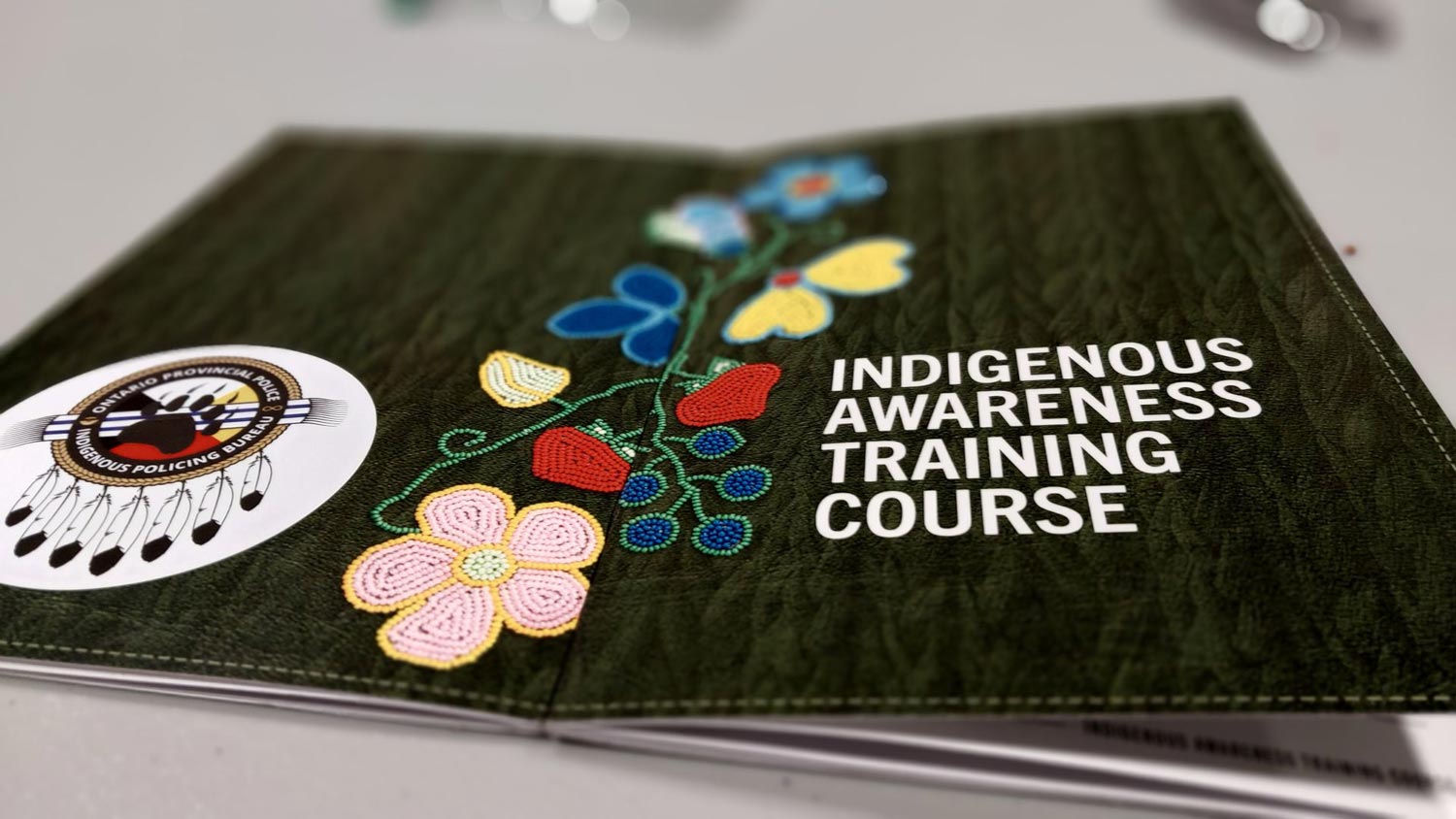
In 2025, the one-week Indigenous Awareness Training Course was offered for 17 weeks, with sessions hosted in Hiawatha First Nation, Chippewas of Rama First Nation, Gravenhurst, and Thunder Bay. In total, 317 participants attended the week-long course. Indigenous Awareness Training content was delivered as part of other courses to over 3,800 participants from internal and external agencies, including Ontario Police College recruits, auxiliary members, special constables, experienced police officers, cadets, and Provincial Communications Centres members.
What is the IATU?
The IATU delivers Indigenous Awareness Training to frontline members and provides support and resources to OPP employees, police partners and external service agencies to enhance their ability to work effectively with Indigenous people, communities and organizations. IATU also delivers culturally-based community and youth initiatives focused on wellness and leadership development.
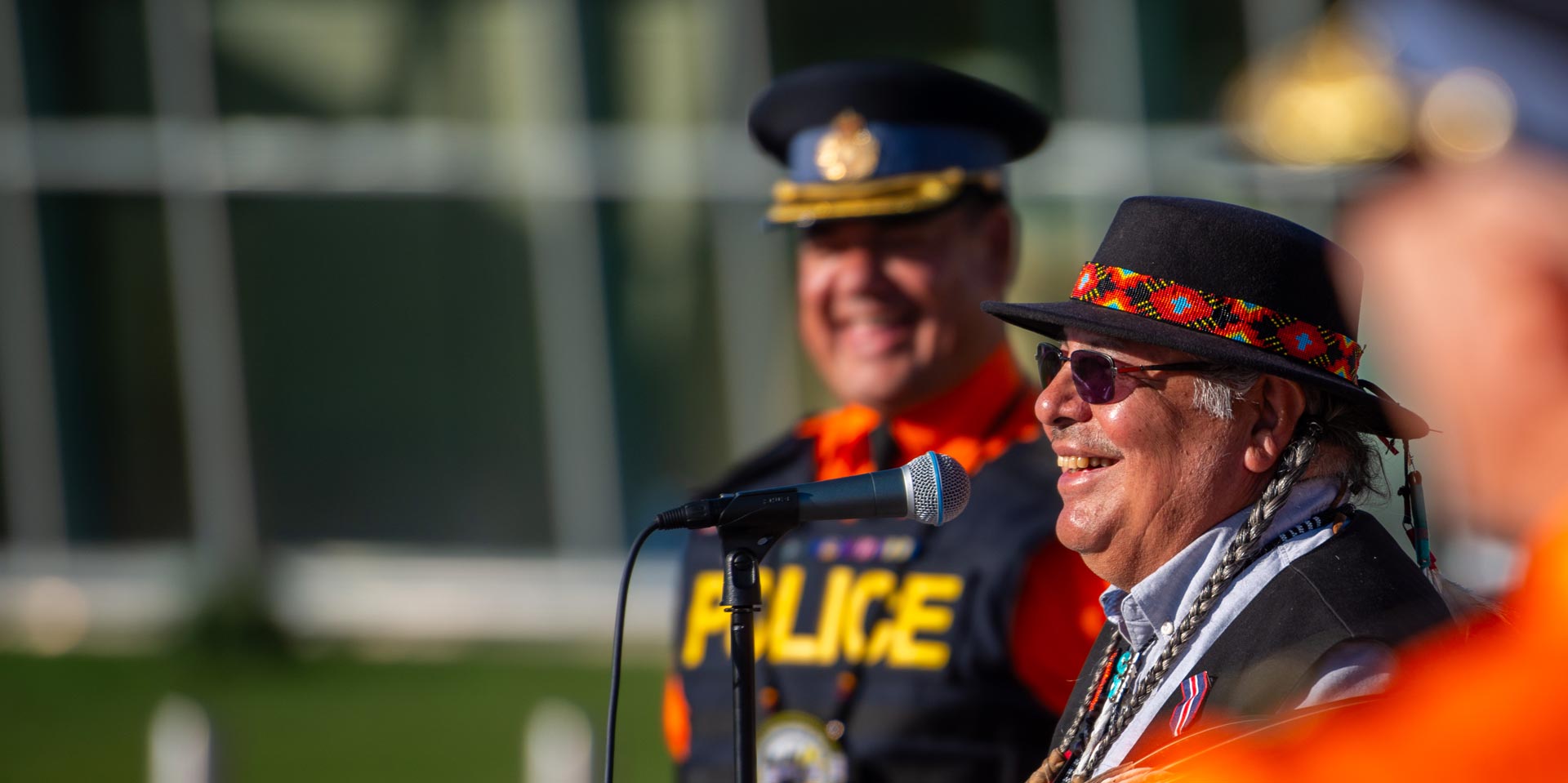
On September 4, 2025, Indigenous Policing Bureau hosted a commemorative ceremony at OPP General Headquarters to mark 30 years since the Ipperwash Crisis.
The Ipperwash Crisis began as a land dispute between Kettle and Stony Point First Nation and the federal and provincial governments, and came to a head on September 6, 1995, during an occupation of Ipperwash Provincial Park, when Anthony “Dudley” George, an unarmed demonstrator, was fatally shot by an OPP officer. Dudley George’s death became a turning point in Indigenous-police relations in Ontario.
In the years following the Ipperwash Crisis, Dudley George’s brother Sam George, led a campaign for justice and accountability, resulting in the launch of the Ipperwash Inquiry in 2003. The Inquiry examined the events surrounding the Ipperwash Crisis and the broader systemic issues that contributed to it. The Report of the Ipperwash Inquiry was released in 2007 and included 100 recommendations directed at various levels of government and police services. The 25 recommendations directed specifically to the OPP and several others directed to police services more broadly, focused on building positive relationships with Indigenous communities and establishing operational best practices to address Indigenous critical incidents. In 2009, following Sam George’s passing, the OPP planted a white pine tree at GHQ in his honour, meant as a symbol of peace and unity.
On September 4, 2025, members of the George family attended a ceremony which included the unveiling of a commemorative plaque near the Sam George Memorial Tree, recognizing his role as a driving force behind the Ipperwash Inquiry. The event reflected on the Inquiry’s lasting impact on policing in Ontario and reaffirmed the OPP’s ongoing commitment to addressing its recommendations, advancing reconciliation and strengthening relationships with Indigenous Peoples and communities.

Did you know that the OPP enters Research Agreements with external researchers to facilitate research on topics relating to policing?
In 2025, the OPP Research and Program Evaluation Unit received 21 requests for new Research Agreements and received reports from 12 previous research partnerships.
| 2025 RESEARCH AGREEMENT PROCESS BREAKDOWN | # |
|---|---|
| External research requests received in 2025 | 21 |
| Agreements put in place in 2025 | 3 |
| Cancelled/withdrawn in 2025 | 4 |
| Declined in 2025 | 2 |
| Proposals currently being assessed | 12 |
| Research projects currently in progress | 23 |
| Final papers/products received in 2025 | 12 |
To learn more, visit Ontario Provincial Police - Research Agreements.

What is a Research Agreement?
A Research Agreement is a contract between the OPP and an applicant (eg. a university, college, faculty member, student etc.) detailing the length and scope of the applicant's proposed research and the affected OPP program areas.