
2,451,428
TOTAL CALLS RECEIVED

991,657
9-1-1 CALLS

1,459,771
OTHER CALL SOURCES
Source: PCC telephone system. Data retrieved January 02, 2026.
Traffic Complaint/Enforcement/Hazard
205,128
Phone Calls With No Voice Contact (Ex. Hang Ups, Accidental Dials)
177,765
Police Assistance
97,193
Motor Vehicle Collision
80,670
Intimate Partner Violence (Formerly “Domestic Dispute”)
35,418
Mental Health Related
30,319
Alarm
26,022
Suspicious Person
22,588
Family Dispute
21,320
Theft
18,546
The PCCs received
a total of 991,657
9-1-1 calls in 2025,
an average of 2,717
9-1-1 calls per day.
A call for police assistance is received every 5 minutes. This includes calls from other agencies or the public, compassion to locate, medical/organ/ blood relay, public advice or calls for overdue person/motorists.
Officers are dispatched to a traffic event (not including traffic stops) every 2 minutes.
A call involving a motor vehicle collision is received every 6 minutes.

OPP officers initiate a traffic stop every 71 seconds.
A mental health or suicide-related call is received every 17 minutes. The OPP responds to approximately 87 mental health or suicide calls every day. Trained mental health and addictions crisis workers are embedded into each of the PCCs to help provide crisis de-escalation and support to consenting callers.
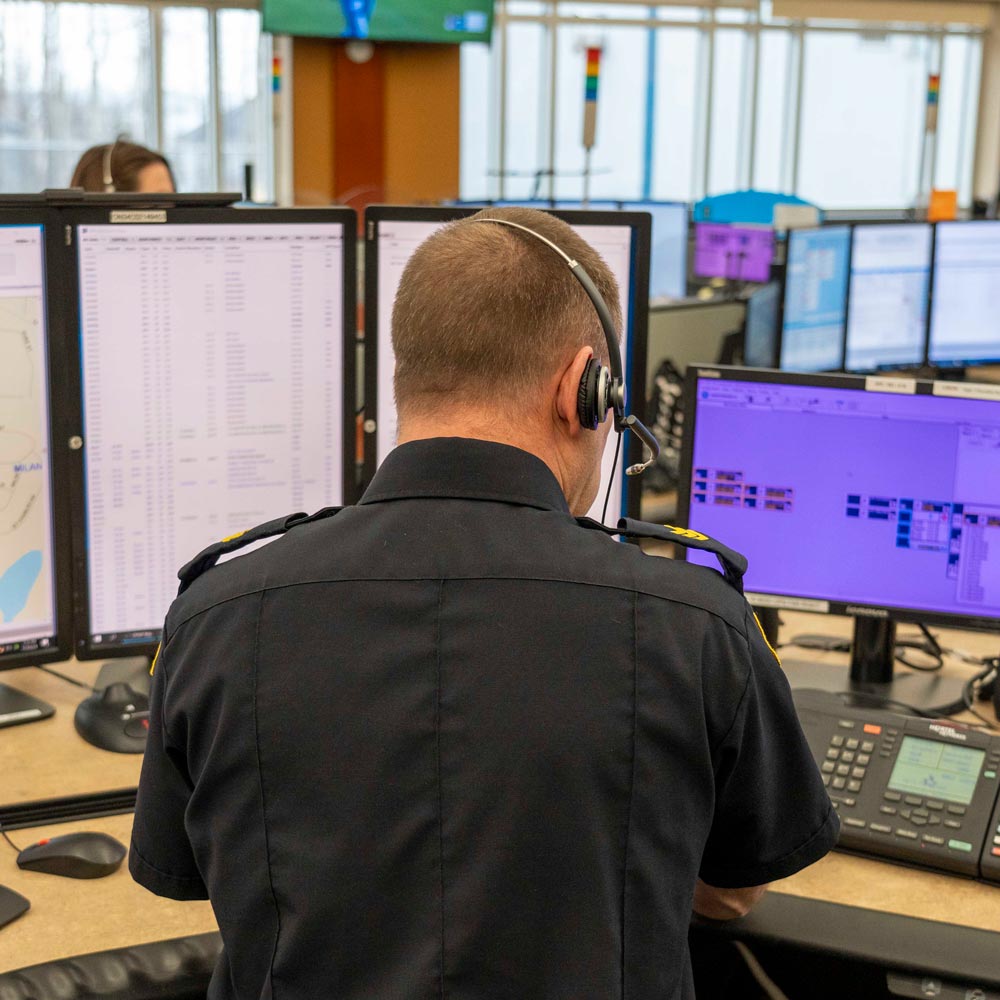
Officers are engaged in 172 calls related to community services every day.
A 9-1-1 call with no voice contact
is received every 3 minutes at the PCCs (an average of 488 each day). It is very common for the OPP to receive a no voice contact 9-1-1 call in the PCCs. 9-1-1 is for police, fire, or medical emergencies only. Every time an accidental or hang-up 9-1-1 call is received, a communicator will attempt to call back the number and will also send a text to the cellular device.
If you’ve dialed in error, stay on the line,
and speak with the communicator.
A call for an
intimate partner violence (formerly “domestic dispute”) is received every 14 minutes. The PCCs receive an average of 101 intimate partner violence calls daily.
In 2025, the PCCs diverted over 103,000 unintentional 9-1-1 calls from frontline response.
Note: All data points are averages, unless marked as total.
Sources: Computer Aided Dispatch (CAD). Data retrieved January 12, 2026.
PCC telephone system. Data retrieved January 02, 2026.
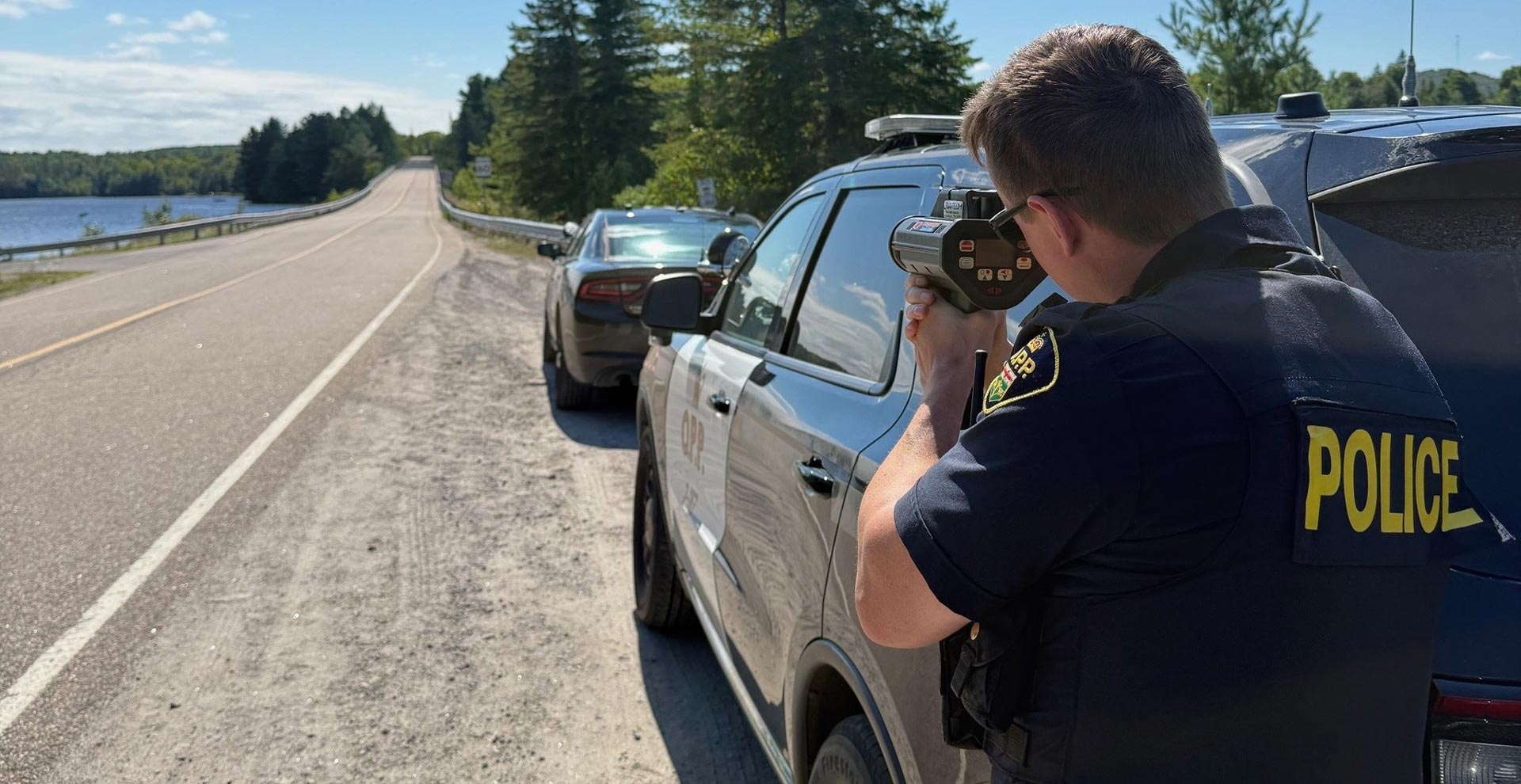
The Aircraft Enforcement Program was conducted in Central Region, East Region and West Region in 2025 to enhance road safety and support traffic enforcement initiatives like Motorcycle Safety Awareness Week. The Aircraft Enforcement Program supported aggressive motorcycle infractions, speeding, commercial motor vehicles, and stunt driving enforcement.
In 2025, the OPP supplemented everyday enforcement efforts with 12 Provincial Traffic Campaigns:
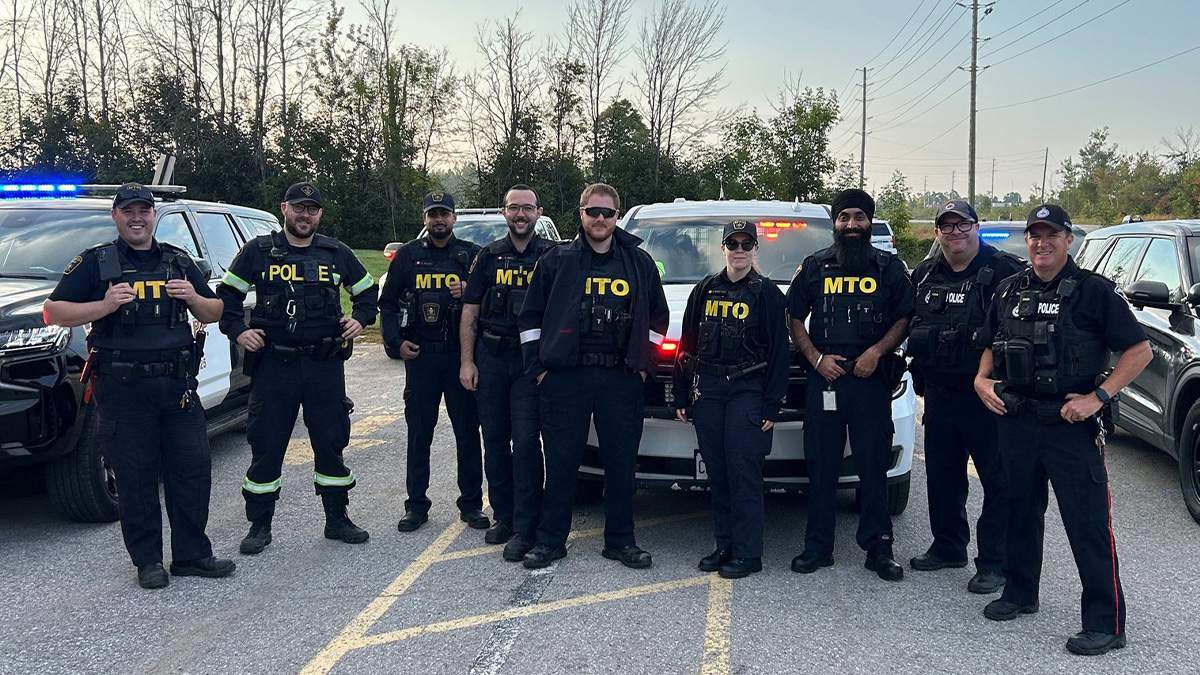
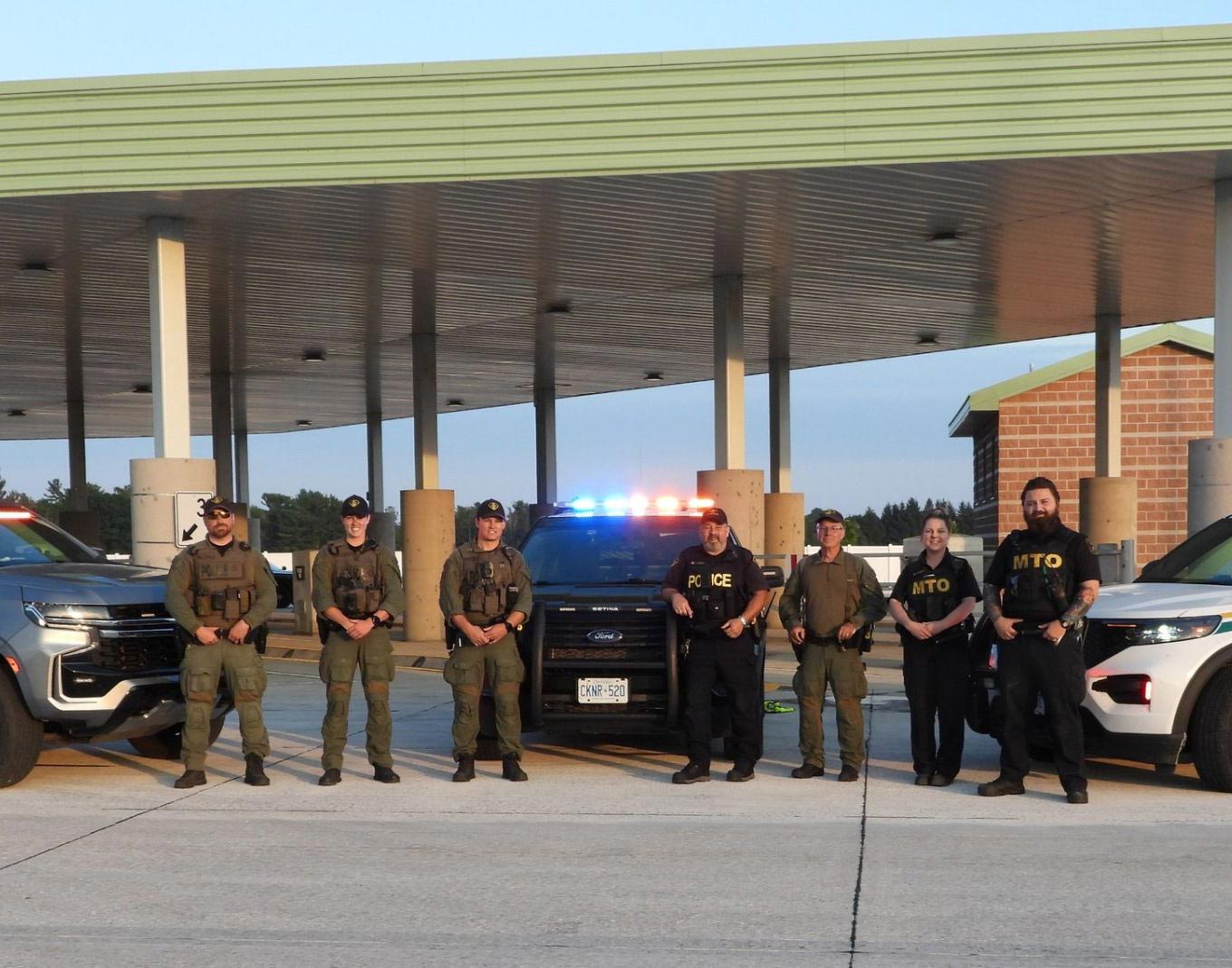
Provincial Traffic Operations also supported joint operations with partners such as the Ministry of Transportation, Canada Border Services Agency, Durham Regional Police Service, North Bay Police Service, and Sûreté du Québec. These partnerships included focused traffic enforcement and vehicle safety inspections.
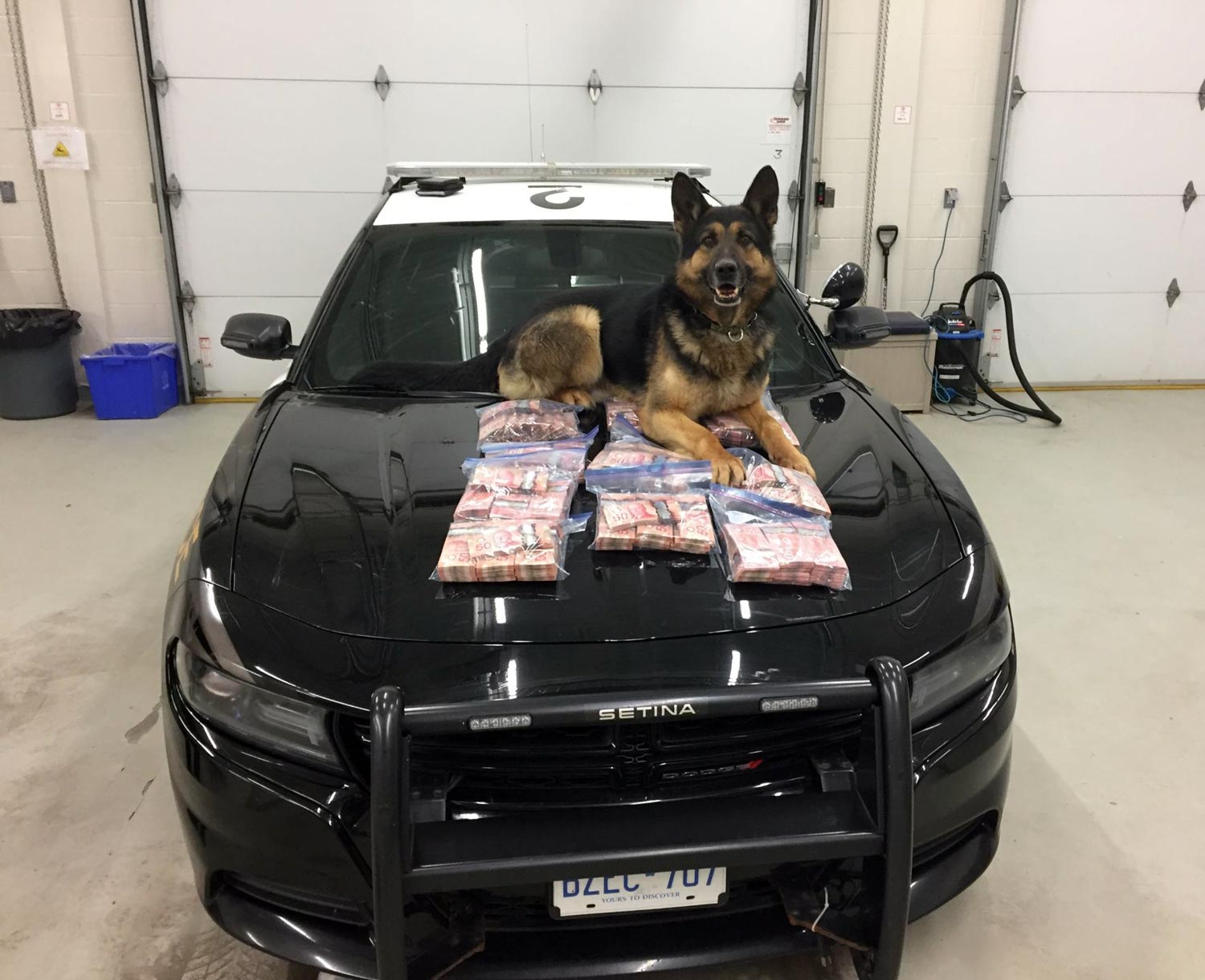
Traffic enforcement also plays a vital role in detecting and preventing crime. The Criminal Detection and Enforcement Program (CDEP) trains officers to recognize subtle signs of criminal activity during routine traffic stops. This includes detecting human trafficking, drug trafficking, currency smuggling, weapons offenses, stolen vehicles, and fraud, both in passenger and commercial vehicles. Through keen observation, strong partnerships, and a commitment to lawful policing, this program equips officers with the tools needed to combat crime and keep Ontario’s roads safe for everyone.
In 2025, the CDEP team trained more than 350 officers and initiated over 469 charges, including:
Additionally, seizures included:
These efforts highlight the program’s effectiveness in targeting organized crime and safeguarding our communities.
VIEW 2025 TRAFFIC STATSIN 2025, PATROL HOURS INCREASED BY MORE THAN 9% OVER 2024.
DID YOU KNOW THAT
THE OPP CONDUCTS AIRCRAFT, ALL-TERRAIN VEHICLE (ATV), BICYCLE, CRUISER, FOOT, MARINE, MOTORCYCLE, AND SNOWMOBILE PATROL?
The 2025 OPP Criminal Offence Summary provides crime data at the organizational level and by each Region and Highway Safety Division. The OPP Criminal Offence Summary shows total violations, clearance data, and charged persons statistics based on the most serious violation in an occurrence. Additionally, the tables indicate the difference in number of occurrences, percentage change in number of occurrences, and percentage change in clearance rate from 2024.
The 2024 Criminal Offence Summary with comparative data to 2023 is available for download.
The 2023 OPP Criminal Offence Summary, which includes organizational level data from 2020-2023, can be accessed on our website.
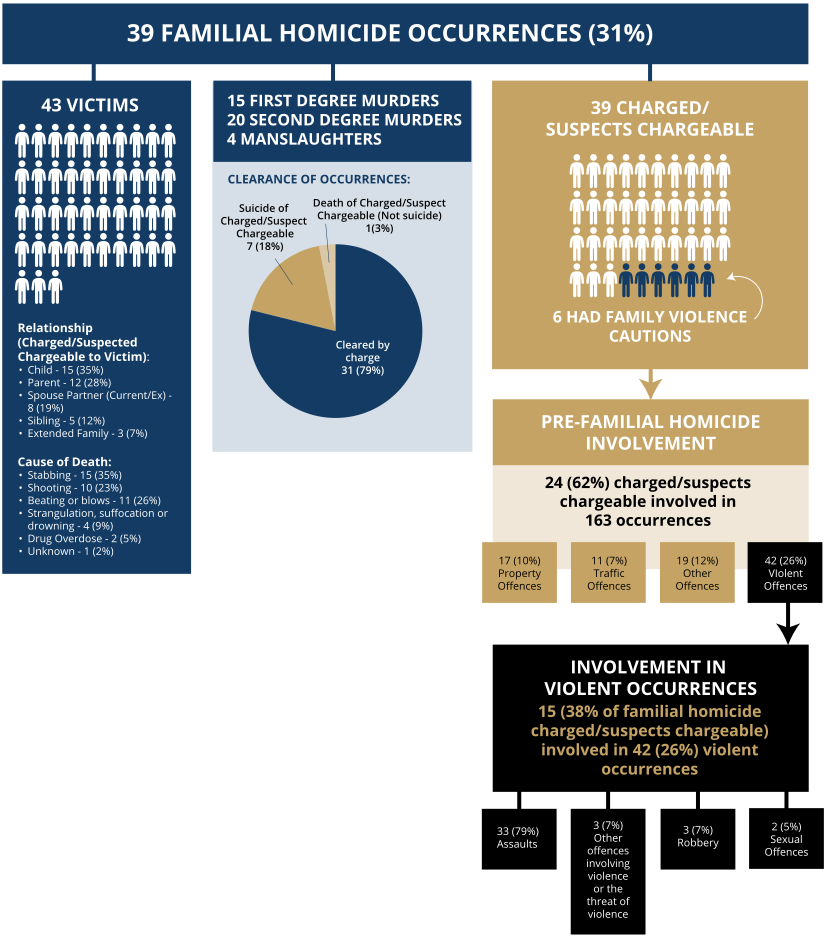
18%
of familial homicide occurrences were cleared as suicide of charged/suspect chargeable person.
15%
of charged/suspect chargeable persons had family violence cautions.
26%
of previous occurrences involving the charged/suspect chargeable persons were violent offences.
The Criminal Investigation Branch is responsible for the investigation of homicides, suspicious deaths, deaths of children under the age of five, attempted murders, missing persons where foul play is suspected or cannot be ruled out, extradition proceedings, coroner's inquests, judicial inquiries, and any other major criminal investigation within OPP jurisdiction or that of municipal or First Nation police agencies upon request. Investigators within CIB also provide major case management support and specialized investigative assistance for other serious criminal investigations. Additionally, CIB is mandated under the Coroner's Act to assist the Office of the Chief Coroner for Ontario in investigating deaths or inquests.
107
cases were opened by Criminal Investigation branch in 2025.
43
of these cases remain open and under investigation as of January 2026
In 2025, Criminal Investigation Branch
was assigned to
58
death investigations.
Of those 58 death investigations:
35 were classified as homicides,
7 involved children under the age of twelve, and
12 were requests from outside police service agencies.
Homicide
Sudden Death
Assist Other Police Agency
In 2025, the OPP laid a murder charge in a 34-year-old historic homicide.
On October 9, 1991, a missing person report was made to the Belleville Detachment for 40-year-old Angelien Josephine Quesnelle. Despite exhaustive efforts, she was not located. On November 15, 1991, her remains were discovered by a hunter and a subsequent postmortem examination deemed her death a homicide.
Based on an investigation conducted by the Peterborough County OPP Crime Unit, under the direction of the OPP Criminal Investigation Branch, the OPP arrested and charged a 70-year-old man with first degree murder on June 19, 2025.
Investigative Genetic Genealogy (IGG) is an investigative tool that assists police in solving serious criminal and unidentified human remains cases. Police can compare perpetrator and unidentified human remains DNA profiles against the DNA profiles voluntarily uploaded by users in select public databases. A genealogist uses measures of genetic relatedness combined with traditional genealogy to build the family tree of the unknown person to provide police with an investigative lead. Police then use traditional investigative techniques to confirm the identity of the perpetrator or unidentified human remains and confirm the DNA with a direct comparison sample.
In April 1980, a hiker veered off the Hardwood Lookout Trail in Algonquin Park and made a chilling discovery - human remains. A call to police triggered an extensive search of the area, led by the OPP with assistance from the Ministry of Natural Resources. Over several days, search teams uncovered a boot, a leather wallet, clothing, a sleeping bag and more remains. The remains were examined by experts from the Office of the Chief Coroner and the Ontario Forensic Pathology Service, who concluded that the individual was a young white male, likely between 18 and 21 years old. Initial estimates placed the time of death between July 1, 1971, and spring 1978. This window was eventually narrowed to approximately two years before the remains were found, however there were no signs of foul play, no name, and no clues.
In 1995, a jawbone was found nearby that was determined to be from the same person, and in 2017 the OPP unveiled a three-dimensional, clay reconstruction of the young man’s face, yet his identity remained unknown. In 2022, DNA from the unidentified remains was submitted for IGG analysis. Through analysis, potential family members were determined and their DNA collected for comparison.
On February 14, 2025, after an extensive investigation, the young man from Algonquin Park was identified as Eric (Ricky) Singer. Nearly 52 years after he was last seen, his family finally had answers.

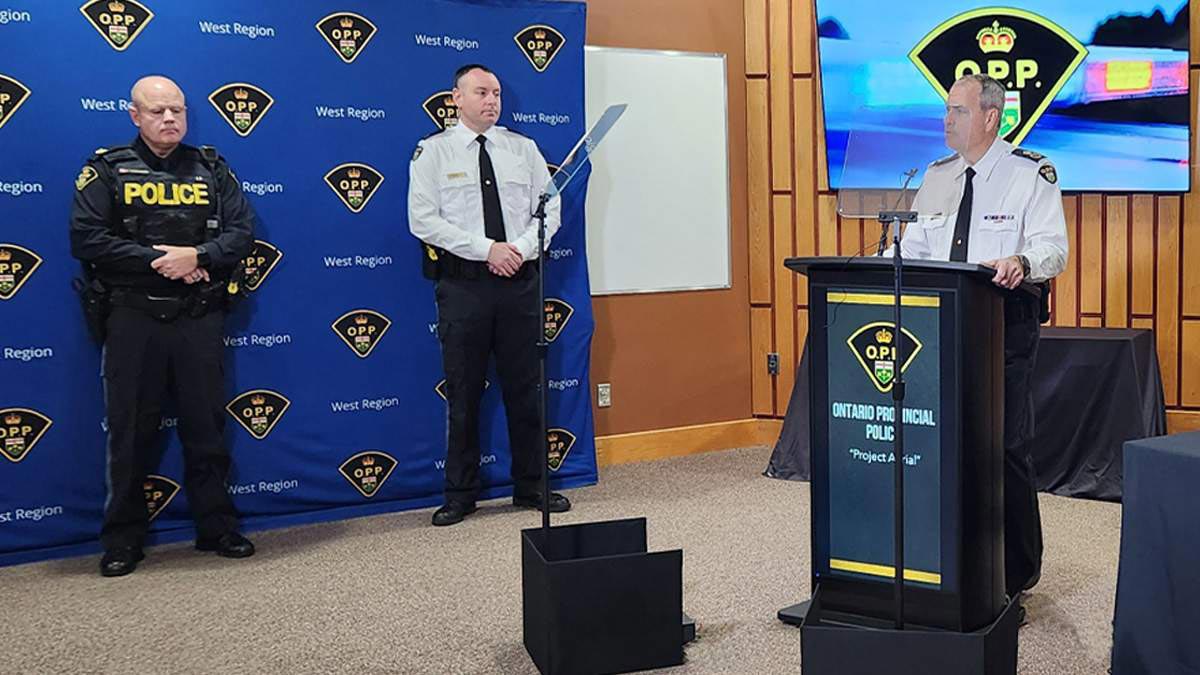
Between March and August of 1997, four separate sexual assaults occurred in Lambton County, Kent County, and the City of Sarnia. Four female victims – three of whom were young persons at the time of the offences – came forward with information to police. An investigation, Project Aerial, was launched.
OPP members from CIB, Lambton and Essex OPP Community Street Crime Units, Emergency Response Team, and Forensic Identification Services worked with the Centre of Forensic Sciences, Sarnia Police Service, the RCMP, Vancouver Police Department, and Calgary Police Service to determine that these sexual assaults were linked to a 52-year-old from British Columbia. With the power of DNA technology and the persistence of our officers and our partners, answers emerged after nearly three decades.
"PROJECT AERIAL PROVES THAT TIME DOESN'T WEAKEN OUR RESOLVE. WE REMAIN FOCUSED ON DELIVERING ANSWERS, SUPPORTING VICTIMS AND SURVIVORS AND UPHOLDING OUR DEDICATION TO PUBLIC SAFETY."
- OPP DEPUTY COMMISSIONER MARTY KEARNS
In August 2025, the OPP Criminal Investigation Branch, East Algoma Crime Unit, OPP specialty units, and government and policing partners supported the arrest and extradition of a wanted individual from Germany. The 33-year-old from Ottawa was charged in connection with a fatal residential fire investigation in Huron Shores. Partner agencies included Gatineau Police Service, Québec City Police Service, Ottawa Police Service, Belleville Police Service, Ministry of the Attorney General, Department of Justice, Canada Border Services Agency, Royal Canadian Mounted Police, Interpol and Europol Germany, Immigration, Refugees and Citizenship Canada, Embassy of Canada to Germany, and local and federal German police (Bundespolizei).

From unmarked offices and digital forensics labs across the province, members of the Child Sexual Exploitation Unit (CSEU) are leading some of the most complex, emotionally demanding and high-stakes investigations in law enforcement. Their goal is simple: find those who prey on children, stop them, and protect the ones who can't protect themselves.
In 2025, members of the OPP-led Provincial Strategy to Protect Children from Sexual Abuse and Exploitation on the Internet (Provincial Internet Child Exploitation [ICE] Strategy) took part in child sexual abuse investigations that were both reactive and proactive. This included Project Steel and Project Support.
Project Steel brought together 63 law enforcement partners from across Canada, led by the OPP, la Sûreté du Québec, and the RCMP's National Child Exploitation Crime Centre. It was a nationwide operation that led to more than 100 arrests and 300 charges and saw 37 children being safeguarded from harm.
Project Support was a luring investigation that unfolded over 12 days beginning on March 31, 2025. Officers went online posing as children to identify, locate, and arrest individuals attempting to sexually exploit them. The project resulted in 36 individuals arrested and 135 charges laid.
In September, OPP subject matter experts attended the 2025 Provincial Strategy Multidisciplinary Training Workshop in Collingwood, ON hosted by the Ontario Child Sexual Exploitation Investigators Association. This world-class collaboration with law enforcement, legal experts, victim services, and academics from across the globe highlighted our shared commitment to disrupting offenders and protecting children worldwide.
Anyone with information regarding instances of child exploitation is asked to contact their local police. Report any instances of online child abuse to police or cybertip.ca. If a child is being harmed, call 9-1-1.

What is the Provincial Internet Child Exploitation [ICE] Strategy?
The Provincial ICE Strategy is comprised of the Ontario Provincial Police Child Sexual Exploitation Unit (CSEU), 25 municipal police services, the Ministry of the Attorney General (MAG) and the Ministry of the Solicitor General (SOLGEN). The Provincial ICE Strategy provides a unique, provincially coordinated effort recognizing regional needs and issues, as well as the challenges associated with geographically dispersed victims throughout Ontario.
The Provincial ICE Strategy’s 26 participating police agencies include:
| CSEU | 2023 | 2024 | 2025 |
|---|---|---|---|
| Child victims identified and rescued | 52 | 21 | 92 |
| New investigations launched | 335 | 235 | 362 |
| Persons arrested and charged | 105 | 69 | 88 |
| Charges laid | 376 | 228 | 317 |
| PROVINCIAL STRATEGY | 2023 | 2024 | 2025 |
|---|---|---|---|
| Child victims identified and rescued | 359 | 537 | 533 |
| New investigations launched | 8,303 | 8,677 | 9,134 |
| Persons arrested and charged | 500 | 489 | 495 |
| Charges laid | 2,043 | 1,905 | 2,064 |
| Repeat offenders charges | 53 | 73 | 73 |
| Non-consensual distribution of intimate image charges | 23 | 18 | 192 |
| Victims referred to counselling | 180 | 86 | 250 |
| INTIMATE IMAGES | 2023 | 2024 | 2025 |
|---|---|---|---|
| Incidents of non-consensual distribution of intimate images – Victims under the age of 18 | 85 | 88 | 58 |
| Incidents of non-consensual distribution of intimate images – Victims over the age of 18 | 11 | 12 | 43 |
| Incidents of non-consensual distribution of intimate images – Offenders under the age of 18 | 27 | 37 | 58 |
| Incidents of non-consensual distribution of intimate images – Offenders over the age of 18 | 7 | 17 | 43 |
| 2023 | 2024 | 2025 | |
|---|---|---|---|
| Human trafficking offences reported | 155 | 77 | 49 |
| Number of victims provided support | 44 | 86 | 45 |
NOTE: 2025 numbers are accurate as of February 2026. 2023 and 2024 numbers are as reported in previous years.
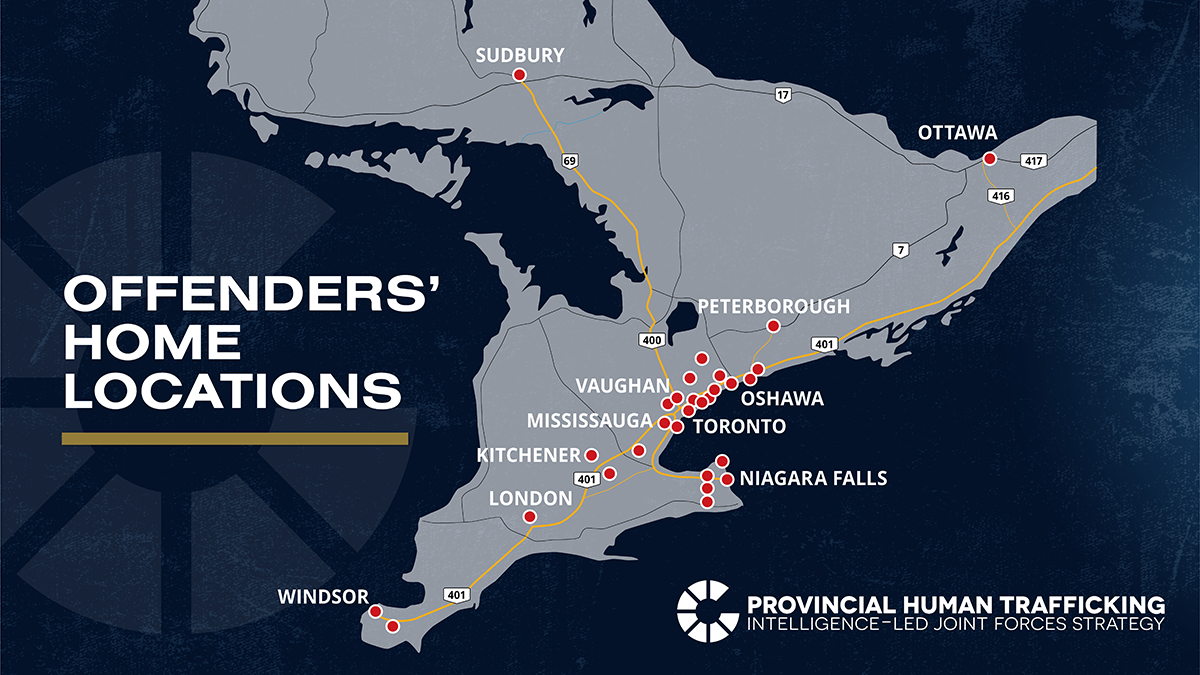
The OPP is also part of the Provincial Human Trafficking Intelligence-Led Joint Force Strategy, which launches multijurisdictional investigations into human trafficking. In an 18-month period, the Provincial Human Trafficking Intelligence-Led Joint Force Strategy led to 80 arrests and 165 charges related to attempting to purchase sexual services from youth or other individuals believed to be exploited. The map shows the offenders’ home locations.
The OPP Child Sexual Exploitation Unit and the Provincial Human Trafficking Intelligence-Led Joint Force Strategy were included in Ontario’s anti-human trafficking strategy for 2025-2030.
To learn more about Ontario’s anti-human trafficking strategy, visit Ontario’s anti-human trafficking strategy 2025–2030 | ontario.ca
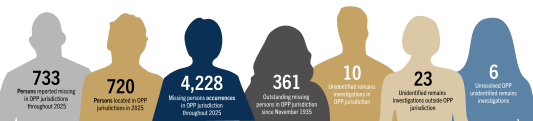
NOTES:
Data accurate as of February 2026.
Number of persons is based on the number of missing persons added to the Canadian Police Information Centre (CPIC) for the year.
Number of occurrences is based on information in the OPP records management system for the two relevant occurrence types. These occurrences may include duplicates as a result of jurisdiction discrepancies such as a person going missing in one OPP detachment area but being located in another area. Additionally, the number of occurrences would include missing person events where the missing was located quickly and prior to being added to CPIC.
In 2025, the Provincial ViCLAS Centre distributed over 600 investigative leads and reports to police agencies across Canada, supporting major investigations and strengthening inter-agency collaboration. Looking ahead to 2026, the team anticipates achieving a full complement of Joint Forces Officers—seven officers representing six Ontario police agencies—a significant milestone that underscores strong partnerships and a shared commitment to public safety.
| Cases submitted to ViCLAS | 12,838 |
| Reports disseminated to agencies by ViCLAS (cases of interest, potential links, multijurisdictional name hits) |
629 |
In 2025, the Provincial DNA Unit delivered over 40 training sessions, collectively reaching more than 600 members across the province and reinforcing best practices in DNA collection and analysis. The unit also undertook numerous projects and initiatives that demonstrate its commitment to collaboration with external stakeholders, modernization of processes, and continuous improvement—all contributing to enhanced investigative outcomes and improved public safety.

657
Convicted Offender Hits
1,354
Crime Scene Index Hits
1,105
Major Crime Biology Reports
1,519
High Volume Service Reports
| Threat Behaviour Analysis Team (TBAT) Calls for Service | 2023 | 2024 | 2025 |
|---|---|---|---|
| Intimate Partner Violence | 22 | 57 | 48 |
| Threats/Threats to Police | 30 | 32 | 35 |
| Criminal Harassment/Stalking | 8 | 7 | 9 |
| Mental Health | 3 | 8 | 16 |
| Sexual Violence | 16 | 19 | 18 |
| Youth Violence | 8 | 11 | 7 |
| General Violence | 16 | 14 | 6 |
| Total TBAT Calls for Service | 103 | 148 | 139 |
Following the retirement of the OPP Forensic Psychiatrist after a significant career, the Forensic Psychiatry Unit transitioned to having two Forensic Psychiatrists, seamlessly integrating them into the team. Their extensive experience and diverse backgrounds bring a wealth of operational knowledge that strengthens the capabilities of the Forensic Psychiatry Unit.
We also acknowledge the invaluable support of the RCMP Forensic Psychologist, whose expertise was instrumental in facilitating the transition and who continues to collaborate with the team.
| FORENSIC PSYCHIATRY UNIT | 2023 | 2024 | 2025 |
|---|---|---|---|
| Priority Call Types: | |||
| Agent/CI Assessment | 24 | 32 | 9 |
| Case Consult | 80 | 119 | 2 |
| Crisis Negotiation | 44 | 30 | 22 |
| Threat Assessment Consultation | 83 | 110 | 86 |
| Total Calls for Service to the Forensic Psychiatry Unit | 231 | 291 | 119 |
In 2025, the Forensic Interview Team continued to strengthen its specialized capabilities in advanced interview and interrogation techniques, including sending members on the Canadian Police College Polygraph Examiners Course.
The team also piloted ORBIT, an innovative interview training model developed by a United Kingdom-based agency. This approach is now being integrated into advanced interview training across the organization through ORBIT’s “train-the-trainer” program, in which several FIT members are actively participating. These initiatives align with FIT’s broader Interview Capacity Building Strategy, which includes:
| FORENSIC INTERVIEW TEAM (FIT) | 2023 | 2024 | 2025 |
|---|---|---|---|
| OPP Interviews | 932 | 792 | 613 |
| Municipal Police Service Interviews | 65 | 42 | 8 |
| RISK OFFENDER ENFORCEMENT UNIT | 2023 | 2024 | 2025 |
|---|---|---|---|
| Surveillance Details: | 152 | 156 | 172 |
| Statutory Release | 28 | 30 | 49 |
| Warrant Expiry | 1 | 2 | 2 |
| Probation | 11 | 3 | 4 |
| Day Parole/Parole | 18 | 20 | 13 |
| Long Term Supervision Order Offenders | 18 | 17 | 29 |
| Statutory Release (Residency) | 53 | 52 | 45 |
| Offender Breakdown: | |||
| Sex Offenders | 40 | 31 | 43 |
| Child Offenders | 28 | 22 | 28 |
| Intimate Partner Violence Offenders | 17 | 13 | 18 |
In 2025, the Ontario Sex Offender Registry (OSOR) was rebranded as the Ontario Sex Offender and Trafficker Registry (OSOTR), now managed under the Sex Offender Registry Program. To support this transition, the Legislative Implementation Team was established to operationalize changes to Christopher’s Law resulting from Bill 223.
2025 ACCOMPLISHMENTS
Despite being a small team, members demonstrated exceptional agility—pivoting quickly to accommodate last-minute legislative changes, urgent ministry requests, and evolving priorities. Their efforts ensured accuracy, maintained database integrity, and met tight deadlines under significant pressure.
The Research Unit continues to advance critical knowledge in the areas of sexual offending—particularly child sexual exploitation—and intimate partner violence.
In 2025, the team achieved several notable accomplishments:
The unit also launched two significant new projects:
In addition, the team provided expert analysis and authored multiple reports for key government partners—including Ontario Ministry partners, Justice Canada, and the Ontario Association of Chiefs of Police—on topics such as sexual offenders, intimate partner violence, and coercive control.
Hate crime is a criminal act against a person or property that is motivated in whole or in part by hate and/or bias toward an identifiable group. A hate motivated incident refers to non-criminal actions or behaviours that are motivated by hate and/or bias.
The Hate Crime Extremism Liaison Officer (HCELO) initiative was developed to align with operational, community, and legal objectives and increase subject matter expertise at the detachment level. HCELOs receive specialized training related to the identification and investigation of hate crimes and providing culturally informed support to victims. In 2025 there were 79 HCELOs working at 69 detachments across the province.
In 2025, the most commonly reported hate crime types were race/ethnicity (36% of occurrences) and sexual orientation (35% of occurrences).
Hate crime data continues to be part of an ongoing data quality audit to ensure occurrences are appropriately classified as hate crimes. In 2023 and 2024, a targeted audit of hate crime motivations was completed, resulting in the correction of previously misclassified occurrences. This contributed to an increase in reported hate crime counts for that period.
The audit process remains ongoing, with occurrences actively being reviewed and corrected. As such, the data is dynamic and subject to change as additional discrepancies are identified and resolved. Variability in reported trends during this period is expected and reflects improvements in data accuracy rather than true fluctuations in occurrence levels. Reliable trend analysis and year-over-year comparisons will be more meaningful once the audit process is complete and the data has stabilized.
| HATE CRIME TYPE (% OF TOTAL HATE CRIME OCCURRENCES) |
2025 |
|---|---|
| Race/Ethnicity | 36.4% |
| Sexual Orientation | 35.1% |
| Religion | 18.2% |
| Gender | 5.2% |
| Immigrants/newcomers to Canada | 2.6% |
| Combination (more than 2 motivations) | 1.3% |
| Language | 1.3% |
| Other similar factor* | 1.6% |
Notes:
Data retrieved from Niche RMS Data Feed on March 16, 2026.
As audit and compliance reviews remain ongoing, data may be subject to change.
The sum of hate crime types may equal more than 100% as some occurrences may involve multiple types.
* “Other similar factor” is a category used by Statistics Canada that includes other motivations such as profession or political beliefs.
Jewish
Black
2SLGBTQ+

Financial Crime Services brings together the Anti-Rackets Branch (ARB) and the Serious Fraud Office (SFO) to provide the OPP with a coordinated, province-wide approach to serious and complex financial crime. Financial Crime Services delivers the leadership, expertise, and investigative capability needed to protect the integrity of Ontario's financial systems, public and private institutions, and communities.
Financial Crime Services investigates the full spectrum of financial crime, including fraud, proceeds of crime offences, corruption, bribery, identity and personation offences, forgery and document offences, and other complex financial crime matters, including those linked to organized crime and money laundering.
Serious fraud continues to significantly impact the Ontario economy and its citizens, with total annual losses estimated in the billions of dollars. The SFO consists of a multidisciplinary team of uniform and civilian subject matter experts to investigate serious fraud and complex financial crimes.
In 2025, the SFO launched its website to serve as a comprehensive hub for fraud prevention education and organizational updates, positioning the SFO as a more accessible and responsive service for Ontarians. The website includes the Serious Fraud Office Victim Portal, a platform created to enhance communication with individuals affected by SFO investigated fraud. Once a victim is identified through a Serious Fraud Office investigation, a victim liaison contacts them and invites them to access the Victim Portal. The portal enhances victim support by enabling secure, direct communication between victims and SFO victim liaisons, while also providing timely access to case updates and support resources. Since its launch, the platform has supported hundreds of victims in complex financial crime matters and has established a new standard for victim services through improved accessibility, transparency, and responsiveness.
Fraud can affect anyone. If you think you may have been a victim of fraud, it is important to file a report with your local police service.
On October 7, 2025, the Ontario Superior Court of Justice convicted a hospital executive and a construction company president of two counts of Fraud Over $5,000, marking a significant milestone in Ontario’s efforts to combat institutional corruption. The convictions arose from Project Paddock, a complex investigation into fraud related to a hospital renovation project. The renovation project, initially valued at approximately $200 million, ultimately resulted in more than $500 million in additional costs to taxpayers, with the total financial impact estimated to exceed $1 billion.
The SFO initiated the investigation in April 2020 during the COVID-19 pandemic, uncovering covert communications and undisclosed conflicts of interest that compromised the procurement process for the hospital renovation project. The case involved one of the largest disclosure exercises in SFO history—equivalent to more than 1,300 banker boxes of material if printed. In response, the SFO became the first police agency in Canada to implement an eDiscovery platform for criminal investigations, prosecution, and disclosure. This innovation streamlined disclosure, ensured compliance with R. v. Jordan timelines, and supported an efficient and successful prosecution.

CHARGED
11 INDIVIDUALS
WITH 30 SERIOUS
CRIMINAL OFFENCES

IDENTIFIED
1,852 VICTIMS
ACROSS ACTIVE
INVESTIGATIONS.

DELIVERED 10
EDUCATION AND TRAINING EVENTS,
WITH A COMBINED ATTENDANCE OF
982 INDIVIDUALS
FROM ONTARIO’S LAW ENFORCEMENT, JUSTICE, AND PARTNER AGENCIES.
In 2025, Project Island resulted in fraud and firearm-related charges against an archaeologist who provided false information to the Ministry of Citizenship and Multiculturalism. The conduct of the archaeologist affected sites within Robinson–Williams Treaty territory and had potential implications for Indigenous cultural heritage sites.
The ARB Cyber-Enabled Fraud Team participated in several major cyber-fraud disruption initiatives, including Project Atlas and the Maple Disruption Sprint, working alongside national and international law enforcement partners. Through these collaborative efforts, investigators supported the identification, tracing, and freezing of stolen cryptocurrency linked to victims in Canada

CHARGED
13 INDIVIDUALS
RESULTING IN 47 TOTAL CHARGES.

SUPPORTED
407 VICTIMS
AND CONDUCTED 1,110
VICTIM SUPPORT INTERACTIONS.

PROVIDED INVESTIGATIVE
ASSISTANCE TO FILES
THAT RESULTED IN
238 ADDITIONAL CHARGES
ACROSS THE PROVINCE.

INVESTIGATIONS CONTRIBUTED
TO VICTIMS RECEIVING
APPROXIMATELY
$2,000,000
IN COURT ORDERED RESTITUTION.
Cybercrime continues to victimize people across Ontario. The most common type of cybercrime is online fraud. In 2025, the OPP continued to see an increase in cyberbullying, harassment, and stalking online.
| OCCURRENCE TYPE | 2023 | 2024 | 2025 |
|---|---|---|---|
| Cyberbullying/Harassment/Stalking | 798 | 1,082 | 1,087 |
| Fake Emergency Calls/Swatting | 21 | 25 | 17 |
| Identity Theft/Sim Swapping | 173 | 243 | 99 |
| Online Fraud | 3,260 | 3,456 | 2,623 |
| Phishing/Extortion Email | 380 | 322 | 272 |
| Data Breach/Theft of Data | 35 | 31 | 38 |
| Denial of Service/Webpage Defacement | 2 | 1 | 0 |
| Mischief to Data/Ransomware/Malware | 47 | 31 | 32 |
| Unauthorized Use of a Computer | 28 | 19 | 15 |
| Other Cyber Enabled Violent Crime | 165 | 167 | 222 |
| Other Cyber Enabled Property Crime | 818 | 836 | 676 |
| Other Cyber Enabled Other Criminal Code | 8 | 8 | 2 |
| Other Cyber Enabled Other | 40 | 35 | 37 |
| Total | 5,775 | 6,256 | 5,120 |
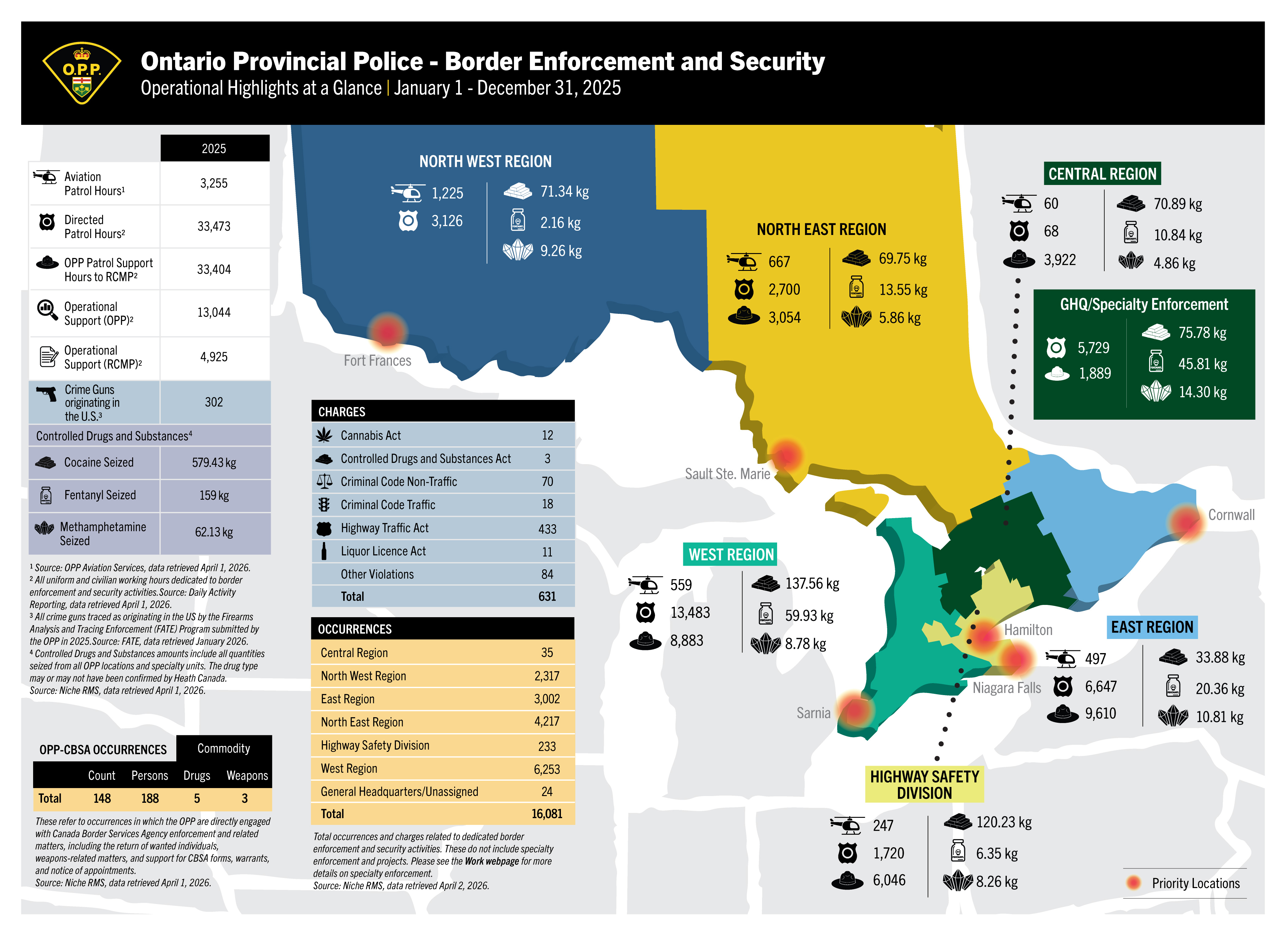
The OPP plays a vital role supporting its valued partner agencies in maintaining border integrity in Ontario through integrated enforcement and intelligence sharing.
In 2025, operational planning and resources for border enforcement and security were enhanced to support the provincial Operation Deterrence framework to strengthen security along the Ontario-United States (U.S.) border. The OPP in collaboration with partner agencies expanded efforts to deter, detect, and disrupt illegal activity at the Ontario/U.S. border through increased proactive land, air, and water patrols, as well as through collaboration in enforcement, investigations, and intelligence sharing centred on cross-border criminal activity.
By continuing to use an integrated approach to border security, law enforcement and security agencies will not only further strengthen their partnerships, but also improve their collective ability to identify, monitor, and respond to threats to public safety and security.
In 2025, the OPP continued to strengthen partnerships with the Canada Border Services Agency (CBSA), the Royal Canadian Mounted Police (RCMP), the Ministry of Transportation Ontario, numerous Indigenous police services, and law enforcement agencies in the U.S., collaborating in strategic operational initiatives on both land and water.
Thanks to the dedication of operational support personnel, specialized units, and frontline members, the OPP dedicated more than 84,800 hours to protecting our borders, resulting in more than 16,000 occurrences and more than 600 charges laid. Additionally, there were nearly 150 occurrences related to engagement with the CBSA, including facilitating the return of individuals unlawfully in Canada and assisting with warrants, forms, and notices of appointment.
In 2026, the OPP will continue to prioritize efforts to combat drug, firearm, and human trafficking, working closely with municipal, provincial and federal partners to ensure safer communities.
Members from the OPP Organized Crime Enforcement Bureau (OCEB) are assigned to support the Border Enforcement Security Taskforce (BEST), led by the U.S. Department of Homeland Security, Homeland Security Investigations, at international boundary crossings in Ontario. This multi-agency, cross-border enforcement team includes representatives from the CBSA, the OPP, as well as various national and international partners.
The primary responsibility for border security lies with the Government of Canada, however the OPP plays a vital role within the BEST program by helping to maintain border integrity in Ontario through integrated enforcement and intelligence sharing. The BEST program identifies, investigates, and supports the prosecution of individuals and groups engaged in organized criminal activity with a nexus to the international border. The BEST program mandate covers a wide range of border related criminal activity with a connection to land and sea borders, including, but not limited to, drug trafficking, weapons trafficking, human trafficking, commodities smuggling, money laundering, bulk cash smuggling, child exploitation, maritime smuggling, illicit tunnels, and commercial fraud.
The OPP leads the Border Drug Interdiction Task Force (BDIT), consisting of OPP members, as well as provincial, interprovincial, national and international law enforcement agencies including the RCMP, CBSA, U.S. Drug Enforcement Agency and municipal law enforcement agencies. The OPP-led BDIT focusses on intelligence-led investigations on the Ontario side of the border and works collaboratively and seamlessly with the BEST program with a collective goal of deterring criminal activities and the flow of illegal guns, drugs and contraband tobacco as well as human smuggling.
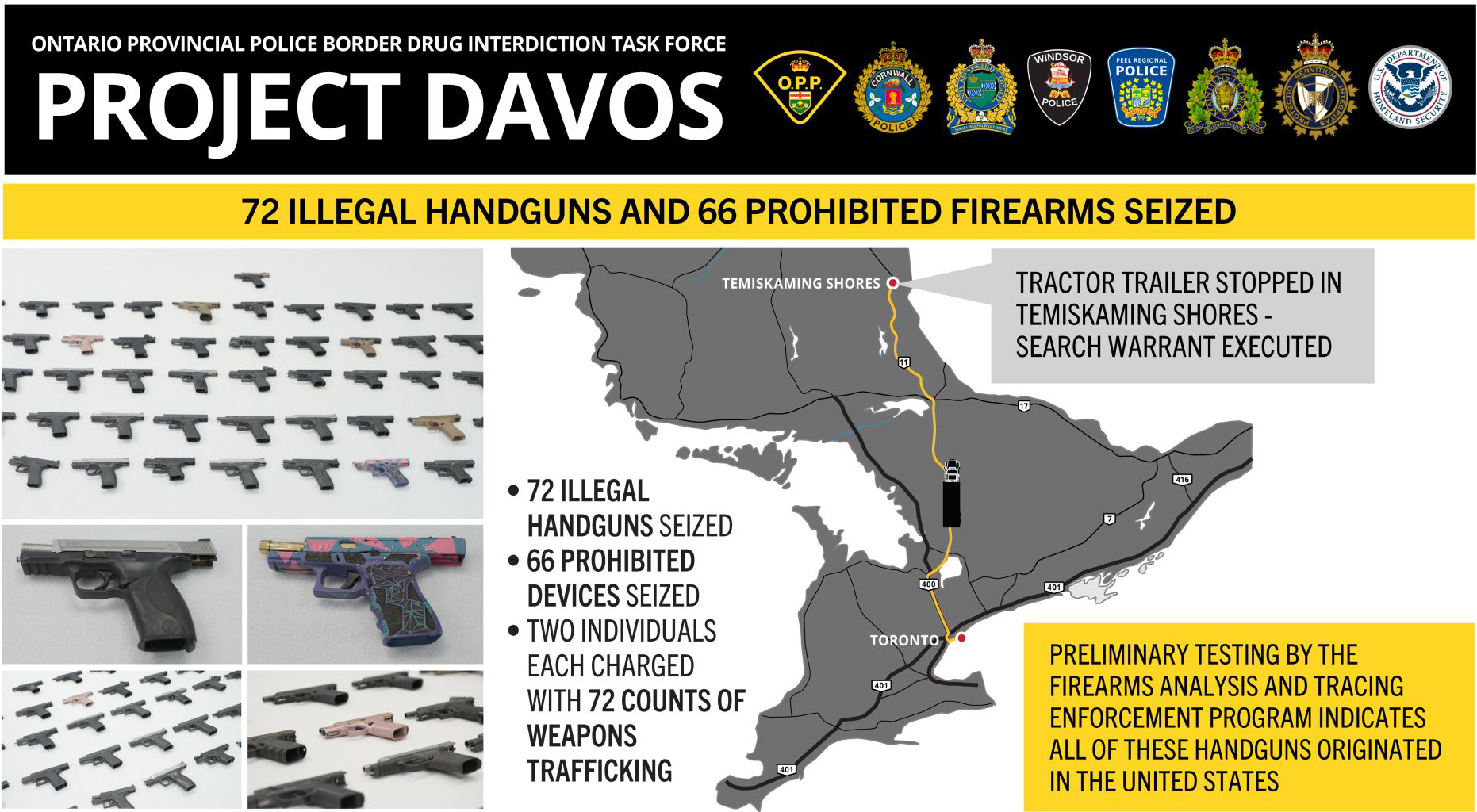
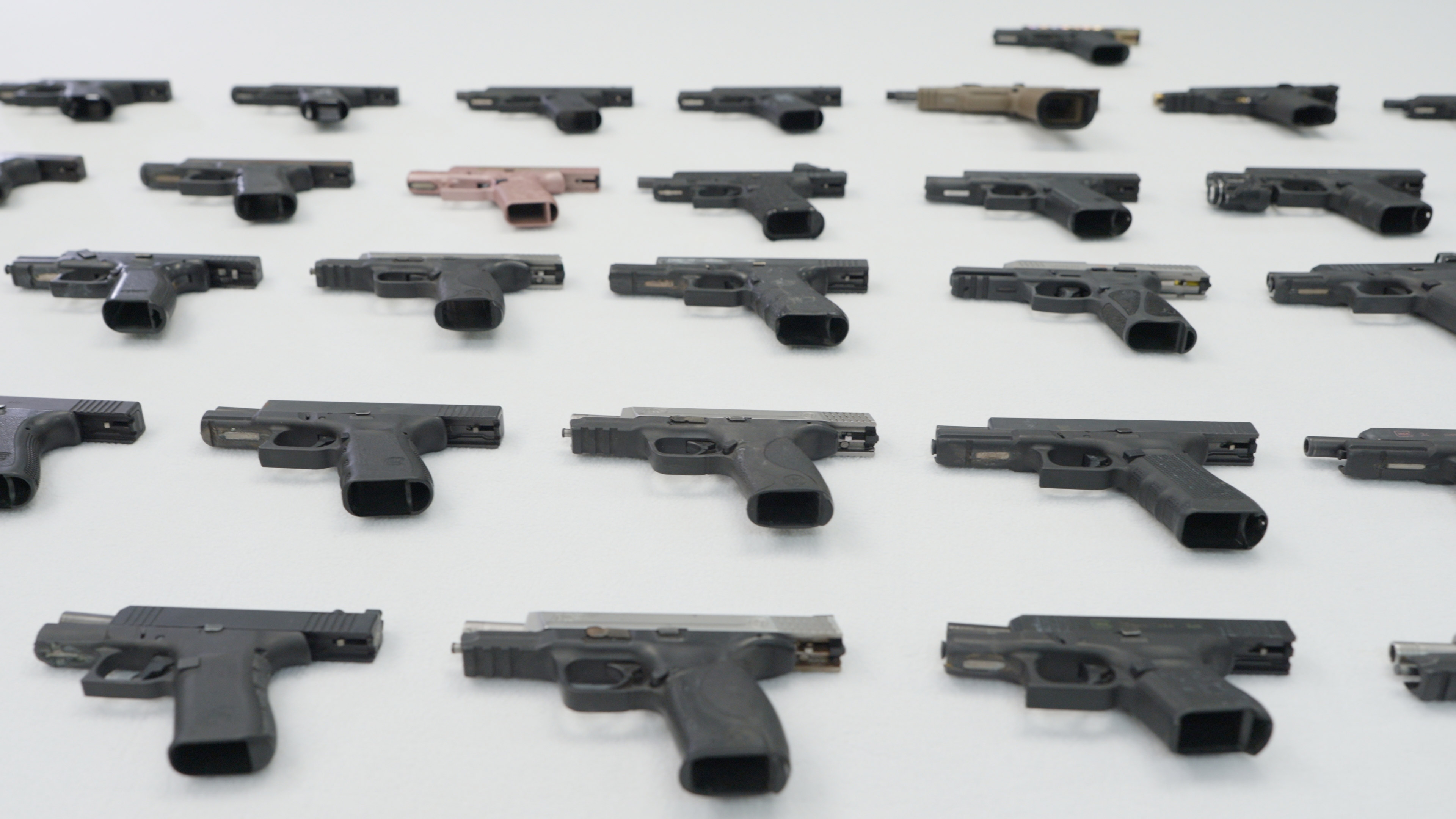
In September 2025, Project Davos, led by BDIT, resulted in the seizure of 72 illegal handguns and 66 prohibited firearms. Investigators identified a northbound tractor-trailer linked to an ongoing investigation. The tractor-trailer was stopped near Temiskaming Shores, and a search warrant was executed with assistance from OPP members across several program areas:
Two individuals from Brampton were arrested and charged with multiple offences, including weapons trafficking and possession for the purpose of trafficking cocaine.
In August 2025, the OPP-led BDIT, working in partnership with the Sûreté du Québec, began investigating the alleged trafficking of large quantities of cocaine. The investigation led to coordinated arrests and seizures in Québec and Toronto in December 2025, including traffic stops and the execution of a search warrant at a Toronto residence believed to be used to process cocaine, with assistance from the OPP Provincial Guns and Gangs Enforcement Team. Police seized approximately 79 kilograms of suspected cocaine, along with significant quantities of other controlled substances, drug‑processing equipment, a loaded firearm and cash. The total value of the drugs seized is estimated at approximately $8.4 million. Six individuals were arrested and charged, with one accused facing additional firearms‑related offences.

Stemming the illegal flow of firearms, ammunition, and explosives
| 2023 | 2024 | 2025 | |
|---|---|---|---|
| Total charges | 148 | 496 | 40 |
| Total arrests | 30 | 52 | 5 |
| Total warrants executed | 19 | 36 | 13 |
| Firearm seizures | 358 | 196 | 566 |
| Other weapon/prohibited device seizures | 81 | 60 | 20 |
| Firearm traces | 3,105 | 2,978 | 3,291 |
| Judicial authorizations | 144 | 77 | 28 |
| Assist to other unit/agency | 1,904 | 62 | 53 |
| Fentanyl Seized | 6.34 kg | ||
| Cocaine Seized | 3.66 kg |
Combating gun and gang violence in communities across Ontario
| 2023 | 2024 | 2025 | |
|---|---|---|---|
| Investigations | 61 | 39 | 21 |
| Arrests | 89 | 81 | 111 |
| Charges | 760 | 460 | 648 |
| Judicial Authorizations | 1,026 | 309 | |
| Warrant Executions | 191 | 193 | 150 |
| Firearm Seizures | 216 | 41 | 16 |
| Other Weapon/Prohibited Device Seizures | 372 | 84 | 12 |
| Ammunition (rounds) Seizures | 75,900 | 4,051 | 535 |
| Assist to Other Unit/Agency | 64 | 46 | 14 |
| Cocaine Seized (kg) | 369.93 | 183.53 | |
| Methamphetamine Seized (kg) | 177.88 | 13.22 | |
| Fentanyl Seized (kg) | 8.32 | 77.71 |
Investigating illegal activities of Outlaw Motorcycle Gangs with a view toward criminal enforcement, as well as asset forfeiture and seizure
| 2021 | 2022 | 2023 | 2024 | 2025 | |
|---|---|---|---|---|---|
| Total arrests | 26 | 11 | 43 | 37 | 34 |
| Assisted arrests | 31 | 13 | 14 | 27 | 28 |
| Total charges | 332 | 28 | 202 | 271 | 125 |
| Assisted charges | 146 | 117 | 100 | 163 | 95 |
| Total warrants executed | 59 | 36 | 135 | 40 | 73 |
| Assisted warrants executed | 23 | 23 | 54 | 36 | 27 |
| Expert requests | 5 | 19 | 39 | 23 | 57 |
Enforcing the economic consequences of criminality and assisting police agencies in Ontario with the seizure, restraint and forfeiture of offence-related property and proceeds of crime
INVESTIGATIONS:
| 2021 | 2022 | 2023 | 2024 | 2025 |
|---|---|---|---|---|
| 843 | 261 | 522 | 502 | 581 |
Restraints/Seizures:
| 2021 | 2022 | 2023 | 2024 | 2025 |
|---|---|---|---|---|
| $65,233,528.97 | $42,173,570.78 | $20,805,811.20 | $25,737,605.25 | $23,450,000.00 |
Forfeitures:
| 2021 | 2022 | 2023 | 2024 | 2025 |
|---|---|---|---|---|
| $6,218,350.95 | $2,199,075.76 | $12,943,129.36 | $3,300,477.55 | $7,207,061.00 |
Decrease in 2022 over 2021 can be attributed to significant ongoing resource-intensive investigation(s) and the requirement for increased efficiencies to be established with the Public Prosecution Service of Canada.
In 2025, the OPP submitted
998 Crime Gun Traces
(467 Handguns + 532 Long Guns)
to the FATE Program for tracing.

Of those,
85% of the
Handguns
submitted were traced to the U.S.

What Is A Crime Gun?
A crime gun is defined as any firearm that has been used in a criminal offence, or is obtained, possessed or intended for use in criminal activity. This includes firearms with removed or obliterated serial number(s) and any weapon that has been modified to function as a firearm.
Apprehending those who pose a significant threat to Ontario communities
ARRESTS MADE:
2021
1,200
2022
1,147
2023
1,213
2024
1,583
2025
2,138
Leading proactive, intelligence-based organized crime investigations, bringing charges against those responsible for serious vehicle crimes and misconduct in the towing industry.
| 2024 | 2025 | |
|---|---|---|
| Total arrests | 171 | 31 |
| Assisted arrests | 20 | 0 |
| Total charges | 947 | 308 |
| Assisted charges | 24 | 0 |
| Recovered Vehicles | 1,448 | 941 |
| Value of Recovered Vehicles | $121,850,000 | $77,162,000 |
| Total warrants executed | 71 | 52 |
| Assisted warrants executed | 18 | 12 |
| Expert requests | 50 | 3 |

Combatting the illegal and unsafe cannabis product market
| 2021 | 2022 | 2023 | 2024 | 2025 | |
|---|---|---|---|---|---|
| Total Charges | 166 (157 Federal; 9 Criminal Code) | 60 (32 Federal; 28 Criminal Code) | 111 (73 Federal; 38 Criminal Code) | 124 (63 Federal; 54 Criminal Code) | 124 (113 Federal; 10 Criminal Code) |
| Total Arrests | 101 | 20 | 45 | 41 | 58 |
| Total Warrants Executed | 36 | 17 | 12 | 27 | 66 |
| Total Illegal Cannabis Storefronts Enforced | 0 | 1 | 4 | 22 | 6 |
| Total Illegal Cannabis Production Sites Enforced | 30 | 5 | 7 | 3 | 14 |
| Total Residential Dwellings Enforced | 5 | 8 | 1 | 2 | 4 |
| Total Value of Illegal Cannabis Products Seized | $160,585,979.18 | $74,773,843.00 | $128,316,556.00 | $24,608,764.20 | $103,962,763 |
| Total Duty Fees Loss | $48,566,040.00 | $31,941,905.19 | $50,442,350.48 | $17,952,720.85 | $77,070,337.25 |
| Total Currency Seized | $985,773.00 | $1,518,988.00 | $439,111.00 | $115,196.65 | $28,019.40 |
Notes: Warrants reflect PJFCET assistance to CSCU teams. This is not all-encompassing for the OPP.
| 2021 | 2022 | 2023 | 2024 | 2025 | |
|---|---|---|---|---|---|
| Total Charges | 143 (136 Federal; 1 Criminal Code) | 23 (20 Federal; 3 Criminal Code) | 52 (50 Federal; 2 Criminal Code) | 12 (12 Federal; 0 Criminal Code) | 84 (84 Federal; 0 Criminal Code) |
| Total Arrests | 89 | 13 | 36 | 6 | 46 |
| Total Warrants Executed | 30 | 5 | 7 | 4 | 14 |
| Total Value of Illegal Cannabis Products Seized | $155,001,090.18 | $10,622,115.00 | $124,051,705.00 | $22,863,730.00 | $96,977,087.50 |
| Total Cannabis Plants Seized | 95,461 | 18,696 | 111,781 | 38,702 | 150,407 |
| Total Duty Fees Loss | $46,500,327.00 | $12,599,773.65 | $49,360,157.44 | $16,559,256.60 | $67,763,506.48 |
| Total Currency Seized | $351,200.00 | $1,190.00 | $31,565.00 | $0 | $0 |
Investigating the smuggling and trafficking of contraband tobacco in conjunction with the CBSA
| 2023 | 2024 | 2025 | |
|---|---|---|---|
| Value of Seized Contraband Tobacco | $1,552,275 | $18,736,593 | $54,794,000 |
| Tax Loss Representation | $8,200,000 | $39,333,000 | $108,591,280 |
Coordinating intelligence-led, proactive investigations into border-related criminal activity, with a distinct focus predominantly on the Ontario side of the border
| 2025 | |
|---|---|
| Investigations | 5 |
| Arrests | 13 |
| Charges | 230 |
| Judicial Authorizations | 43 |
| Warrant Executions | 15 |
| Assist to another unit/agency | 4 |
| Crime Gun Seizures | 74 |
| Other Weapon/Prohibited Device Seizures | 12 |
| Ammunition (rounds) Seizures | 193 |
| Currency Seizures ($) | $187,260 |
| Cannabis Seized (lb) | 1,122 |
| Cocaine Seized (kg) | 79.465 |
| Methamphetamine Seized (kg) | 4 |
| Fentanyl Seized (kg) | 18 |
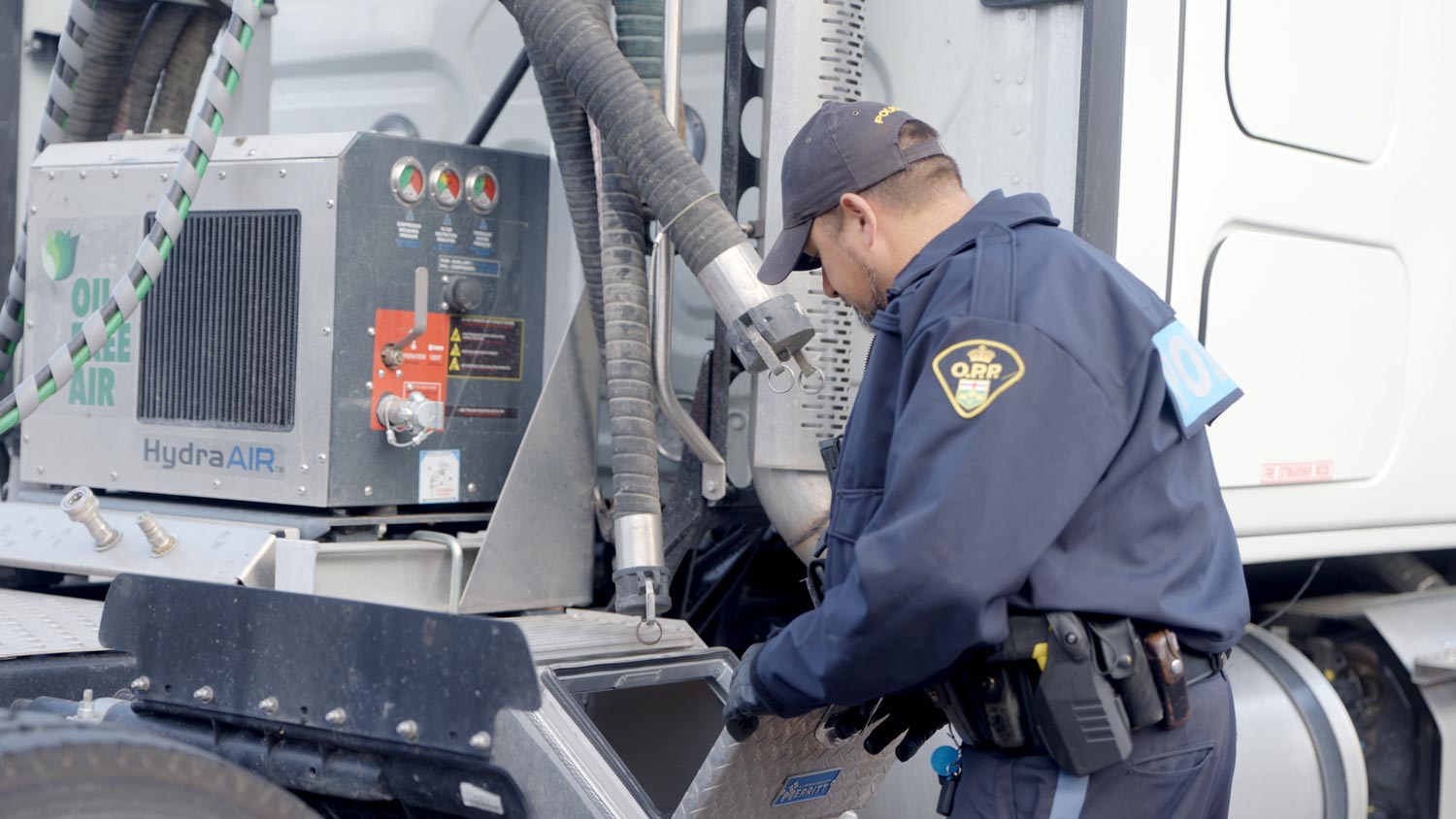
Community Street Crime Units are mission-driven teams embedded in detachments around the province targeting the illicit drug trade and street crime, including property crimes. Teams work to develop an in-depth understanding of the issues facing their local communities to devise appropriate strategies for reducing victimization.
*Includes restricted firearms, rifles, shotguns, other guns, prohibited devices, archery.
** Includes both Warrants (phone search warrants, tracking warrants, production orders, CDSA warrants, CC warrants etc.) and Warrant Services (residential/commercial search warrant entries)

| Regional Breakdown | Central | East | West | North East | North West | Total |
|---|---|---|---|---|---|---|
| Warrants and Warrant Services* | 848 | 531 | 551 | 103 | 61 | 2,094 |
| Persons Charged | 728 | 1,086 | 579 | 158 | 133 | 2,684 |
| Total Charges | 3,523 | 4,720 | 2,288 | 940 | 535 | 12,006 |
| Offence-Related Property Value | $4,876,060 | $2,714,590 + 14 vehicles |
$376,835 + 4 vehicles |
$170,210 | 4 vehicles | $7,950,650 |
| Currency seized (Canadian dollars) | $698,742 | $423,130 | $265,690 | $146,714 | $370,065 | $1,904,341 |
| Firearms/weapons | 909 | 306 | 335 | 122 | 51 | 1,723 |
| Amount of Seized Drugs Sch. I to IV, includes: | $11,524,265 | $3,153,653 | $16,378,443 | $4,567,497 | $844,747 | $36,468,605 |
| Cocaine | $10,462,370 | $2,065,501 | $14,611,452 | $4,128,084 | $347,311 | $31,614,718 |
| Methamphetamine | $410,423 | $144,767 | $1,033,607 | $224,022 | $336,056 | $2,148,876 |
| Fentanyl | $650,322 | $0 | $626,585 | $162,454 | $134,778 | $1,574,141 |
| Amount Seized under the Cannabis Act | $11,226,703 | $61,420,036 | $848,984 | $180 | $3,837 | $73,499,739 |
| Total | $22,750,968 | $64,573,688 | $17,227,427 | $4,567,677 | $848,583 | $109,968,344 |
Caveats in relation to the pricing structures:
| 2021 | 2022 | 2023 | 2024 | |
|---|---|---|---|---|
| Warrants and Warrant Services | 2,202 | 2,119 | 1,887 | 2,246 |
| Persons Charged | 2,980 | 3,005 | 3,092 | 2,793 |
| Total Charges | 13,430 | 12,479 | 13,714 | 12,885 |
| Offence-Related Property Value | $3,452,778 | $8,455,130 + 27 vehicles |
$12,386,371 + 26 vehicles |
$9,183,910 |
| Currency seized (Canadian dollars) | $2,366,959.95 | $2,589,535.45 | $1,646,618 | $1,551,161 |
| Firearms/weapons | 723 | 828 | 1,219 | 977 |
| Total Amount of Seized Drugs Sch. I to IV | $8,070,842.28 | $10,080,595.34 | $10,147,014 | $22,946,911 |
| Total Amount Seized under the Cannabis Act* | $233,006,376.10 | $22,385,219.29 | $10,206,181 | $12,709,480 |
*NOTE: The reduction in cannabis seizures is the result of the province-wide Cannabis Enforcement Intelligence Strategy, with a focus on illicit cannabis production, not being continued into 2022 as the focus transitioned to other public safety/health priorities including guns & gangs, opioid crisis, and fentanyl trafficking enforcement.
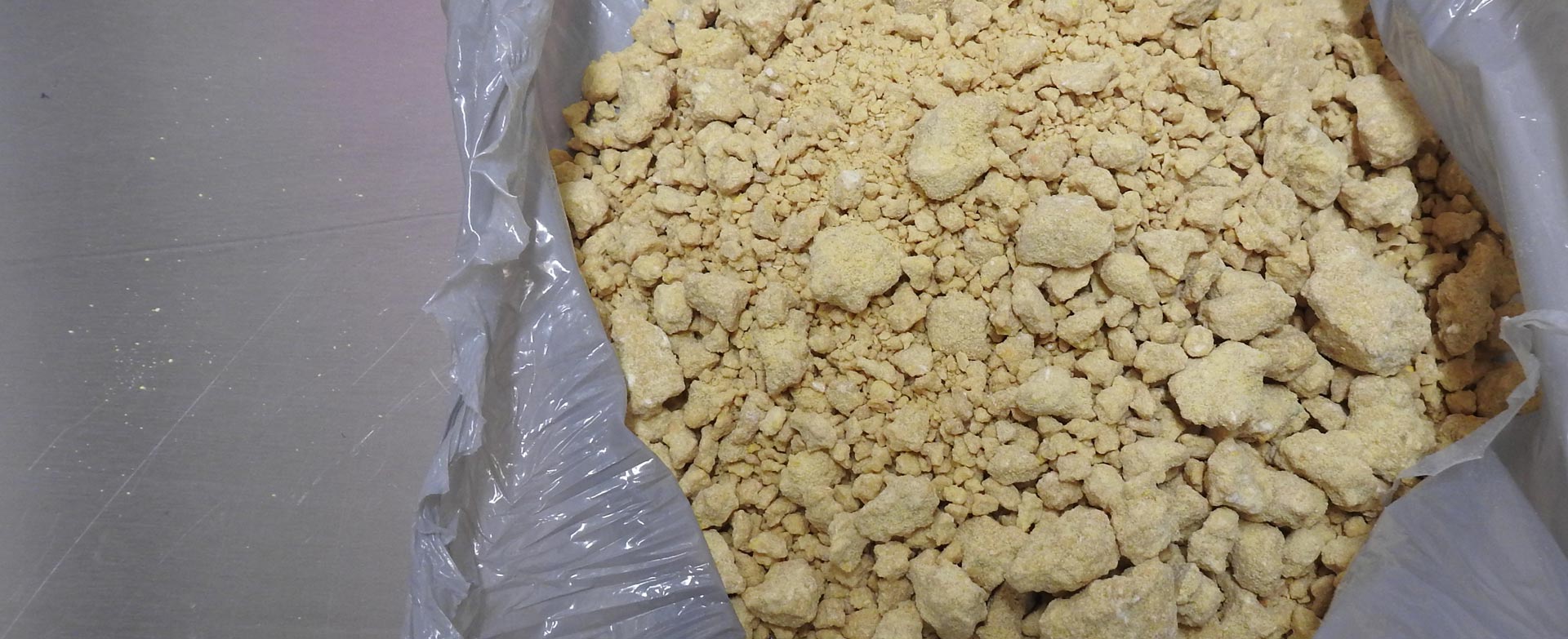
In 2025, OCEB-led projects, CSCU, and PGNG enforcement resulted in the seizure of drugs, estimated to be valued at
$278,434,000.
VIEW 2025 PROJECT STATSThe OPP Covert Internet Intelligence Unit (CIIU) under the Provincial Operations Intelligence Bureau (POIB) is an investigative team that oversees open-source operations and online undercover operations for evidence and intelligence gathering. CIIU members are trained to engage in investigative internet searches, account takeovers and undercover operations.
In 2024, the CIIU began investigating a dark web marketplace vendor allegedly trafficking drugs across Canada. Project Bionic aimed to dismantle this vendor and was led by the OPP Organized Crime Enforcement Bureau (OCEB). The investigation revealed that orders were placed through the marketplace, then packaged and shipped using various postal/shipping services to locations including Alberta, British Columbia, Manitoba, New Brunswick, Nunavut, Nova Scotia, Prince Edward Island, and Quebec. This investigation was a first of its kind for the OPP.
Once enough evidence was gathered by the investigative team, two individuals were arrested when they attended a postal service location in Ottawa on March 10, 2025. Officers seized 86 packages ready to be shipped. These packages contained more than three dozen different kinds of illegal drugs, including fentanyl, hydromorphone, methamphetamine, cocaine, MDMA, and a large quantity of other prescription medications. One of the individuals arrested was suspected to be the vendor trafficking on the dark web marketplace.
After these arrests, search warrants were executed at three homes and one vehicle in the Ottawa area. Police located more illegal drugs, as well as a firearm and ammunition, more than $90,000 in Canadian currency, and a rare 2018 Ferrari 488 Spider, which was reported stolen in York Region in October 2024. Not only did investigators recover the stolen vehicle valued at more than $400,000, they also located and seized fraudulent license plates, reprogrammable key fobs, and a diagnostic/programmer tool - items used by those involved in auto theft networks. The seizure of these items demonstrates that criminal networks are often involved in numerous illegal activities, and there is a correlation between drug trafficking and auto theft.
Fentanyl has been and will continue to be a national enforcement priority. Since last fall, there has been a spotlight on fentanyl, particularly relating to border security. In Ontario, fentanyl can be both domestically produced using precursor chemicals as well as imported from other source countries.
Project Golden was launched in July 2024. It was a London OPP OCEB intelligence-led initiative, with collaboration from the Norfolk County OPP Community Street Crime Unit (CSCU) to investigate drug trafficking activity across southwestern Ontario. In November 2024, OCEB, the Provincial Guns and Gangs Enforcement Team (PGNG) and Hamilton Police Service, with assistance from the Royal Canadian Mounted Police, assumed responsibility of the investigation, making it a multi-jurisdictional major project.
Investigators continued to follow intelligence over the next few months, observing kilogram levels of fentanyl, methamphetamine, and cocaine being purchased and distributed by this network. The drug trafficking network in Project Golden spanned throughout southwestern Ontario, from the City of Hamilton into smaller communities in West Region, including Oxford County, Haldimand County, and Norfolk County. Investigators continued to build their case and deploy undercover operators who continually made multi kilogram-level purchases of fentanyl and other drugs. The targets were wholesale suppliers. This investigation resulted in the seizure of 38 kilograms of fentanyl in May 2025 - this was the OPP’s largest seizure of fentanyl at that time.
In the fall of 2024, the OPP PGNG and the Windsor Police Service identified two primary members of a drug trafficking network – both with ties to known criminal organizations. On Thursday, September 25, 2025, search warrants were executed, and investigators seized 46 kilograms of fentanyl – surpassing the OPP’s previous record in Project Golden for largest fentanyl seizure.
COLLECTIVELY, THE OPP HAS SEIZED OVER 150 KILOGRAMS OF FENTANYL IN 2025, SHOWING OUR DEDICATION TO ENSURING PUBLIC SAFETY AND REMOVING THIS DEADLY DRUG FROM THE COMMUNITIES WE SERVE.
Twenty-one Canadian law enforcement agencies worked together to intensify their efforts to keep dangerous substances out of our communities. Over the course of five months, partners collaborated with a collective goal of disrupting illegal fentanyl production and distribution in Canada. This initiative, dubbed the National Fentanyl Sprint 2.0 (the Sprint 2.0) was coordinated and endorsed by the Canadian Integrated Response to Organized Crime (CIROC).
The Sprint 2.0 ran from May 20 to October 31, 2025, and mobilized law enforcement agencies across Canada to focus their enforcement efforts on fentanyl traffickers, targeting production labs, distribution networks, and financial enablers. The Sprint 2.0 emphasized the importance of financial investigations, recognizing that dismantling the economic infrastructure of organized crime is a strong deterrent and the key to long-term success.
CIROC agencies conducted bail compliance checks, tracked seizures and charges, as well as shared intelligence with the Canada Border Services Agency (CBSA), the Canada Revenue Agency (CRA), the Financial Transactions and Reports Analysis Centre of Canada (FINTRAC), and other partners abroad.
During the Sprint 2.0, law enforcement from more than 100 agencies across Canada reported 8,136 arrests and charges, and the seizure of large quantities of drugs and other commodities, including but not limited to:
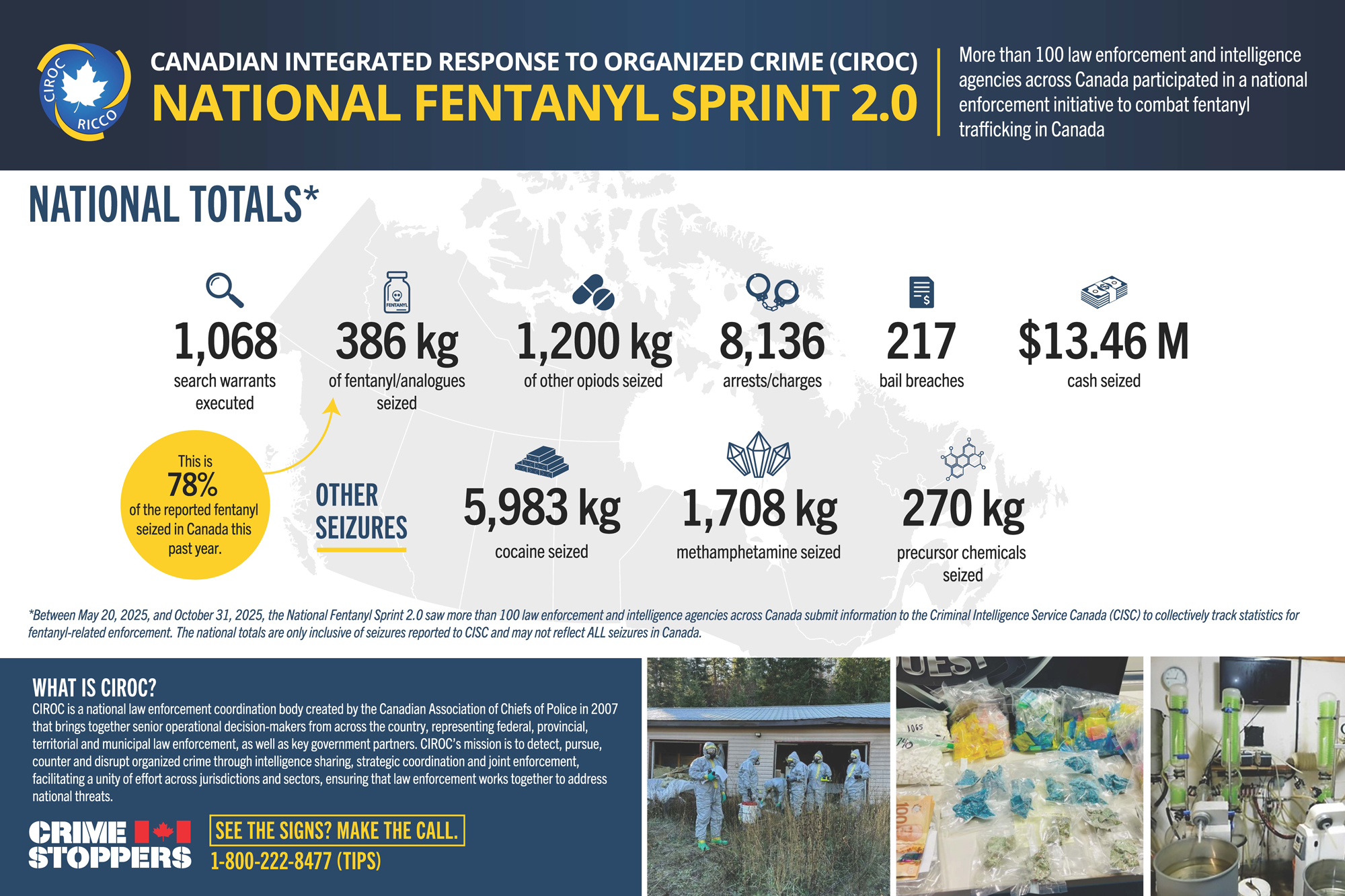
AS A MEMBER OF THE CIROC, THE OPP LED THE NATIONAL FENTANYL SPRINT 2.0 (MAY 20, 2025, TO OCTOBER 31, 2025).
BETWEEN MAY 20, 2025, AND OCTOBER 31, 2025, THE OPP REPORTED A TOTAL OF 150 KILOGRAMS OF FENTANYL, 81 KILOGRAMS OF COCAINE AND 28 KILOGRAMS OF METHAMPHETAMINE THROUGH OPP-LED INVESTIGATIONS.
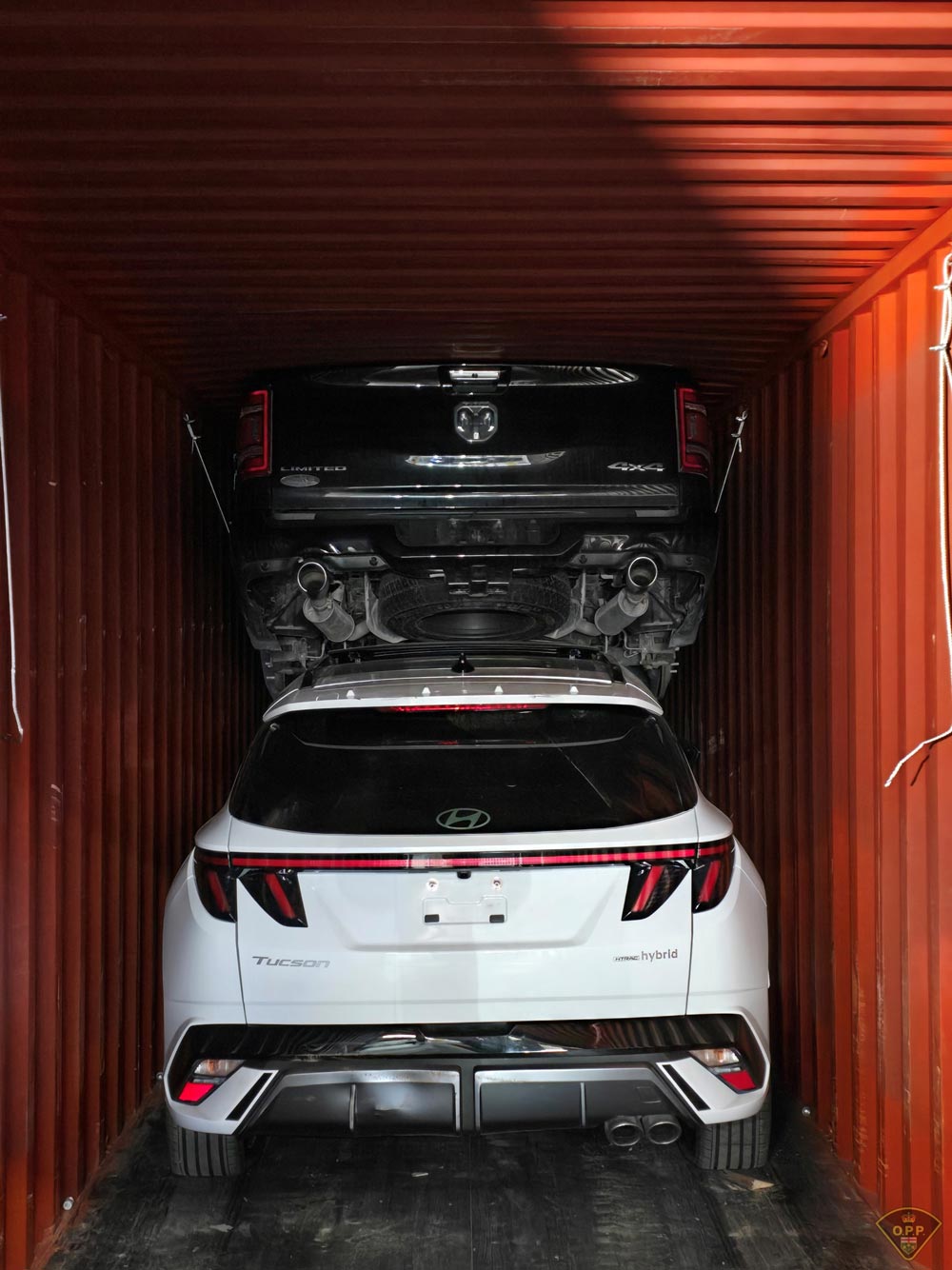
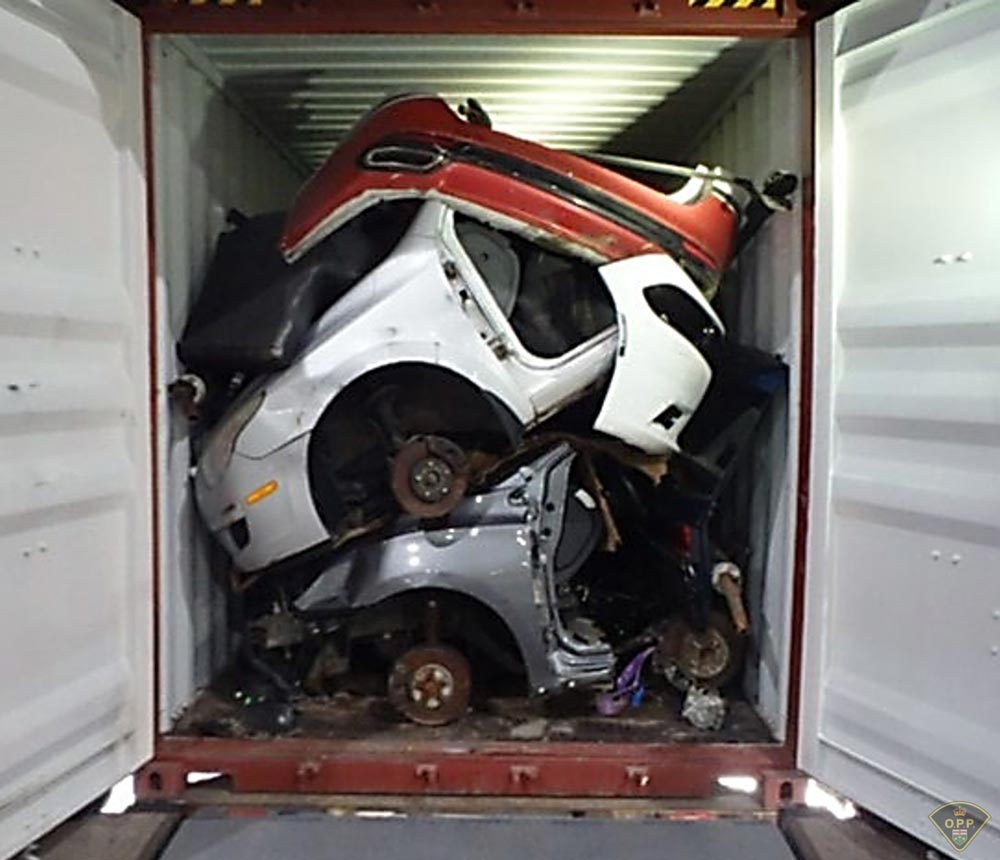
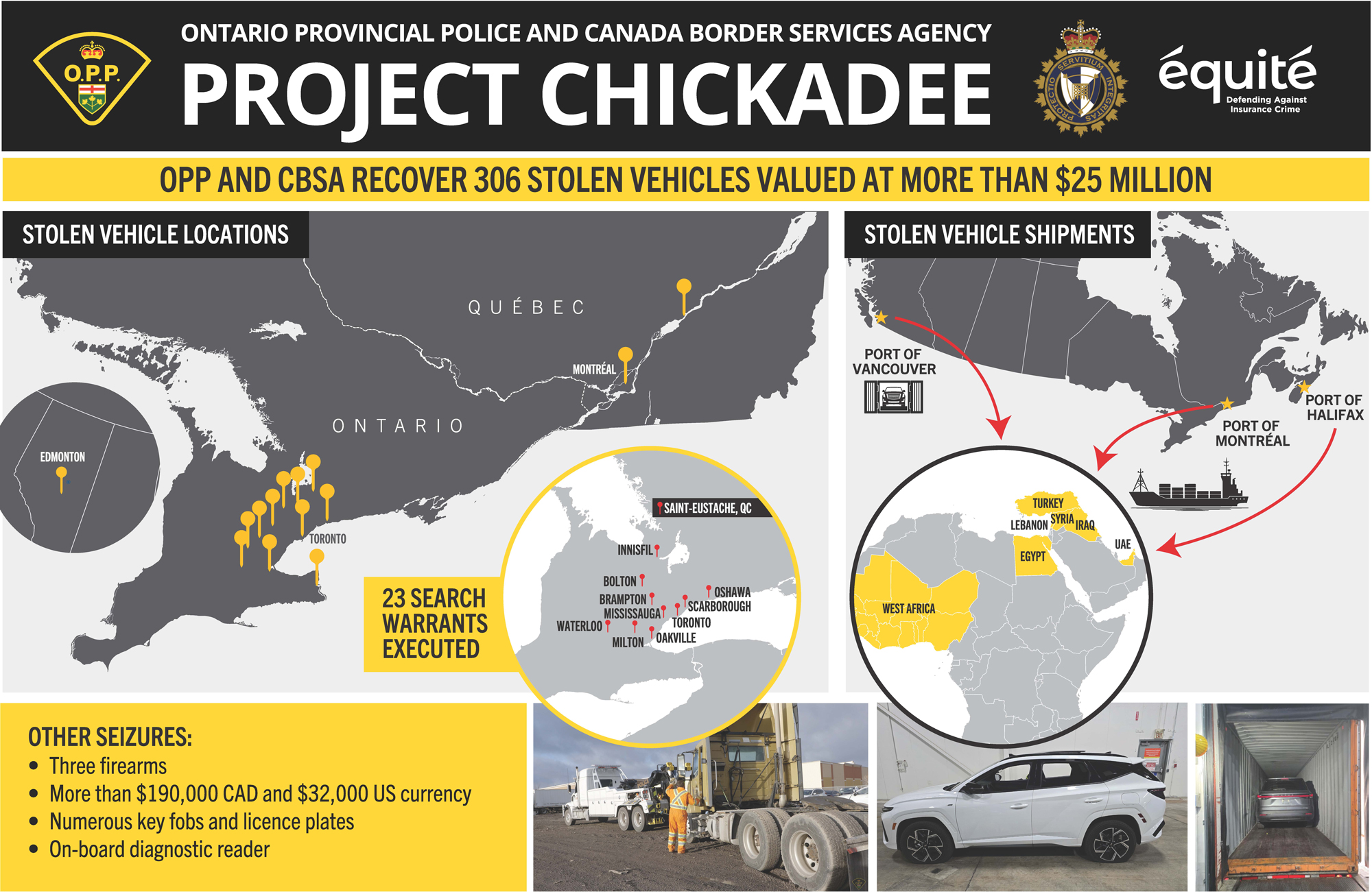
The OPP-led Provincial Auto Theft and Towing (PATT) Team and the Canada Border Services Agency (CBSA) dismantled a criminal organization involved in facilitating the movement of stolen vehicles from Canada to destinations overseas in November 2025. The accused include owners/operators of several registered businesses within the freight forwarding sector, as well as individuals allegedly involved in the theft of vehicles across Ontario. The criminal organization and the associated network span internationally. Project Chickadee began in August 2023 after members of the OPP-led PATT Team recovered four stolen vehicles in the Greater Toronto Area. Search warrants were executed in October and November 2025, resulting in 21 individuals arrested for 116 offences, including organized crime, auto theft, fraud, and money laundering charges. Officers recovered more than 306 stolen vehicles and seized three firearms, numerous key fobs, and licence plates.
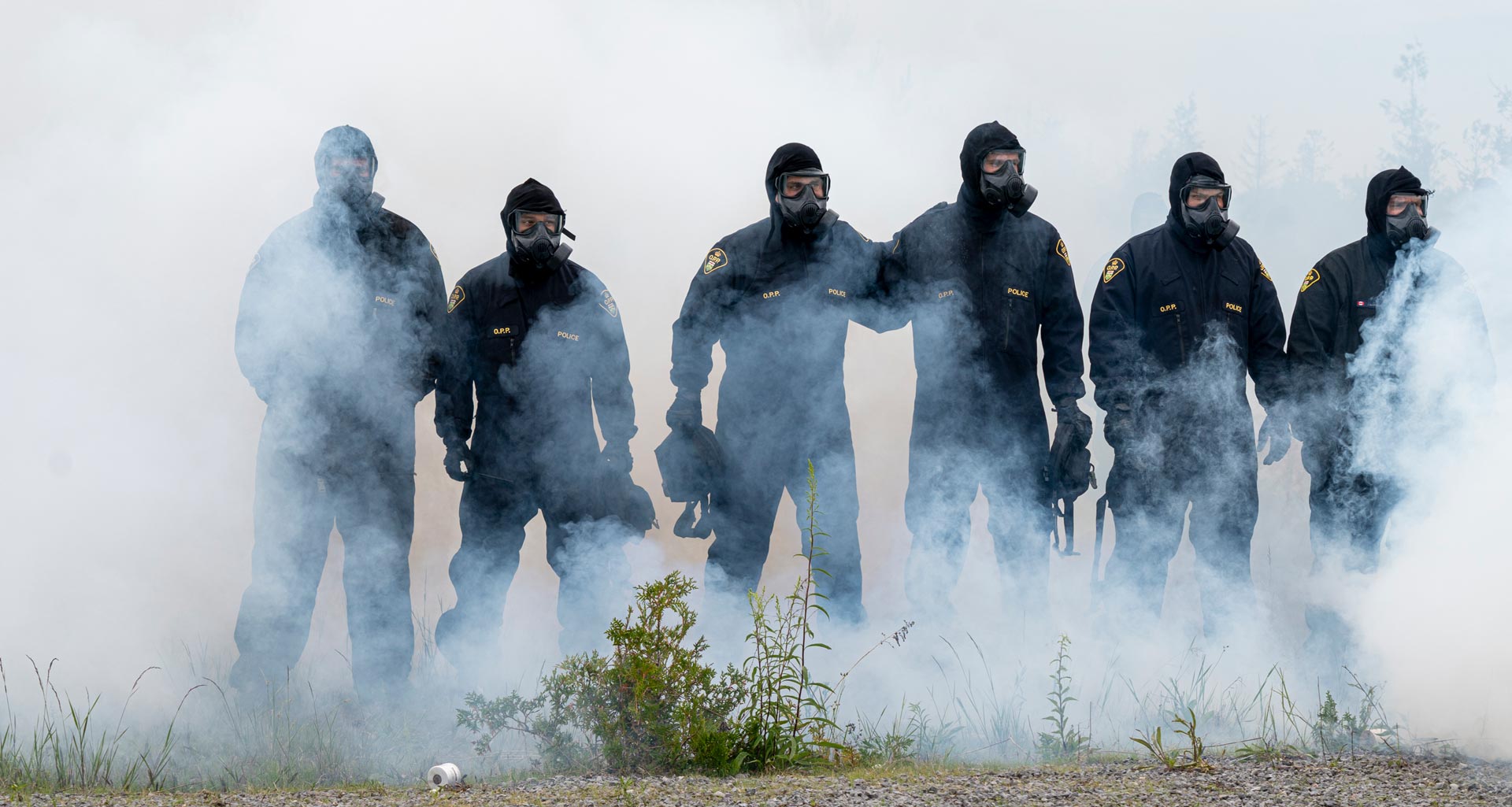
POU continues to play a growing role in maintaining public order and community safety across the province.
Between January 1 and December 31, 2025, POU was deployed to 20 events, 17 of those being in support of five other police services. These POU deployments added up to a total of 27 days.
The OPP invested in POU by increasing the size of the unit and facilitating training for OPP members and members of other police services. Field Support Bureau facilitated three public order courses in 2025, which resulted in 42 additional POU members from the OPP and other police services trained in the skills necessary to proactively manage crowds at all levels of order. Three POU Commanders also successfully completed training.
By the end of 2025, the POU program had a total of 380 trained OPP members, with plans to increase to over 400 by April 2026.
The POU is currently involved in preparations for the 2026 Federation Internationale De Football Association’s (FIFA) World Cup, which will include games in Toronto, Ontario.
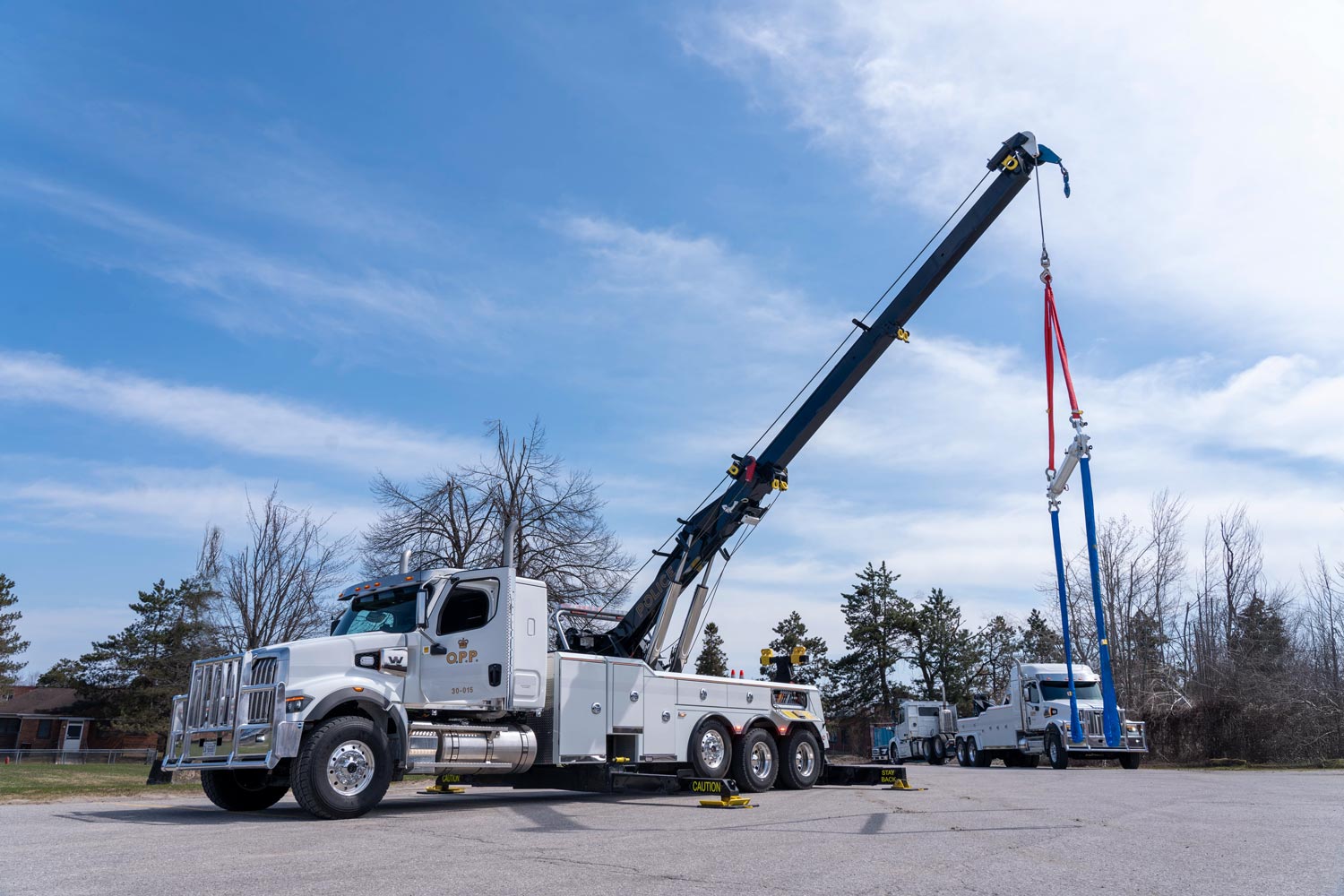
PSRVs have multiple potential roles in public order events to support the policing response:
PSRVs would be utilized in an operational response when normal towing industry providers are unable to support a response to a POU event.
The OPP has two types of PSRVs:
CENTURY 1140 40 TON ROTATOR
VULCAN V70 35 TON HEAVY TOW

Did You Know
That In 2025 The Opp Fixed Wing Aircrafts Completed 1461 Hours Of Flying To Support First Nations Across Ontario?
| # of Assets | ASSETS | # of Missions (Operational only) | Total Hours |
|---|---|---|---|
| 3 | Fixed Wing | 417 | 2265.9 |
| 1 | Fixed Wing (Cessna) | 40 | 361.6 |
| 2 | Rotary (helicopter) | 439 | 1186 |
| 110 | Remotely Piloted Aircraft Systems (RPAS) | 955 |

19 Calls For Service For Search And Rescue
32 Calls For Service Supporting The OPP Tactics and Rescue Unit
7 Incidents Providing Major Event Support
Calls for Service
439
Time Flown
1,186 hours
Found/Recovered/Rescued
108
Assist in Locating/Rescue
72
209 calls for service for search and rescue
25 calls for service supporting the OPP Tactics and Rescue Unit
67 calls for service to locate a wanted or escaped person
17 hours providing major event support
November 20, 2025, OPP took possession of a Pilatus PC-24 jet aircraft. This is in addition to the two existing Pilatus PC-12s and Cessna T206H owned and operated by the OPP. The OPP’s PC-24 is the first 10-seat commuter configuration in North America. The aircraft will primarily be used for personnel and prisoner transport in Ontario and across North America. It can cruise at 45,000 feet, can carry up to 10 passengers, offers the same cargo space as the PC-12s, and has a range of 1500-1900 nautical miles, adding a new level of speed and versatility to the OPP aircraft fleet. It will be housed near Orillia. On December 9, 2025, OPP was granted a new operating certificate under the Canadian Aircraft Regulations, allowing us to fly faster, higher and with more passengers than ever before.

On June 21, 2025, during the late evening hours, an extreme weather event struck the Samuel de Champlain Provincial Park area. This fast-moving and violent storm caused widespread downfall of trees, trapping multiple park visitors within their trailers, inflicting injuries, and causing significant structural and environmental damage throughout the park. As the storm progressed, floodwaters rose rapidly, creating dangerous and unstable conditions, and significantly impeding access by emergency responders. The combined threat of downed trees, heavy rainfall, flooding, and darkness posed a grave risk to both park occupants and first responders attempting to provide much needed relief. OPP Aviation Services played a critical support role throughout the day. The air assets enabled real-time aerial assessments of the scene and coordinated search efforts on the ground. This aerial support proved instrumental in both protecting responder safety and enhancing operational efficiency for ground teams navigating the chaotic landscape below.
Nearby, Kiosk Campground at Algonquin Provincial Park suffered multiple flash-flood washouts due to the same extreme weather, rendering the only access road, Highway 630, completely impassable. The washouts were so severe that reopening the highway was not expected for 7 to 10 days, stranding campers and their pets in Kiosk with no alternate exit. OPP Aviation Services collaborated to formulate and execute an aerial evacuation plan. Utilizing both OPP helicopters, 72 stranded campers and their pets were successfully extracted from Kiosk Campground and transported to safety — avoiding what could have become a prolonged and dangerous isolation event in a remote location.
In 2025, the RPAS program grew to 167 Advanced Licenced RPAS pilots who deploy 148 RPAS of various capabilities to support Emergency Response Team (ERT), Tactics and Rescue Unit (TRU), Repeat Offender Parole Enforcement (ROPE), Collision Reconstruction, Forensic Identification, and Corporate Communications.
In November 2025, ERT, TRU, and K9 responded to a report of a man suffering a mental health crisis in a wooded area. It was also reported to police that the man had unknown injuries from a self-inflicted gunshot wound, was armed with a rifle and handgun, and planned to confront the police as a lethal threat. ERT members deployed the RPAS M300 in infrared mode and located the man on a trail system nearby. The man’s location was shared with members on ground using geospatial software. RPAS provided overwatch and maintained visual of the man until he was safely apprehended.
In December 2025, Frontenac OPP requested RPAS to assist with locating individuals stranded on unsafe ice. When Fire and OPP arrived on scene, they could hear voices calling for help on the lake but were unable to locate them in the dark. ERT arrived on scene and deployed the M300 RPAS. Using the infrared camera, the officer was able to locate the individuals laying down on a large chunk of ice that had broken off and drifted into open water. The individuals were wet and it was -12 degrees Celsius. After more than three hours on the ice, the individuals were not emitting much heat and were over 500 meters from shore. ERT used the light on the RPAS to guide firefighters to individuals’ location, and they were rescued and transported to hospital with hypothermia.
Field Support Bureau provides a wide range of specialized services, supporting OPP detachments and policing partners across the province.
Field Support Bureau programs include Aviation Services, Canine Unit, Crisis Negotiation, Emergency Management, Emergency Response Team (ERT), Explosives Disposal Unit (EDU), Major Incident Command, Tactical Emergency Medical Services, Tactics and Rescue Unit (TRU), Urban Search and Rescue, and Underwater Search and Recovery Unit. These program areas have countless successes, big and small, every year. Below you will find some examples of success stories from 2025.
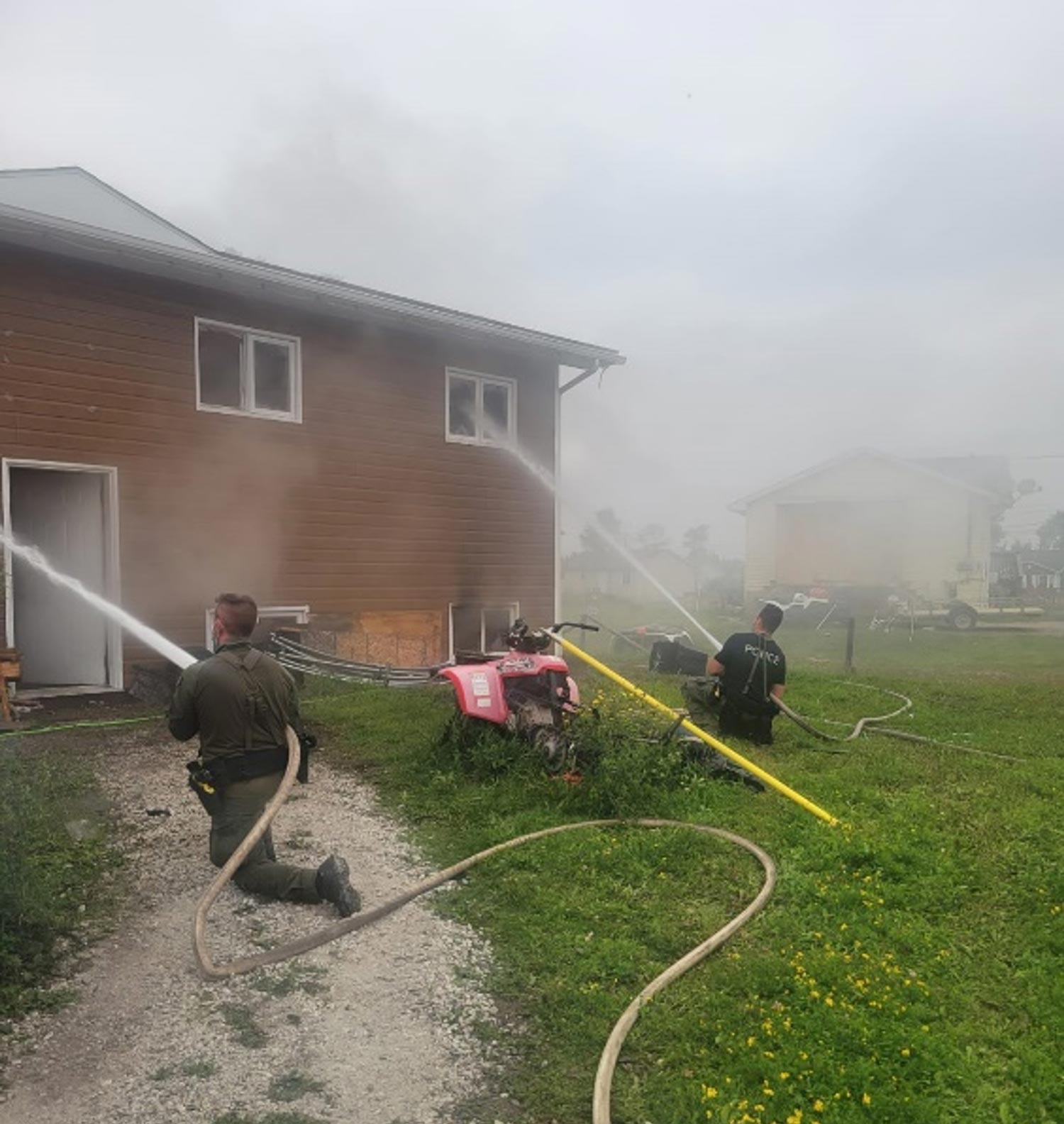
On August 3, 2025, while engaged in a missing person search on Constance Lake First Nation, ERT and Canine Unit members were unexpectedly called to action in a separate life-threatening emergency – a structure fire.
A Canine member entered the heavy smoke at the entrance to locate and pull an occupant of the residence to safety. The victim, unconscious due to severe smoke inhalation, was treated by emergency medical services and transported to hospital.
Meanwhile, officers attempted entry after receiving unconfirmed reports of a second individual inside. Confronted with intense heat and smoke conditions that made further entry unsafe, they were forced to withdraw. Recognizing the urgent threat posed by the fire, the officers quickly adapted from life-saving to fire suppression. With confirmation that local volunteer fire personnel would not be available for an extended period of time, the officers assumed responsibility for containing the blaze.
Utilizing every piece of fire suppression equipment at their disposal, officers fought the fire for several hours. Their determination and teamwork ultimately resulted in extinguishing the fire and preventing its spread to nearby homes and community structures.
It was later confirmed that no other individuals were inside the residence; however, the combined efforts of these officers not only saved a person’s life, but also safeguarded the community from further loss of life and property.
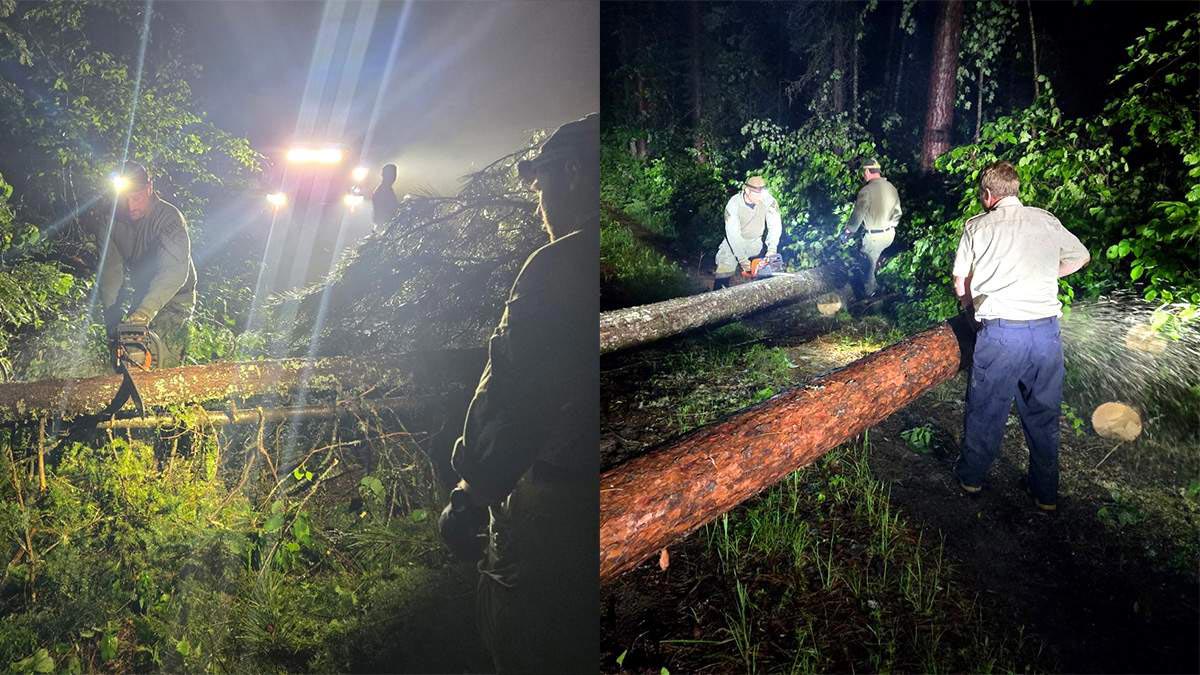
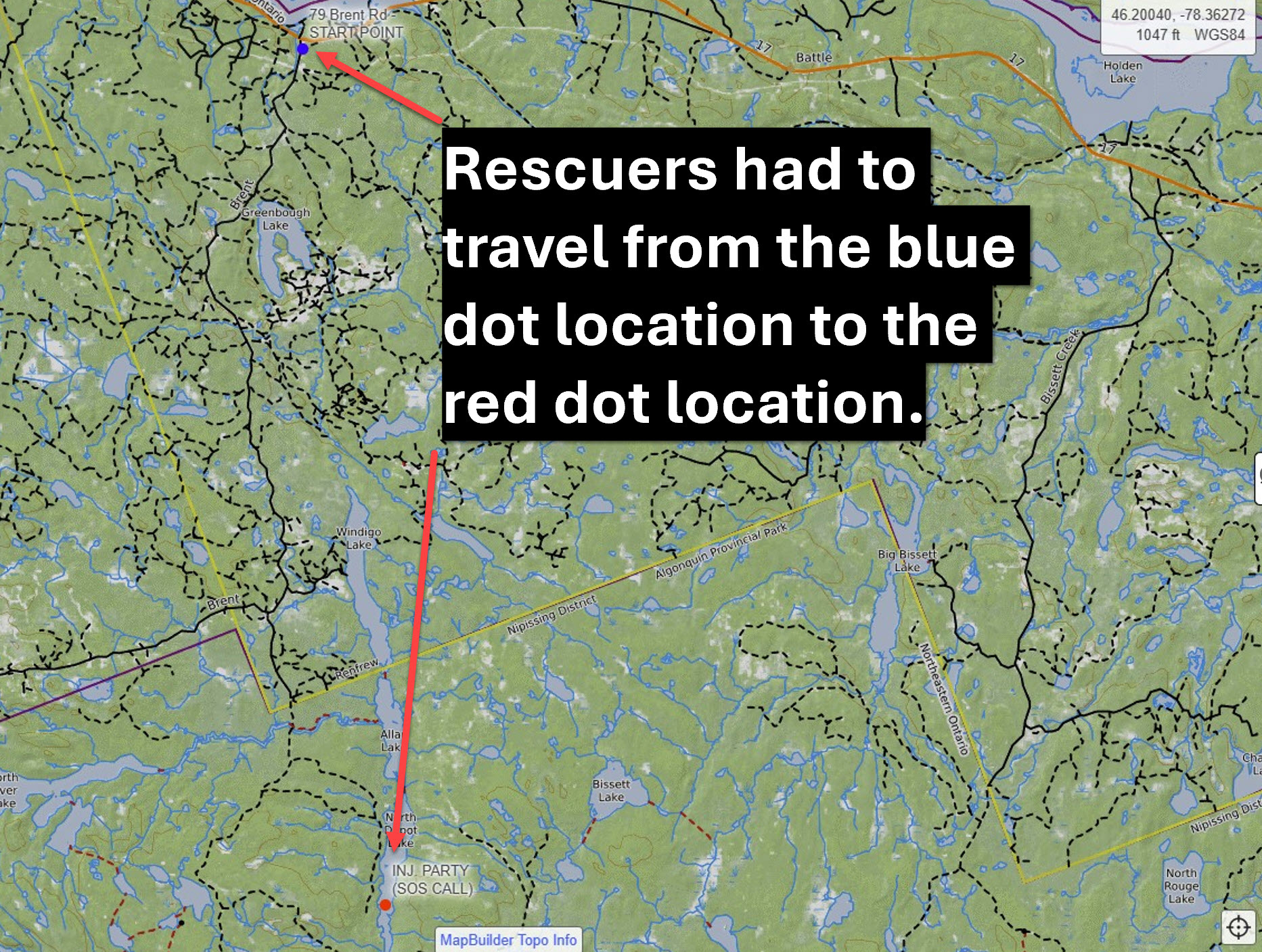
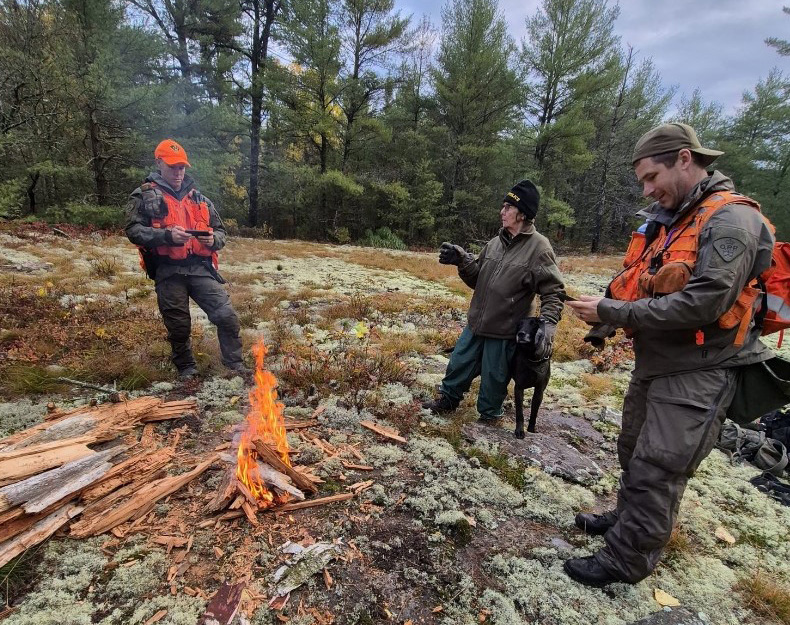
A mother and young son had been camping in an isolated area of Algonquin Provincial Park when major thunderstorms with strong winds rolled in. A tree fell on their tent, leaving the 13-year-old son with very serious injuries and the two of them with no way to get help. The mother triggered an “SOS” on a device that transmitted their coordinates to rescuers. Upper Ottawa Valley OPP Detachment members, OPP ERT members, Algonquin Park Rangers, and the Renfrew County Paramedics Sierra Team responded to the call.
An aerial rescue was not possible due to the weather, so responders had to make the harrowing trek through roads and trails filled with downed trees, debris, and dense brush. Responders had to use hand saws to clear the way until chainsaws could arrive. They then launched a canoe and paddled to the stranded mother and son and began immediate first aid.
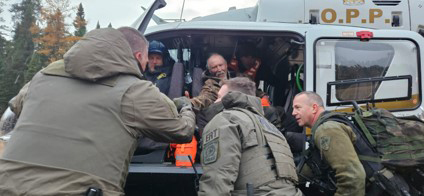
The next morning, a Ministry of Natural Resources float plane was able to land on a nearby lake and transport the mother and son to the hospital, where the youth underwent treatment for his injuries, charting a path to recovery.
This rescue was successful not only because of the hard work of those on the ground, but also due to the essential support of the OPP Communication Centres and Provincial Operations Centre, the Algonquin Park Duty Officer, the Joint Rescue Coordination Centre, and the Ministry of Natural Resources Aviation team. Additionally, Deep River Fire Department provided the much-needed chain saws. The seamless teamwork of this successful rescue was a shining example of the resilience and training of all involved.
On October 20, 2025, at 1:10AM, a 9-1-1 call reported a 75-year-old woman missing from a hunting camp after wandering away. She was last seen on October 19 at approximately 12:00PM. The caller had briefly spoken with her via cellphone, during which she appeared disoriented and stated she would turn off her phone to conserve battery and rest. The woman did not have means to make a fire, was not dressed for the weather, and had no food. West Parry Sound Detachment ERT was engaged, including a search and rescue canine, and located the woman. OPP Aviation was utilized for extraction.
In October 2025, an 88-year-old man was reported missing while hunting. He was last seen at approximately 1:00PM the previous day. There were concerns as his all-terrain vehicle (ATV) was located on a trail and he was not likely to have food or water with him. Kirkland Lake Detachment ERT members were dispatched, and with Canine Unit and Aviation Services support, were able to locate and extract the man.
From April 14 to June 20, 2025, the OPP Canine Unit ran a Canine Search and Rescue Course. Four canine teams completed the course and were available to their regions just in time for the busy summer months.
During the 10-week course, candidates, including new search and rescue dog Flora, took time out for a kindergarten tour at OPP General Headquarters on June 3.
In 2025, Emergency Management Unit led several training and preparedness exercises throughout the province and engaged with provincial and federal partners to strengthen emergency management planning. This included reviewing and revising critical policies, procedures, and plans. An audit of the OPP Continuity of Operations Program (COOP) was also completed in 2025. A new COOP Dashboard, developed by FSB and Communications and Technology Services Bureau (CTSB) in June 2025, provides designated members with real-time, hourly updates on the status of all organizational COOPs, enabling effective compliance monitoring.
Emergency Management Unit supported several detachments and units during emergency incidents in 2025, including the March 2025 ice storm, wildfire season, and evidence searches.
Urban Search and Rescue (USAR), Chemical, Biological, Radiological, Nuclear and Explosives (CBRNE), Response Team (UCRT) was requested to support the 2025 G7 Leaders Summit held in Kananaskis, AB from June 15 to 17, 2025. The Royal Canadian Mounted Police (RCMP) was the lead agency for the Integrated Safety and Security Group (ISSG). Additional members of the ISSG included the Canadian Armed Forces, the Calgary Police Service, the Alberta Sheriffs Branch, and the Alberta Forestry and Parks’ Conservation Officers. At the request of the RCMP, nine members of the OPP’s UCRT were deployed to Kananaskis, AB, and formed part of the CBRNE Response. UCRT was requested and prepared to provide initial decontamination support to the RCMP National Response Team and Emergency Response Team (ERT), ISSG members, delegates, and civilians at the G7 Summit.
In 2025, nine TRU members received a Commissioner’s Citation for Bravery for their involvement in executing a high-risk warrant. These members made the sound and timely decision to transition from an offensive to a defensive posture after attempting to enter a residence and being met with shots fired from within. All officers demonstrated exceptional bravery, self-control, and firearms discipline with the utmost concern for the preservation of life. They carried out a seamless and calm transition to the alternate plan, while confirming no casualties were sustained, and were ultimately able to apprehend the suspect. Their performance together demonstrated the efficacy of their core training and the value of sound collaborative practices. The accused was convicted in March 2025 of attempted murder on the officers and received a 10-year sentence.
In 2025, USRU EDU members were deployed via OPP Aviation to North West Region in response to a report of possible military munitions discovered by a recreational scuba diver. Upon arrival, USRU EDU personnel conducted an in-water assessment and safely recovered the suspected ordnance. Although the items were ultimately determined not to be explosive, the OPP was able to mobilize highly trained EDU technicians to perform underwater operations and ensure public safety. This level of capability is rare among Canadian law enforcement agencies, and it reinforces the OPP’s leadership in underwater explosive investigation.
Did you know that the OPP is the only agency in Ontario with an in-water EDU capability?
Other services rely on assistance from the OPP to respond to any in-water EDU operation. The OPP maintains a robust underwater EDU program, staffed by highly experienced divers who are specifically trained in explosive disposal operations.
In 2025, the OPP and York Regional Police hosted an international kidnap and extortion training program for experienced crisis negotiators. Eight new instructors were certified, and 16 students were trained in advanced response strategies for kidnap and extortion incidents. The course brought together representatives from 11 police services in Ontario, highlighting the province-wide commitment to enhancing crisis response capabilities.
Beginning March 28, 2025, many areas in Central Region were impacted by devastating ice storms, with approximately 400,000 people losing power for several days. As a result, 15 areas declared a state of emergency, including Peterborough, Orillia, Muskoka, and Haldimand County. To support those communities, OPP stood up its Emergency Operations Centre (EOC) in Central Region.
The EOC remained operational for more than a week after the initial ice storm. During this significant weather event, OPP members remained dedicated to their duties and provided critical support to the communities they serve. Despite facing challenging conditions such as the lack of heat, absence of running water, and flooded basements, as well as the physical and emotional toll of the weather, our members exemplified the OPP's values as they supported hundreds of thousands of community members experiencing loss and navigating uncertainty, while adapting to ever-changing conditions.
As part of an integrated response, OPP members demonstrated to our emergency services partners and members of the public that they can count on the OPP to do what is needed to help keep our communities safe.
In June 2025, a three-year old girl from Montreal was reported missing. A multi-jurisdictional search was launched that included several OPP detachments, as well as OPP Aviation Services and Canine Unit. Searchers combed fields and searched buildings for three days looking for the toddler. Sightings of the child were reported in Ontario, and an OPP drone was used to locate the girl safe and sound in East Region.
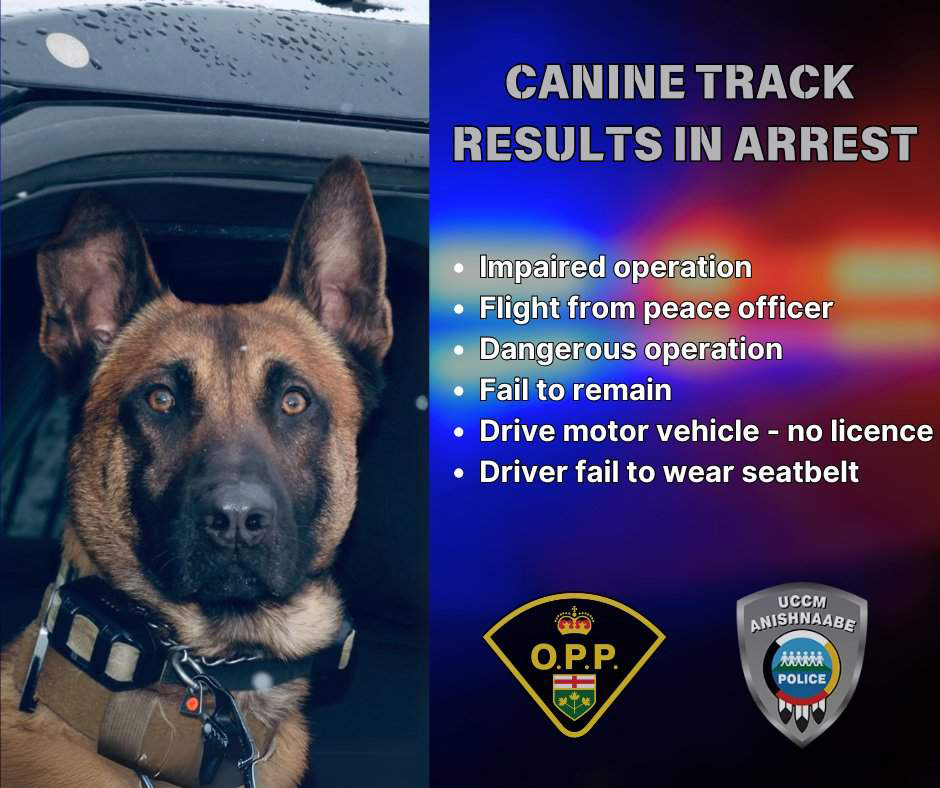
On February 28, 2025, Manitoulin OPP Detachment received a call for an unwanted person at a residence in Espanola. As officers arrived on scene, they observed a vehicle leaving the address at a high rate of speed and the vehicle failed to stop for police. Shortly after, officers came across a single vehicle collision on Highway 6 – the same vehicle they had observed earlier, was now observed in the ditch. The driver had fled on foot. With assistance from UCCM Anishnaabe Police, including their new Canine Unit and a remotely piloted aircraft system operator, and the OPP Emergency Response Team (ERT), the driver was located and arrested. The driver was transported to hospital with non-life-threatening injuries.
At the end of 2024, the OPP launched the Provincial Source Development Unit (PSDU) as a pilot initiative to transform intelligence capabilities through innovation, agility, and strategic foresight. Throughout 2025, the PSDU addressed a critical gap in human intelligence (HUMINT) by piloting a dedicated, full-time unit, focused on structured source development and intelligence support. Its mission is to strengthen confidential informant (CI) management practices to deliver actionable intelligence and support major investigations aligned with provincial and national priorities. This initiative represents a first-of-its-kind capability within the OPP, elevating HUMINT as a core program area in contemporary policing and setting a new standard for intelligence-led operations.
HUMINT: Human intelligence (HUMINT) refers to intelligence derived from the collection and analysis of information obtained from human sources. It involves gathering insights through interpersonal contact and cultivating confidential informants (CIs) to investigate and disrupt criminal activities.
The PSDU directly addresses province-wide and cross-jurisdictional threats, including transnational organized crime, complex fraud and financial crime, weapons and narcotics trafficking, Ideologically Motivated Violent Extremism (IMVE), terrorism, border security, and corruption. By leveraging an analytically driven HUMINT model, PSDU proactively supports intelligence collection and strategic planning, enhancing source development and operational effectiveness in an increasingly complex threat environment. The unit also fosters inter-unit cooperation and strategic partnerships across municipal, provincial, and federal levels.
PSDU acts as a force multiplier for intelligence-led policing, supporting multiple OPP units, including specialized investigative and intelligence teams across the organization, and fulfilled intelligence requirements tied to Operation 3D, CIROC national priorities, and high-risk investigations. Its centralized approach ensures investigative teams remain focused on core mandates while trained specialists manage sensitive source development tasks, enhancing safety and operational integrity.
The pilot phase successfully transformed a strategic concept into a fully operational intelligence capability, delivering measurable results and supporting multiple high-risk investigations across provincial priorities. During its pilot phase, the unit provided subject matter expertise, operational support for major projects, and contributed to national initiatives, demonstrating its critical value in the OPP’s intelligence framework.
Building on this success, the PSDU was permanently established at the end of 2025 as a fully staffed team of 10 members. This structure ensures agility, multi-file capacity, and integrated intelligence functions, solidifying PSDU’s role as a key enabler of provincial and national security objectives. Despite operating with limited resources during the pilot, the unit proved its efficiency, strategic relevance, and operational impact, which directly drove its transition to a permanent program.
The PSDU is more than a tactical resource; it is a strategic intelligence capability that enables the unit to:
The permanent establishment of the PSDU marks a transformational milestone for the OPP and Ontario policing. This achievement not only closes a critical intelligence gap, but also creates a sustainable, high-performing unit that strengthens operational resilience, positioning the organization as a national leader in HUMINT innovation. By institutionalizing structured workflows, building specialized expertise, and embedding strategic foresight, PSDU sets a new benchmark for intelligence-led policing. Continued investment will ensure the OPP remains agile, proactive, and prepared to counter the most complex criminal threats of today and tomorrow.
Of the files assessed in 2025, nearly half resulted in successful recruitment of CIs or active engagement, demonstrating the unit’s effectiveness in advancing HUMINT capabilities.
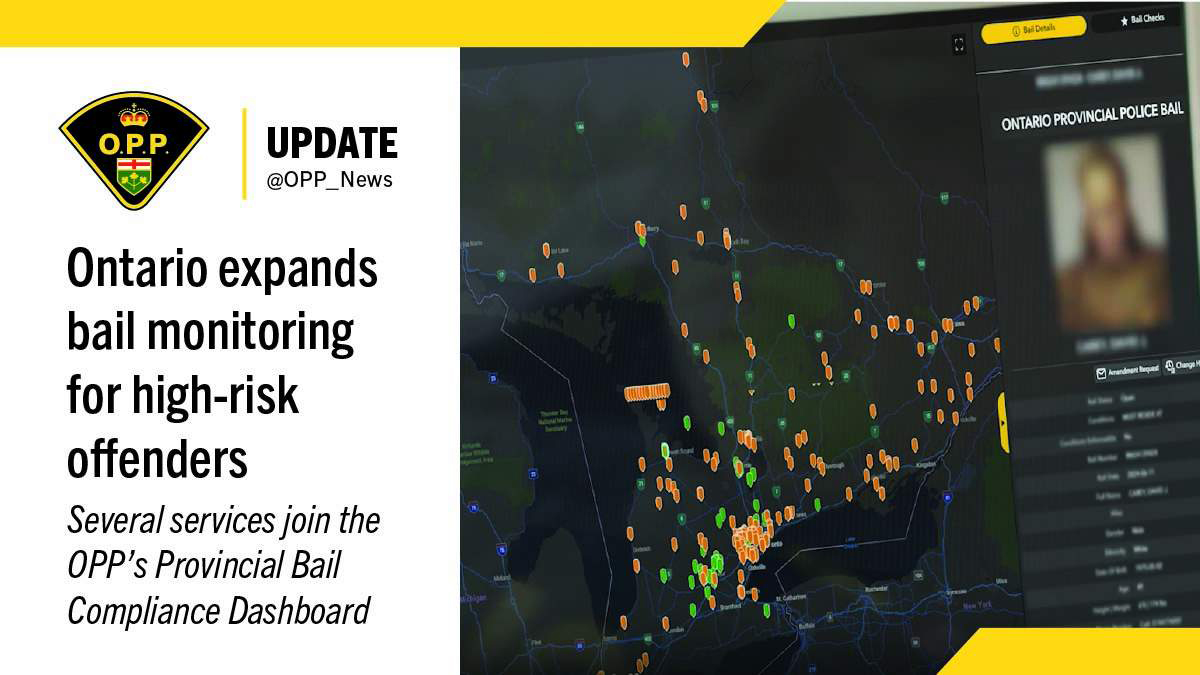
Since the launch of the Provincial Bail Compliance Dashboard (PBCD) in January 2025, 27 police services have been onboarded, collectively representing over 80% of all frontline officers in Ontario:
The OPP is actively working with all Ontario police services to onboard their data onto the dashboard. With each new service onboarded, the tool becomes more powerful and connected, creating a more unified approach to tracking bail compliance across the province. Learn more about how the PBCD helps enhance officer and public safety at opp.ca/PBCD.
In August 2025, the PBCD received a significant upgrade as part of Ontario’s continued commitment to strengthening bail compliance and public safety. This upgrade was completed based on feedback from officers in the field to streamline the user experience, increasing the operational value of the dashboard. The enhancements included additional filtering and flagging capabilities.
The PBCD is a situational awareness and investigative tool that provides cross-jurisdictional and inter-agency data to assist officers with managing individuals on bail in the community. The PBCD provides officers with map-based and near real-time information related to individuals on bail for firearms-related offences, integrating data from police services across Ontario.
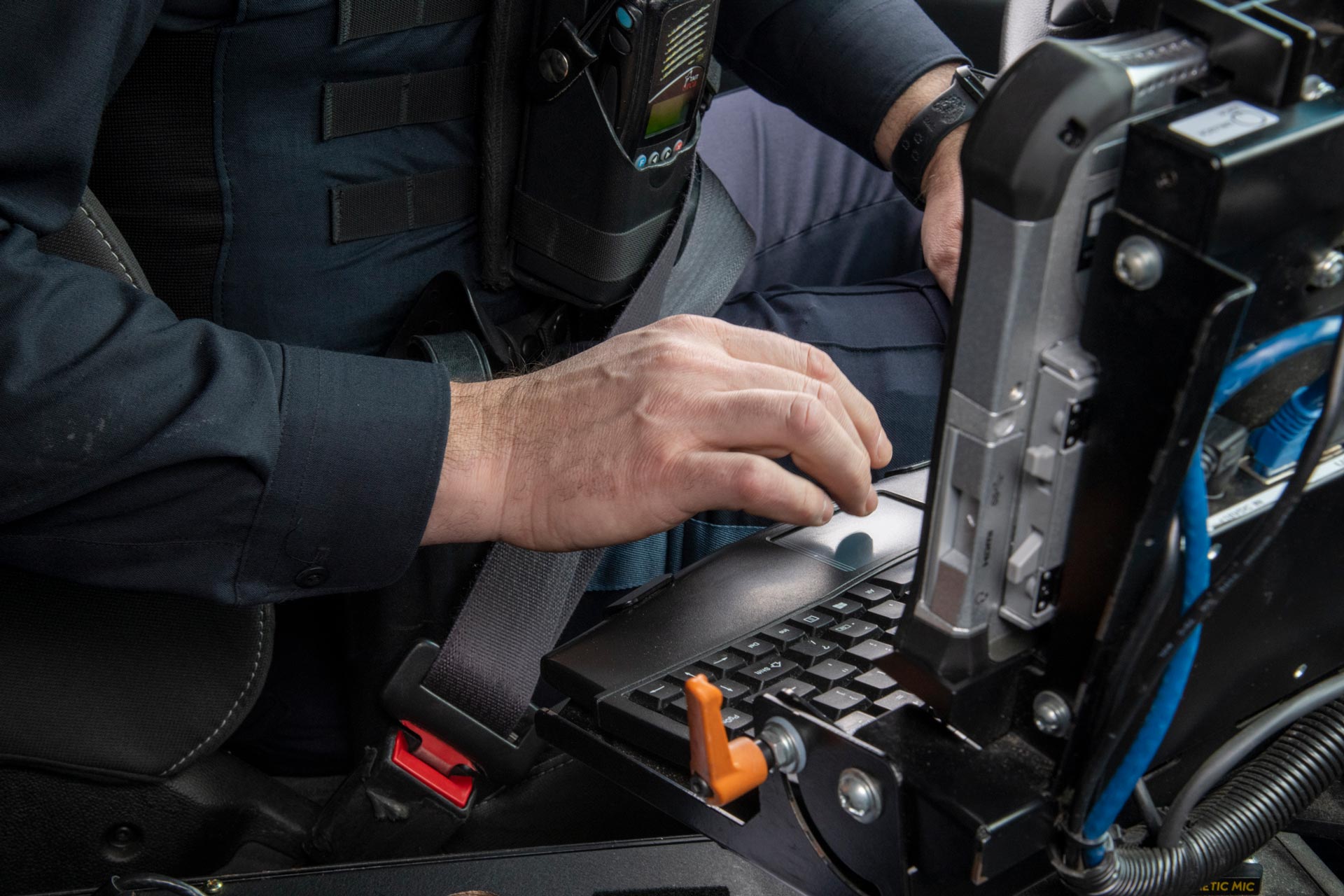
The Communications and Technology Services Bureau’s (CTSB) In-Car Camera (ICC)/Automated Licence Plate Recognition (ALPR) program is continuing to deliver operational and public safety benefits for frontline policing in Ontario. As of 2025, the OPP continued to have the largest deployment of the Axon ‘Fleet 3’ ICC/ALPR platform in the world, with 2,003 active units (including those of OPP-administered First Nations policing partners).
The ALPR is utilized to support both traffic and crime enforcement, with officers scanning an average of 1.2 million licence plates every day. This technology enables officers to quickly identify stolen vehicles, as well as vehicles linked to other criminal activity, Amber Alerts, wanted persons, suspended drivers, and expired vehicle registrations. The OPP also supports ALPR processes for all police agencies in Ontario, as well as for agencies from Manitoba and Quebec. By sharing the OPP’s data feed, the OPP is removing barriers and enhancing public safety.
In 2025, the Body-Worn Cameras (BWCs) rollout continued with the goal of equipping all frontline OPP members. The target completion date for provincial deployment is early 2026, by which time the OPP will have approximately 5,971 BWCs in use. BWC technology promotes officer safety, public safety, and police transparency, by providing an objective video and audio record of police interactions with the public.
The Recorded Patrol Program aims to contribute to positive public safety outcomes, such as less officer time in court, faster identification of stolen vehicles and suspended drivers, and faster location of missing persons.
The OPP uses the cloud-based provincial Digital Evidence Management System (DEMS) made available by the Ministry of the Solicitor General in 2021 for use by Ontario’s justice sector partners (including the OPP, Corrections, and the Ministry of the Attorney General). The DEMS is used to securely store and manage digital evidence generated by technologies including BWCs and ICCs. In 2025, the OPP had 6,190 DEM users.
Leveraging technology is essential in gathering and providing the best possible evidence for law enforcement and legal proceedings.
The Technology Disclosure Unit (TDU) supports this by processing 911 audio, body worn camera video, and in-car camera video requests. TDU is responsible for providing data disclosure requests for the purpose of:
In 2025, TDU completed 71,501 total tasks related to disclosure. These tasks involved requests for disclosure from multiple sources, including 82,417 requests for Body Worn Camera footage, 55,182 requests for In-Car Camera video, and 22,799 requests for 9-1-1 audio. Requests for Body Worn Camera footage processing increased by more than 160% over 2024.
| ONLINE REPORTING | 2023 | 2024 | 2025 |
|---|---|---|---|
| Mischief to Property Under $5000 | 244 | 276 | 265 |
| Mischief to Vehicle Under $5000 | 217 | 154 | 196 |
| Driving Complaint | 1,000 | 1,575 | 2,039 |
| Lost Property Under $5000 | 701 | 681 | 831 |
| Theft from Vehicle Under $5000 | 321 | 217 | 283 |
| Theft Under $5000 | 495 | 487 | 571 |
| Mischief to Property Over $5000* | 37 | 6 | -- |
| Mischief to Vehicle Over $5000* | 25 | 12 | -- |
| Lost Property Over $5000* | 53 | 25 | -- |
| Theft from Vehicle Over $5000* | 19 | 3 | -- |
| Theft Over $5000* | 50 | 8 | -- |
| Theft of Gasoline | 2,636 | 2,548 | 2,580 |
| Stolen License Plate | 0 | 0 | 36 |
| TOTAL OCCURRENCES | 5,798 | 5,992 | 6,801 |
*Note: As of 2024, these event types no longer qualify for online reporting.
Sources: Desk Officer Reporting System. Data Retrieved November 18, 2025.
Rubicon Portal. Data Retrieved January 08, 2026.

O. Reg. 400/23: Collection of Identifying Information in Certain Circumstances - Prohibition and Duties stipulates that police services must prepare and publish a report annually that provides details about any collections of identifying information in certain circumstances that have occurred that year.
In 2025, the OPP had zero (0) collections of identifying information in certain circumstances. The OPP also had zero (0) in 2024 and 2023.
Data Source: Niche Records Management System (RMS), January 2026
Frontline uniform members working directly with the public face an increased risk of being a victim of an assault while on duty. While uniform members have been trained in techniques that aim to lessen the likelihood of being assaulted, there is no 100% accurate way to predict the way individuals will behave in all situations.
In 2022, an OPP working group reviewed trends related to “Assault Peace Officer” occurrences across the OPP. In response, new policies related to arrest and detention and prisoner care and control were introduced in 2024. Analysis was completed in 2025 to assess the impact of these policies.
This analysis focused on Assault Peace Officer occurrences from January 1, 2023 to December 31, 2024, with comparison data dating back to 2012. Assault Peace Officer occurrences increased in both 2023 and 2024, resulting in the highest number of occurrences over the 13-year period with 645 and 670 respectively. Despite the increase in total occurrences, there was a decrease in the percentage of Assault Peace Officer occurrences that took place at detachments. Additionally, there was a significant increase in the number of occurrences where a designated investigator was assigned, supporting a victim-centred approach. These two changes may be related to new policies dictating procedures at detachments and the assigning of an investigator. Charges continue to be withdrawn at about the same rate as they result in a conviction.
Improving data quality continues to be a priority for the working group to ensure accurate and timely data can be used to fully understand the scope of the issue, support solutions, and track progress.
Frontline uniform members, specialty unit members and other OPP members regularly put the safety of the public ahead of their own. By reviewing instances of assault, injury, and other impacts to the safety and well-being of its members, the OPP aims to make Ontario safer for all.
Did you know that in 2025, approximately 0.09% of all incidents requiring a police response resulted in use of force by the OPP? This represents a decrease from 2024 and 2023 (0.14% of incidents in both years).
Note: Incidents requiring a police response may include some incidents where an officer did not need to be physically present and provided service via the phone or email. Incidents involving the humane dispatch of an animal are calculated separately.
Use of force reporting is dictated by O. Reg. 391/23: Use of Force and Weapons and refers to incidents when a police officer draws a handgun in the presence of a member of the public; points a firearm at a person; discharges a firearm; uses a weapon on another person; draws and displays a conducted energy weapon to a person with the intention of achieving compliance; points a conducted energy weapon at a person; discharges a conducted energy weapon; or uses force on another person, including through the use of a horse or a dog, that results in an injury requiring the services of a physician, nurse or paramedic and the member is aware that the injury required such services before the member goes off-duty.
For more information click here: opp.ca/useofforce.